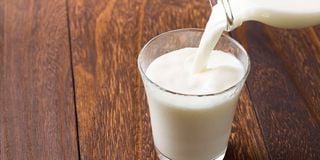
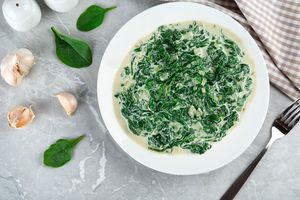
For many Kenyans, kales (sukuma wiki ), amaranth (terere ), jute mallow (mrenda ), or spinach rarely come alone. A steaming cup of milky tea, coffee, or a glass of fresh or sour milk often accompanies the plate of greens and ugali.
The combination feels wholesome and filling. Yet, nutrition experts warn that drinking milk too soon after eating vegetables could rob the body of essential nutrients.
A plate of sukuma wiki and tomato. Eating sukuma wiki (kale) minimises chances of heart diseases and helps to fight five types of cancers, a study released Tuesday shows. Photo/FILE
Kepha Nyanumba, a nutritionist, explains that the calcium in milk competes with iron in the stomach and intestines during digestion. As a result, the body absorbs less iron from the vegetables, and consequently, less of it enters the bloodstream.
However, drinking fresh or sour milk with vegetables does not completely block iron absorption. “The body still absorbs some iron, though the amount is considerably lower than if dairy were consumed later,” he explains.
Milk is not the only food or drink that interferes with iron absorption. Coffee, tea, yoghurt, cheese, energy drinks, and caffeinated soft drinks all reduce the amount of iron your body can use.
“Caffeine can reduce non-heme iron (a type of dietary iron found in plant-based foods like legumes, grains, nuts, and vegetables, as well as in animal products such as dairy and eggs) absorption by 40–60 per cent when consumed with or soon after meals,” he says.
PHOTO | FILE
A jolt of caffeine can boost memory
Additionally, taking calcium supplements together with iron supplements can block iron absorption. It is therefore recommended to take calcium and iron supplements several hours apart to prevent nutrient interference.
How long should you wait?
“It is advisable to wait at least two hours after eating as the interval minimises calcium's interference with iron uptake,” he says.
However, the two-hour waiting period is a general guideline rather than a strict rule. He adds, “The exact timing can vary depending on individual digestion, meal size, and the amount of calcium consumed. But, waiting approximately two hours remains a safe and practical recommendation.”
Are there 'safer' alternatives to milk?
To boost, rather than block, iron absorption, pair your greens with vitamin C-rich foods. Mr Nyanumba says, “Foods rich in vitamin C, such as oranges, passion fruit, or lemon juice, can be safely combined with greens as they significantly enhance iron absorption.
Additionally, incorporating tomatoes, bell peppers, broccoli, and parsley, among other vitamin C-rich foods, not only improves flavor but also maximizes the body's ability to absorb iron. However, he cautions that this benefit cannot completely offset the negative effects of consuming milk at the same time.
Tomatoes for sale at a market in Nyeri.
Photo credit: File | Nation
Plant-based milks are another alternative. “Unlike cow’s milk, they contain very little natural calcium, so they don't compete with iron for absorption in the digestive tract. If calcium-fortified, they may inhibit iron absorption similarly to dairy milk,” he says.
Consistently pairing dairy with iron-rich vegetables may lead to iron deficiency anaemia. “This condition may lead to fatigue, weakened immunity, poor concentration, and, in severe cases, complications during pregnancy or delayed growth in children,” he warns.
There are people who are more vulnerable to poor iron absorption than others. These are young children, adolescents, pregnant women, women of reproductive age, and individuals with chronic illnesses or restrictive diets.
Mr Nyanumba says that these groups have higher iron requirements and are more susceptible to iron deficiency.