A growing number of young Kenyan women are turning to egg donation as a source of quick income. Lured by peer referrals, many undergo repeated donation cycles in loosely regulated fertility clinics, often unaware of the long-term health risks or the ethical complexities involved.
But for some young women, egg donation is not about luxury; it is about survival. In 2022, Loice Mwende was focused on one thing: saving her infant son’s sight. The seven-month-old baby had been diagnosed with cerebral palsy and partial blindness. Doctors recommended urgent surgery costing Sh250,000, a figure far beyond the reach of the then 23-year-old mother.
Loice had heard of egg donation before. Back in 2017, while at the university, a friend casually mentioned it as her way to make extra cash. At the time, it sounded distant and irrelevant. But when desperation came knocking five years later, Loice remembered.
“I thought I would just go and donate every month like a normal job until I raised enough money,” Loice says. Before walking into a fertility clinic in Nairobi, she did not consult anyone.
The process began with screening. Hormonal and blood tests confirmed she was fit for donation. At 48 kilogrammes, she fit the clinic’s requirements. She was handed a consent booklet outlining the procedure and signed it without much thought.
What followed was a fortnight-long injection routine to stimulate her ovaries to produce more eggs. When the day came, the retrieval process was surprisingly swift.
“It wasn’t painful at all,” she recalls. “It took less than an hour.” The only side effects in the days after were cramping, which faded quickly. In return, she received Sh50,000. It was money she did not have, but far from the amount she needed for her son’s surgery.
She returned for a second round, only to be told she did not have enough eggs. The doctor added that she might struggle to have children in the future.
“That hit me hard,” she says softly. “The thought that I might never ever have a baby was emotionally heavy.”
When she first donated eggs, she says, nobody warned her of any side effects or future risks. Apart from the consent booklet, she didn’t go through any counselling sessions to prepare her emotionally.
Today, Loice lives with a hormonal imbalance and frequent mood swings, changes she wonders if they have any link to the egg donation process.
Loice may have done it because she was in real need of money for her son’s surgery, but many young Kenyans do it for other intentions.
“Because of social media pressure, many women are now donating eggs just to live a lavish lifestyle. They ignore the potential risks,” she tells Lifestyle.
Instagram made me do it
“I started donating eggs because, honestly, I couldn’t afford the lifestyle I wanted. Everyone around me seemed to be living large, posting photos in nice places, wearing expensive wigs. I wanted that too, but I didn’t have the money,” she says.
“She said, ‘Girl, you can make quick money without anyone knowing’. She gave me the clinic’s number. I was shocked that something like this even existed in Kenya. I googled it and booked an appointment immediately.”
The first payout was Sh80,000, and she says it changed her life. “I bought an iPhone, new clothes, and even took a short trip to the Coast. For the first time, I felt like I belonged to the same league as my online friends. I was finally living a soft life.”
But the egg donation process was not as easy as she thought it would. “The injections [given on the belly to make the ovaries produce more eggs] were painful. I also experienced bloating, cramps, and mood swings. But once the money hit my account, I told myself it was worth it,” she says. “I don’t even think I listened properly when they explained the risks. I just wanted the money.”
Her family doesn’t know that she donated eggs for money. “If I ever told my mother, she would disown me. She believes children are sacred. I can’t even imagine explaining that I gave away eggs to strangers.”
“I do think about it. There could be a child somewhere who looks like me. But then I remind myself I’m young, I still have time to have children later. Right now, I want to enjoy life.”
“If things get tough, I would do it again. The pressure to look like you’re doing well never ends. Social media doesn’t let you rest.”
I’ve donated six times
“The first time, the money was for paying my school fees. I was in college and completely broke. Then I realised it was easy money, and the demand [for eggs] was always there.
Stacy says most clinics limit the number of times a woman can donate, usually for health reasons. But she found a way around it.
“After my second time, one clinic told me to wait at least a year before coming back. But I couldn’t wait. I went to another clinic, then another. As long as you pass the health checks and don’t tell them I have donated before, no one follows up.”
In total, she has pocketed nearly Sh500,000 from her egg donations.
“I paid off debts, supported my younger siblings, and even started a small online business. The money helped me survive. But honestly, it can become addictive. Once you taste that kind of quick cash, you keep going back.”
Stacy admits that the toll on her body has been heavy. “Sometimes after the procedures, I feel sharp pain or strange bloating that lasts weeks. The hormones mess with my moods. I worry if I’ll be able to have children later, but I push the thought away.”
Asked whether she ever thinks about the many children born from her eggs, Stacy shrugs. When a woman donates eggs, the number of eggs retrieved in one cycle can vary, but typically ranges from 10 to 20 eggs per donation. Some produce more. Fertility clinics can create embryos from all of the eggs.
“I know they [children born from her eggs] exist. But I don’t want to know where or who they are. To me, it was a transaction. I helped someone, and they helped me. That’s all,” she says.
“I know so many girls who do it. Some treat it like a job; you go in, get injected, give them the eggs, collect your money, and move on. But people don’t talk about the risks enough. It’s not like selling clothes on Instagram. You’re playing with your body, and you don’t know the long-term effects.”
For egg retrieval, a thin ultrasound-guided needle is inserted through the vaginal wall into the ovaries to collect the egg follicles.
Fertility specialist insights
“There is always the need for donation,” says Dr Charles Muteshi, a consultant obstetrician, gynaecologist, and fertility specialist at Aga Khan University Hospital. “Women want to expand their families, but sometimes their eggs are depleted.”
Once a woman is past 40 years, her egg reserve also declines rapidly. Early menopause, also known as premature ovarian insufficiency, is one of the most common reasons women cannot use their own eggs. Some are affected by genetic conditions such as Turner’s syndrome – a chromosomal disorder where a female is born with only one X chromosome, while others may lose eggs after medical treatments like chemotherapy, radiation, or ovarian surgery.
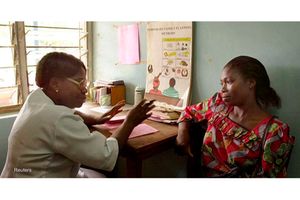
“Egg donation gives such women hope,” Dr Muteshi explains. “But it is never an easy decision. Even though you carry the pregnancy and the child grows in your womb, you know the baby is not genetically linked to you. That’s why counselling is critical before the process begins.”
One of the cornerstones of assisted reproduction is implications counselling. Both the donor and recipient must understand the psychological and ethical issues involved.
For recipients, that includes coming to terms with raising a child who is genetically connected to someone else. For donors, it means understanding what the process involves, the risks, and even potential discoveries during screening.
There are two main ways donors are engaged: Anonymised donation, where the recipient never knows the donor’s identity, and non-anonymous systems, where the donor’s details are stored on a register.
In some countries, children conceived via donor eggs can access donor information when they turn 18. In Kenya, the law is unclear.
Who can donate?
A full medical screening is mandatory. This includes genetic testing, infection screening for conditions like HIV and hepatitis, and checking ovarian reserves. Ironically, the process sometimes uncovers health problems donors did not know they had, leading to disqualification and, in some cases, unexpected anxiety about their own fertility.
“Some young women assume they are fertile because of their age, only to learn their egg numbers are low,” Dr Muteshi notes.
How donation works
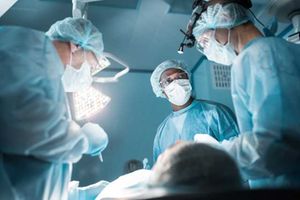
The process involves inserting a needle into the ovaries to collect the eggs. While safe, it carries some risks. The most serious, though rare, is ovarian hyperstimulation syndrome (OHSS), which can cause excessive swelling and fluid buildup.
Other risks include pelvic infection, which in extreme cases may require surgery and even lead to the loss of ovaries or fallopian tubes. Although these complications occur in less than one per cent of cases, donors must be fully informed.
Unlike blood donation, egg donation is not unlimited.
“The main reason is not that donors will run out of eggs, but because of a concern called consanguinity – the possibility of donor-conceived children unknowingly meeting and forming relationships with their half-siblings.”
Kenya lacks a centralised egg donation register, which would help tame cases of repeat donations.
“This is why a centralised register is vital,” Dr Muteshi stresses. “Clinics can keep their records, but without a national database, no one knows if a donor has given eggs at multiple clinics.” A central register would also track live births from donations and restrict further donations once a limit is reached.
Dr Muteshi is emphatic.
Globally, donors are compensated not for the eggs themselves, but for the inconvenience of repeated clinic visits, tests, and the medical procedure.
Waiting list
“We don’t encourage people to donate on a crisis basis, for example, because of urgent financial needs,” Dr Muteshi says. “If someone is desperate, we refer them to other avenues of help. Egg donation is a deeply personal decision that requires time and reflection.”
So far, there is no evidence that egg donation causes long-term health problems.
The process is the same as IVF, which many women undergo for their fertility treatment. “Most risks are short-term,” Dr Muteshi explains. “The key is ensuring donors are properly counselled and protected.”
Registration and licensing of fertility clinics
Dr David Kariuki, the CEO, says fertility is a highly specialised field that demands both medical expertise and strict regulatory oversight.
“Fertility isn’t an entry-level branch of medicine,” Dr Kariuki explains. “You first train as a general medical doctor, then specialise in obstetrics and gynaecology. From there, some doctors go a step further and choose to focus specifically on fertility.”
In Kenya, health facilities are categorised into levels, from the most basic dispensary to the highly specialised national referral hospitals. Fertility services, Dr Kariuki says, are typically offered from Level Four facilities upwards, and these are hospitals that have both outpatient and inpatient services.
“When fertility becomes more complex, say when assisted reproduction is involved, it may require the resources of a Level Five hospital,” he explains. “Some facilities, however, specialise entirely in fertility treatment. We call these level 4B facilities, meaning they provide one specific specialist service.”
What a fertility clinic must have
“They must have a proper waiting area, a triage, consultation rooms, a lab, and a procedure area,” Dr Kariuki says. “Because infertility is caused by many different reasons, treatment can range from something as basic as reassurance and medication, to complex procedures like in vitro fertilisation (IVF). Once IVF comes in, you need advanced laboratories to handle egg retrieval, storage, and fertilisation outside the womb.”
Each facility is inspected at least once a year, with additional checks done if any need arises. If minor gaps are found, recommendations are made; if major gaps exist, the facility may be suspended or shut down entirely for public safety.
While KMPDC has structures to license and monitor clinics, Kenya lacks a national policy that specifically addresses assisted reproductive technologies such as surrogacy and egg donation.
“When there is no national policy, then there are gaps. That’s why we see young women selling eggs without adequate safeguards, or clinics offering services without clear guidelines,” Dr Kariuki says.
The long-awaited Assisted Reproductive Technology (ART) Bill, if passed, would provide a legal framework for regulating these services.
“It would help us enforce standards and protect the public from exploitation,” he adds.
In the meantime, KMPDC regulates fertility centres as specialised medical facilities and relies on professional ethics to guide practitioners. If a practitioner is found engaging in malpractice, there’s a clear disciplinary pathway.
The council may suspend or revoke their license, deregister them, or even recommend that they go back to school. In extreme cases where a crime is involved, the matter is referred to the criminal justice system.
Not for profit
“Egg donation is not a simple transaction,” Dr Kariuki adds. “There are risks to your health, and you must be fully aware before you consent. We advise young women to seek second and even third opinions, to read and keep copies of consent forms, and to report to us if something doesn’t feel right.”
KMPDC’s compliance team is hampered by limited financial and human resources. Still, the council is pushing for reforms, including amendments to the Medical Practitioners Act that would allow stricter regulation of egg donation, surrogacy, and related fertility services.