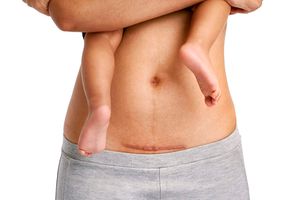
Ann Ndeto, a first-time mother from Nairobi, delivered her son through a Caesarean Section (CS).
The joy of motherhood had her sharing the wonderful news with all and sundry. Then came the odd congratulatory messages that carried disclaimers about how she had birthed the baby
“Wengine waliniambia mtoto wangu hatakuwa ‘strong’ kama waliozaliwa kawaida (Some told me that my child would not be as strong as other children delivered vaginally),” she recalls.
“Someone even joked that I had taken the easy way out,” she shared, disbelief written all over her face.
Ann’s experience is not uncommon, as myths and misconceptions about CS births defy the age of awareness, technology and marvelous leaps of medical advancement.
According to Dr Jackson Njuguna, a consultant obstetrician and gynaecologist based in Nairobi, there is a need to separate such myths from medical facts.
Myth 1: “CS babies are weaker.”
“Most babies born by CS do as well as babies born by vaginal birth. Short-term problems, like mild breathing trouble, usually get better in hours or days. Newborns adapt fast. How a baby is born does not decide their whole life.”
Myth 2: “CS affects a child’s intelligence and development.”
Research shows CS does not set a child’s IQ, milestones, or long‑term development.
“Some studies have found small differences, for example in childhood obesity. However, these results may reflect other causes such as the mother’s health, pregnancy problems, or socio-economic status.”
In short, CS is not the cause. The circumstances around the birth matter more.
Myth 3: “CS babies struggle with immunity.”
“This is not true,” Dr Njuguna says firmly.
If a planned CS happens before 39 weeks, a baby may have short-term breathing issues like transient tachypnea of the newborn (TTN). However, in some instances, earlier delivery may be necessary for medical reasons.
“By the time families leave the hospital, most babies breathe fine,” he says.
Post‑operative pain or delayed skin‑to‑skin can cause short-term delays, but hospital staff can help.
If a woman has had previous abdominal surgery through a midline scar, surgeons often open through the same scar again during later births.
Photo credit: Pool
“With good pain control, help with positioning, and early skin‑to‑skin, CS mothers can breastfeed well,” Dr Njuguna says.
Myth 4: You were not strong enough to push
“CS often saves lives,” he says. “True strength is choosing what keeps mother and baby safe, not following social pressure.”
Reasons for undergoing CS include fetal distress, stalled labour, maternal illness, infection, breech position, twins, or a prior CS among others. In these cases, surgery is the safest option.
“No one gets extra points for how they give birth,” he says. “A healthy mother and child matter most.”
False ideas spread because of cultural views on birth, social media, and personal stories.
“A single viral clip can drown out years of research,” Dr Njuguna says.
Many women, especially after an emergency CS, he says feel strong emotions. Disappointment, grief, and trauma are common.
“Some women feel they failed,” Dr Njuguna notes.
He recommends postpartum debriefs for mums and families. He also suggests mental‑health checks, support groups, and professional counselling when needed.
“Emotional healing matters as much as physical recovery,” he adds.
Like any surgery, it has risks: infection, bleeding, clots, or organ injury. Doctors should usually choose CS for medical reasons, not convenience.
When doctors recommend it is necessary, it is often the safer choice.
His parting shot? “Do not feel guilty. Your baby is not inferior. Your strength is choosing what keeps your family safe.”