A growing number of Kenyan men and women nowadays wax their body hair, however dermatologists are warning of a hidden health risk. Dermatologists say poor salon hygiene can expose one to viruses that cause sexually transmitted infections (STIs).
Dr Venkatesh Narasimhan, a clinical and cosmetic dermatologist at Aga Khan University Hospital, explains that viruses such as molluscum contagiosum , which causes small, painless bumps on the skin, and genital or plain warts can be transmitted if hygiene is compromised.
“Again, these are not painful, they are skin growths that appear on the surface of the skin, and these then require treatment primarily. In few individuals over a period of time, they can go away, but if you then are waxing or shaving the area, you can introduce this virus into those new sites or around, and they can spread around,” he says.
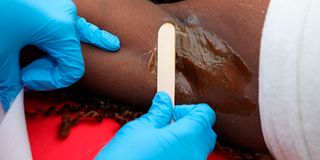
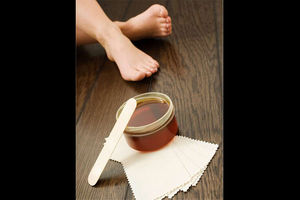
Transmission can happen if towels, sheets or bedding in the waxing parlours are not changed and sanitised between clients, or when an esthetician fails to wear gloves or disinfect equipment properly. Also, double dipping on wax pot, which is using the same spatula on multiple clients without cleaning it, can increase the risk of these STIs.
How these viruses are transmitted
When waxing, you cause minor erosions and skin openings which then provides access to these viruses, which if present on towels, fomites or other equipment, can be introduced into those erosions and create growths.
Herpes, however, belongs to a different group of viruses and presents differently. “It presents commonly as painful erosions in the genital area, post unprotected sexual exposure with someone who has herpes and has not been treated or is under treatment.”
“So, if they have an active herpes, it is lesser likely. I would not say it is completely unlikely.”
These viruses are not confined to waxing parlours. They can also be picked up in massaging, gyms and saunas. Dr Venkatesh says warts are not uncommon on the fingers and you can pick them up in those establishments.
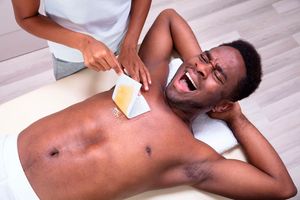
A client undergoes a waxing process in Nairobi.
Photo credit: File | Nation Media Group
“If you have minor cuts or erosions, sometimes ones you cannot even perceive, and you come into contact with objects in these establishments that have not been sanitised or wiped down you can pick these STIs up, especially if your immune system is not functioning well.”
Healthy people too have these viruses
Even healthy people can harbour these viruses because they sit in the outermost skin layers where the immune system is less responsive. Dr Venkatesh says, “Now, like molluscum and genital warts, they are very superficial skin infections and your body’s immune system generally does not know they are there. So, any treatment modality is to cause localised inflammation for your body to come clear it,” he says.
Why? Because of incubation periods, the infection may not always be visible immediately. Certain practices like shaving, which can spread the lesion around, make this worse. “Usually, you see there is that incubation period, so when a patient comes in and we treat them, we can only treat the lesions we are seeing right now. So, during that period, they could still have other areas that are coming, but they are not eruptions yet, they are still in that phase of incubation, where they are going to become a lesion, but you do not know that. That is why it is best practice to have them treated when you have one or two lesions.”
Common and uncommon red flags after waxing
Mild itchiness or razor bumps (pseudofolliculitis) after waxing are common, but there are red flags to watch for. “If a client has redness, blisters or sores after waxing and they are persistent beyond 24 to 48 hours, seek medical help,” he says. Warm compresses before waxing can help open follicles, while soothing moisturisers afterward can ease irritation.
Waxing when you have an undiagnosed skin lesion, folliculitis, molluscum or warts can also increase the risk of spreading infections. “Yes. So, if you have had it for a while or you have an active folliculitis, which is like a painful eruption, it is not a good idea to go in for waxing then,” says Dr Venkatesh.
“Also, if you have warts or molluscum, have that treated as those things are stubborn, it does take time, it would be better care practice to have them treated before you go in for waxing.”