Live update: Senators discuss governors snubbing summons
Premium
Yes, you can get pregnant while breastfeeding
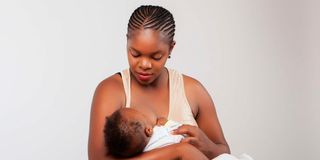
For many women, their periods resume between the 4th week to the 8th week after giving birth.

As expectant mums tick off the last days to their due date with bated breath, they believe their huge sigh of relief is just around the corner. Little do they know that beyond the bundle of joy and that heavenly newborn scent lies another uphill task: being barraged with unsolicited advice on childbirth, nursing, and maternal health.
“Don’t get pregnant too soon; your milk will dry up!”
“Breastfeeding while pregnant? You’ll harm the unborn baby!”


The list of old wives' tales is endless…
Dr Stella Njenga, an obstetrician-gynaecologist, helps us unpack popular postpartum myths and the dangers of these misconceptions.
Must you wait for exactly two years before conceiving after giving birth?
“There is nothing wrong with spacing children; it is all an individual’s decision,” explains Dr Njenga. “Allow yourself to heal first. This will allow the uterus, pelvic floor and nutrient reserves like iron, calcium and vitamins to recover.”
Dr Njenga cautions that women who become pregnant less than six months after giving birth are at risk of several complications.
"There is a greater risk of miscarriage, preterm birth, or low birth weight if the uterus has not fully healed."
Additionally, Dr Njenga advises that mental health and the type of delivery, either vaginal or Caesarean section matters can affect a woman’s readiness to get pregnant again.
Is it safe to breastfeed while pregnant?
"Breastfeeding is safe in a normal, low-risk pregnancy. Although nipple stimulation does release oxytocin, unless the woman is already near term or at risk, the amounts released during breastfeeding are insufficient to induce labour."
Dr Njenga insists it is safe for the woman to continue breastfeeding during pregnancy unless they have difficulties such as discomfort, medical complications or lifestyle/parenting choices.
The pregnant and breastfeeding mum needs to be intentional about eating a healthy diet. Normally, mothers who are pregnant and nursing require additional calories in their meals.
Both the child and the expectant mother can flourish as long as the mother eats a well-balanced diet.
Dr Njenga notes that during pregnancy, the mother’s body adjusts the composition of milk to meet the needs of the nursing infant.
However, a woman should consult her doctor on breastfeeding if she is pregnant with twins, has a history of premature labour, or is very sick. "In those uncommon situations, we may suggest reducing or ceasing breastfeeding," she explains.
Is it true that you can’t get pregnant while breastfeeding?
Dr Njenga shares that she has met many women who are shocked to discover they’re pregnant again just months after giving birth.
“Breastfeeding can delay ovulation, but it’s not guaranteed. Many women ovulate before their first postpartum period, so they don’t even realise they’re fertile.”
According to Dr Njenga, the Lactational Amenorrhea Method (LAM) can be up to 80% effective if these three criteria are met: the baby is under six months, breastfeeding exclusively, and the mum has nor resumed her menses.
Breastfeeding mothers should consult with their doctors on contraceptive options available that suit their lifestyles and their breastfeeding status. Options include intrauterine devices (IUDs), oral contraceptive pills and implants.
“We advise mothers to consider contraception as early as their 6th week clinic visit,” she says.
“Periods may not come back the same as before pregnancy. The periods vary from one woman to another,” Dr Njenga says.” The periods may be heavier or lighter, while some may be irregular.”
She adds that not having your period while breastfeeding is common, and it is often hard to predict when the periods will return after giving birth.
“Your periods will typically begin earlier if you bottle feed or partially breastfeed your child than if you nurse them exclusively,” she clarifies.
For many women, their periods resume between the 4th week to the 8th week after giving birth.
Dr Njenga advises new mums to go for postnatal check-ups and not to rely on friends for medical advice.
“Don’t compare yourself to others. Just do what feels right for you,” she adds.