Kenyan embassy warns non-Muslims against entering Mecca holy sites
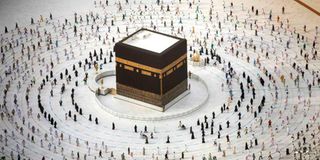
A handout picture provided on August 2, 2020 shows Muslim pilgrims around the Kaaba, Islam's holiest shrine, at the centre of the Grand Mosque in the holy city of Mecca, while mask-clad and along specific pre-ordained rings as part of measures to prevent the spread of Covid-19.

The Kenyan Embassy in Riyadh has warned Kenyans who are not Muslims against entering Mecca and other designated Islamic holy sites in Saudi Arabia, saying doing so would constitute an offence under the Kingdom's laws.
In an advisory issued on Wednesday, November 25, the Embassy said Saudi Arabia had reiterated its regulations barring non-Muslims, including foreign nationals, residents and visitors, from entering designated sacred areas.
The restricted areas include the Holy Haram of Mecca, Islam's holiest sanctuary, and the Holy Sacred Sites, collectively known as Al-Mashaer Al-Muqaddasah.


“The Embassy wishes to inform all Kenyans that the Kingdom of Saudi Arabia has reiterated its existing laws and regulations prohibiting non-Muslims from crossing into or entering the boundaries of the Holy Haram of Makkah and the Holy Sacred Sites (Al-Mashaer Al-Muqaddasah),” the advisory stated.
The diplomatic mission urged Kenyans to respect the restricted boundaries and comply with Saudi Arabian laws, warning that the prohibition applies regardless of nationality or immigration status.
Mecca, also spelt Makkah, is the spiritual heart of Islam and the destination of millions of Muslims undertaking the annual Hajj pilgrimage and the lesser pilgrimage of Umrah.
At its centre is Masjid al-Haram, or the Grand Mosque, which houses the Kaaba, the black cubical structure that Muslims across the world face during their five daily prayers. It is regarded as the most sacred site in Islam.
The mosque is the focal point of the Tawaf ritual, in which pilgrims walk seven times around the Kaaba in an anti-clockwise direction. During Hajj and Umrah, worshippers also perform Sa’i, walking seven times between the hills of Safa and Marwah to commemorate Hajar's search for water for her son Ismail.
The annual Hajj, one of the five pillars of Islam, draws millions of Muslims from across the world. It takes place during specific days in the Islamic month of Dhul-Hijjah and involves a series of rituals at sites around Mecca.
These include travelling to Mina, where pilgrims spend time in prayer and later perform the symbolic stoning of the devil at Jamarat; gathering at Mount Arafat for hours of prayer and supplication on the most important day of Hajj; and proceeding to Muzdalifah, where pilgrims spend the night and collect pebbles for the stoning ritual.
The prohibition on non-Muslims entering Mecca is rooted in Islamic religious tradition, which reserves the sacred sanctuary for Muslims. Saudi Arabia enforces the restriction through designated entry boundaries, checkpoints and regulations governing access to the holy city and pilgrimage sites.
The restriction is distinct from general entry requirements for Saudi Arabia: foreign nationals may visit other parts of the Kingdom but cannot enter designated sacred areas if they are not Muslim.
For Kenyans travelling to Saudi Arabia for work, business or tourism, the Embassy's advisory serves as a reminder to establish whether their destinations fall within restricted zones before making travel arrangements.
Follow our WhatsApp channel for breaking news updates and more stories like this.