As schools close for the long holiday, lasting at least 70 days for some learners, parents face a big headache – how to keep the children safe, engaged and mentally stimulated without turning the break into an expensive extension of school.
The 10-week break comes as families grapple with childcare costs and working parents try to balance jobs with supervision at home. Long, unstructured days can also expose children to negative peer influence, unsafe activities, inappropriate online content and drug or alcohol use.
According to the Ministry of Education’s 2026 school calendar, the third term ends on October 23 and the holiday runs until January 1, 2027. For some learners, a portion of the break will be spent taking national examinations. The Kenya Primary School Education Assessment (KPSEA) is scheduled for October 26 to 29, while the Kenya Intermediate Level Education Assessment (KILEA) will be administered from October 26 to 30.
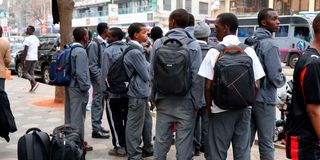
Secondary school girls head home for the end-of-year holidays after being released from their institutions in Bomet town on October 15, 2026.
Photo credit: Vitalis Kimutai | Nation Media Group
The Kenya Junior School Education Assessment (KJSEA) and the Kenya Pre-Vocational Level Education Assessment (KPLEA) are scheduled for October 26 to November 5, while the Kenya Certificate of Secondary Education (KCSE) is lined up for November 2 to 20.
As children spend their time at home, some of the questions parents will have to grapple with include who will supervise the children during the day. Parents also have to decide what counts as safe screen time and how to keep youngsters engaged without overspending. Some parents also ask how much learning should continue outside the classroom.
Parenting experts say the answer is a balance of rest, recreation, learning, family time and safety, while warning parents not to recreate the school timetable at home.
National Parents Association chairman Silas Obuhatsa urged parents to ensure children use the holiday constructively.
“Parents must take care of their children. They must advise them accordingly because the children are now out of the hands of teachers. You have seen children going to swimming pools and drowning. Parents must take care of their children throughout the holiday,” he said.
Mr Obuhatsa cautioned against allowing children to take part in political rallies and campaigns, saying those under 18 should not be used as political mobilisers or campaign ambassadors.
“They are below the age of 18, they have no idea what is happening,” he reasoned.
“You find some parents sending children to the market with wheelbarrows, running up and down carrying tomatoes on the roads. What is that doing to the children?” he posed. “Children deserve holidays. They have been in school for three terms. They should be at home, resting and spending time with their families.”
He encouraged parents to use the break to teach life skills such as cooking and household responsibilities, maintain reasonable routines and ensure school assignments are completed. Parents, he added, should review newsletters and report forms to understand their children’s strengths and weaknesses.
However, he opposed turning holidays into extra classroom sessions, arguing that learners need time to recover after completing the year’s syllabus.
“Teachers have covered the syllabus and given homework. Teachers are not supposed to give children homework and then parents take them back to pay for the same work to be done again,” he said.
Holiday tuition remains restricted. In a memorandum dated July 30, 2025, the then Basic Education Principal Secretary Julius Bitok directed regional education directors to enforce the ban on tuition in public and private schools. The ministry cited Section 37 of the Basic Education Act, 2013, while allowing exceptional remedial classes in permitted circumstances.
The policy leaves families to find affordable ways of keeping children engaged, particularly where parents work and cannot pay for organised activities or childcare.
Experts recommend a simple daily structure built around regular sleep, meals, chores, physical activity and free time. Children should have room to play, socialise and spend time with family rather than pass entire days without direction.
They note that children can be kept mentally active without recreating a classroom through activities like reading, writing short stories and practising mathematics through shopping or budgeting. Cooking introduces measurements, gardening teaches children about plants, while shopping can help older children understand prices and saving.
Jomo Kenyatta Girls Senior School students at a matatu stage in Nakuru City on October 14, 2026, as they head home for the December holidays.
Photo credit: Boniface Mwangi | Nation Media Group
Developmental experts also note that parents should encourage interests such as music, drawing, dance, sport and crafts, which may receive less attention during the school term. Learners moving to another education level, they say, can do light revision and discuss the transition without following a demanding study timetable.
Childcare service provider Juliet Chepkemoi says children should remain mentally engaged during the break while also being allowed to rest.
Secondary school students in Bomet streets after being released for the end year holidays in this photo taken on October 15, 2026
Photo credit: Vitalis Kimutai | Nation Media Group
“School comes with a lot of pressure from teachers, academic expectations and even the children themselves. The holiday gives them time to relax, reflect on their experiences and recover emotionally,” she says.
However, children left alone for long periods without supervision, meaningful activities or emotional support can become isolated and vulnerable to harmful influences.
Ms Chepkemoi advises families to plan the holiday with their children, taking account of age, interests and the household budget. A meaningful break does not require travel or costly weekly outings.
Affordable options include visiting a public park, cooking together, playing board games, borrowing library books, gardening or learning a household skill. Such activities allow children to explore their interests and can strengthen family relationships.
She identifies drugs and substance abuse, negative peer influence and inappropriate online content among the risks children may face without guidance. Social media can also add to emotional pressure.
“I tell parents to be approachable so that children feel free to talk about what they are going through. Even when they make mistakes, they should feel comfortable explaining themselves,” she says.
Where parents are away at work, trusted adults – including relatives or older cousins – can provide supervision and guidance. Parents should agree in advance who is responsible, how the child can reach them and what activities are allowed.
Ms Chepkemoi recommends a routine that balances rest, recreation, chores and light revision. Reasonable times for waking, sleeping, meals, reading and outdoor activity provide structure while still leaving children free to enjoy the break.
“The aim during the holidays should not be to keep children busy every minute. Parents should give them a safe environment where they can rest, play, interact with others and learn,” she said.
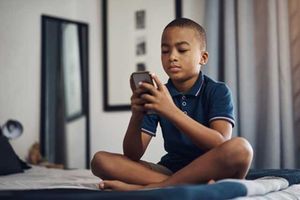
Screens are another concern. Phones, tablets, televisions and gaming devices can easily become default babysitters, and experts urge parents to monitor both the time children spend online and the content they consume – including whom they interact with.
Excessive screen use can interfere with sleep, exercise and family interaction. Experts insist on clear limits, appropriate supervision and alternatives such as outdoor play, reading, household activities and visits with friends or relatives can help.