Kenyans have until January 16, 2026, to submit written memoranda to the Senate on the South Lokichar Field Development Plan (FDP) and the associated Production Sharing Contracts for Blocks T6 and T7 in Turkana County.
In an advertisement published in local newspapers, Senate Clerk Jeremiah Nyegenye set the deadline at 5pm, as the government moves closer to commercialising oil production in the region.
Clerk of the Senate Mr Jeremiah Nyegenye at a past event.
Photo credit: File | Nation Media Group
“Pursuant to Article 118 of the Constitution and Section 31(3) of the Petroleum Act, Cap 308, the Standing Committee on Energy invites members of the public to submit written memoranda on the Field Development Plan and Production Sharing Contracts,” reads the notice. The contracts outline the proposed commercial development of six oil discoveries in the South Lokichar Basin, covering infrastructure, environmental safeguards, community obligations, and projected national benefits under new agreements with Gulf Energy E&P BV, which is taking over the blocks previously held by Tullow Oil.
Nairobi Senator Edwin Sifuna has raised concerns over irregularities, opaque ownership changes, and contract variations that favour the oil company at the expense of the public. “The Local Content Bill requires oil companies to utilise locally available resources, including labour and supplies. Gulf Energy has cleverly made the current agreement exempt from such legislation,” he said.
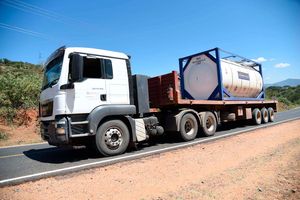
Tullow Oil facility at Ngamia 8 in Lokichar, Turkana County, on February 18, 2020.
Photo credit: File | Nation Media Group
The Ministry of Petroleum has also granted Gulf Energy exemptions from VAT, Railway Development Levy, Import Declaration Fee, Withholding Tax, and related interests. The First Addendum to the Production Sharing Agreement, signed on November 24, 2025, by Petroleum Cabinet Secretary Opiyo Wandayi and Gulf Energy Director Francis Njonu, formalises these exemptions, witnessed by Principal Secretary Mohamed Liban and Director Paul Limoh.
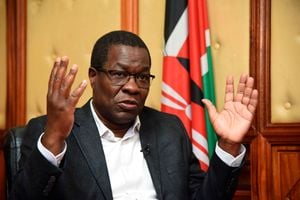
Nairobi Senator Edwin Sifuna at Bunge Tower Nairobi on March 17, 2025.
Photo credit: Dennis Onsongo | Nation Media Group
Gulf Energy’s addendum also increased the cost recovery from 65 per cent to 85 per cent and grants the company exclusive rights to transport crude from Turkana to Mombasa and market the products. Additionally, a new Clause 33A prevents retroactive application of any future law, amendment, or fiscal changes that could diminish the company’s rights or obligations under the contract.
The Senate’s move to seek public views follows the tabling of the documents on November 27, 2025, and their referral to the Standing Committee on Energy for review under constitutional and statutory provisions governing natural resource exploitation. Lawmakers and citizens are now asked to provide input on the contracts, which will shape the commercialisation and governance of Kenya’s oil resources in Turkana.
Supporters of the project argue that the South Lokichar development could bring significant economic benefits to the region, including jobs, infrastructure improvements, and revenue to support county and national development. They point out that local communities stand to benefit from social projects and partnerships outlined in the FDP, provided the agreements are implemented transparently and responsibly.
Critics, however, warn that without proper oversight, the deal could repeat mistakes seen in previous oil projects, including weak local content enforcement and excessive tax concessions. They emphasise the importance of public scrutiny and informed input to ensure that the contracts deliver tangible benefits to Turkana residents and the nation at large, rather than disproportionately favouring the oil company.