17 pregnant pupils sit KPSEA exam at Meru hospital
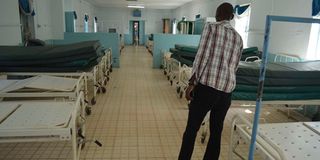
Meru Teaching and Referral Hospital.

What you need to know:
- Dr Githu Wachira says 49 per cent of mothers who delivered at the facility in September were teenagers; he has called for joint efforts to minimise teenage pregnancies.
- Teenage mothers under the age of 17 accounted for 70 per cent of all delivery complications recorded at the hospital during the same period.
Seventeen pregnant candidates are sitting their Kenya Primary School Education Assessment (KPSEA) at Nyambene Level Five Hospital in Meru County.
The national examination began on Monday. The high number of Grade Six teenage mothers has jolted stakeholders, with Meru continuing to rank amongst the leading counties in teenage pregnancies and sexual and gender-based violence.
Across the county, 31,785 candidates are sitting KPSEA, while 29,744 students are writing the Kenya Junior Secondary Education Assessment as 31,620 sit the Kenya Certificate of Secondary Education exam.

According to Dr Githu Wachira, the Medical Superintendent at Nyambene Level Four Hospital, 49 per cent of mothers who delivered at the facility in September were teenagers. Teenage mothers under the age of 17 accounted for 70 per cent of all delivery complications recorded at the hospital during the same period.
Dr Wachira called for concerted efforts amongst stakeholders—particularly parents, religious leaders, teachers, health workers and administrators—to minimise teenage pregnancies. He spoke at the hospital during a teenage mothers' clinic meant to monitor progress and provide psychosocial support to young mothers and their children.
“It is a big crisis for the community to have such a high number of teenage mothers. We have mothers as young as 12 years. This comes with medical and social challenges such as birth complications and stigma,” Dr Wachira said. “We are working with other stakeholders to support them in their motherhood. We also seek to guide them on how to achieve their dreams.”
The Young Mothers Support Programme is meant to mentor the teenagers through education, mentorship and counselling sessions. “This is intended to improve their well-being and parenting skills. We also endeavour to prevent recurrence of teenage motherhood because some teenagers have up to three children, increasing their social and health risks,” he said.
According to Meru County health department data, teenage mothers account for 24 per cent of all hospital deliveries.


