Blamed, shamed and sick: Stop the crisis of female genital schistosomiasis
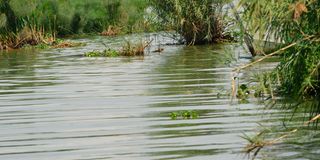
A section of Lake Victoria. A parasitic worm transmitted through contact with contaminated freshwater causes female genital schistosomiasis.

What you need to know:
- In Kenya, female genital schistosomiasis devastates women’s health and dignity, thriving in silence due to neglect and poor awareness.
- FGS robs women of health, fertility, and livelihoods, yet the system continues to mislabel, mistreat, and overlook it.
Female genital schistosomiasis (FGS) remains a widespread yet underreported public health issue in different parts of Kenya, particularly in Homa Bay County, despite its toll on populations. Though classified among the neglected tropical diseases, the impact of FGS extends far beyond the health sector – disrupting families, livelihoods, and women’s reproductive rights.
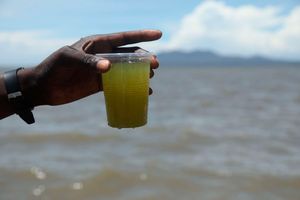
Caused by Schistosoma haematobium, a parasitic worm transmitted through contact with contaminated freshwater, FGS primarily affects the genital and urinary tracts. Without timely treatment, the infection progresses slowly, often taking months or years to manifest fully. About 40 million women and girls in sub-Saharan Africa currently live with this devastating condition.
In Kenya, the disease is frequently misdiagnosed as a sexually transmitted infection (STI). In places like Homa Bay, misdiagnoses have led to serious societal implications, including accusations of infidelity and domestic violence. Health workers point to a critical knowledge gap, with most of them only trained to recognise FGS in its general schistosomiasis form, without understanding the specific condition.


Overlooked
FGS is doubly neglected – both in diagnosis and research. It’s overlooked in training, underfunded in policy, and ignored in health circles. Because its symptoms mimic those of STIs, women are often wrongly blamed for bringing disease into their marriages. This misunderstanding has led to marital breakdowns, stigma, and psychological trauma.
The physical symptoms – severe pain, genital sores, and foul odour – further isolate women. Many are unable to participate in daily activities such as farming or attending community events because of shame and discomfort. For others, the disease affects fertility, leading to social discrimination for being childless in a society where motherhood is a cultural expectation.
FGS also limits women’s access to economic opportunities. The pain and fear of public humiliation drive many into seclusion, barring them from participating in income-generating activities like business ventures. The result is a cycle of poverty, isolation, and despair.
But who is responsible for action?
Addressing FGS requires coordinated efforts at multiple levels of government and community healthcare. The national government must integrate FGS into the medical curriculum used to train health professionals. In-service training and refresher courses are equally important to update frontline workers on the latest diagnostic and treatment guidelines. This is also part of awareness creation.
Community health promoters, who often serve as the first point of contact, need to be trained to recognise potential cases of FGS and refer them for proper testing. Women presenting with symptoms of STIs should be further screened for female genital schistosomiasis to avoid misdiagnosis.
Basic sanitation remains the cornerstone of prevention. Open defaecation and urination in freshwater sources continue to fuel the transmission cycle. Public health officers should work with local communities to encourage latrine use and promote hygienic practices. Additionally, expanding access to clean piped water would significantly reduce the need for residents to rely on contaminated sources.
The national and county governments must also invest in research to better understand FGS prevalence and impact. Public awareness campaigns—through local radio stations, churches, and public gatherings—can help destigmatise the disease and promote early treatment.
Mobile clinics could further extend healthcare access to remote areas, allowing for timely diagnosis and intervention. Female genital schistosomiasis may be a neglected disease, but the women and girls affected by it cannot be forgotten. It is time to bring this silent crisis into the national spotlight, take remedial action and eliminate it.