The Independent Electoral and Boundaries Commission (IEBC) chairman Erastus Ethekon has degazetted three nominated Members of the County Assembly (MCAs) in Kwale whose nominations were revoked by the High Court in 2023.
In a gazette notice issued on September 18, Mr Ethekon removed the names of Fartun Mohamed Musa (Orange Democratic Movement), Augustine Ndegwa (United Democratic Alliance) and Rachael Katumbi Mutisya (United Democratic Movement) from the marginalised list. The move comes less than a year before the next General Election is held on August 10, 2027.
The three had been serving as nominated members of the Kwale County Assembly and drawing salaries since 2022, despite the High Court nullifying their nominations on September 14, 2023. They have now been replaced by Agnes Otieno (ODM), Aaron Kennedy Kavuwa (UDA) and Nuria Huka (UDM).
“The deleted nominees stand excluded as Members of the County Assembly of Kwale,” Mr Ethekon stated.
However, the amended gazette notice has left the fate of Mary Charles Kalinga hanging, who successfully challenged the nomination of Ms Musa, Ms Josephine Wairimu Kinyanjui, Mr Ndegwa, Mulki Abdullahi Adan and Ms Mutisya.
Also missing are the names of the other people Ms Kalinga proposed as replacements, including Mwanauba Omar Mwaphatsa, Bakari Mwafrika Wakilesho and Luvuno Zawadi Jackson.
The publication of the gazette notice comes barely a month after the High Court in Kwale directed the IEBC to implement its 2023 judgment declaring the five seats vacant.
The dispute arose from a petition filed by Ms Kalinga challenging the nomination of Ms Musa, Ms Kinyanjui, Mr Ndegwa, Adan and Ms Mutisya to the County Assembly. In its judgment of September 14, 2023, the High Court found that the five had not been validly elected as nominated MCAs and ordered the IEBC to treat their seats as vacant.
The commission was directed to issue the relevant certificates under Section 86 of the Elections Act and select new nominees from qualifying party lists in proportion to the votes garnered, while giving priority to marginalised groups as provided under Section 36 of the Act.
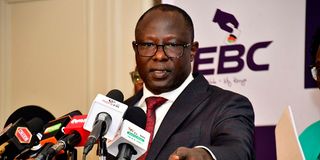
The Independent Electoral and Boundaries Commission (IEBC) Chairperson Erastus Edung Ethekon (center, podium) briefs the media on April 30, 2026, on the completion of the Enhanced Continuous Voter Registration (ECVR). With him are fellow IEBC Commissioners.
Photo credit: Francis Nderitu| Nation Media Group
The court ordered that the nomination process be completed within 14 days. It also ruled that the affected MCAs were not eligible for re-election and directed the Clerk of the County Assembly to ensure that the new nominees were sworn in within the prescribed period.
The five challenged the decision before the Court of Appeal and later the Supreme Court, but both appeals were unsuccessful. The Court of Appeal dismissed their case on March 22, 2024, while the Supreme Court delivered its decision on June 28, 2024.
The orders nevertheless remained unimplemented, with the affected MCAs continuing to attend County Assembly sittings and receive their salaries amid subsequent court proceedings.
Ms Kalinga returned to the High Court in June this year, accusing the IEBC, the County Assembly, and the affected MCAs of failing to comply with the 2023 judgment. She sought contempt proceedings against the respondents and orders declaring the five positions vacant.
The County Assembly and Speaker Seth Mwatela Kamanza opposed the application, arguing that subsequent conservatory orders issued in related constitutional proceedings had prevented implementation.
The IEBC also cited proceedings before the Employment and Labour Relations Court involving some of the affected MCAs as a reason for the delay.
On August 20, the High Court rejected the arguments, holding that none of the subsequent proceedings had stayed the 2023 judgment. It said the IEBC, having been a party to the original case, was aware of its obligation to implement the orders.
The court declined to order the gazettement of Ms Kalinga and the other people she proposed as replacements, saying those prayers were not contained in the original judgment.
It nevertheless affirmed that the 2023 orders remained enforceable and directed the relevant parties to comply, warning that failure to do so could expose them to contempt proceedings.
The court subsequently issued summons requiring IEBC officials, the Speaker, the Clerk and the affected MCAs to personally appear and show cause why they should not be cited for contempt if the orders were not implemented within the prescribed period.