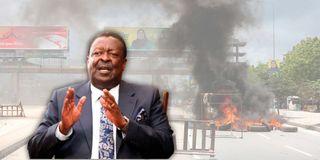
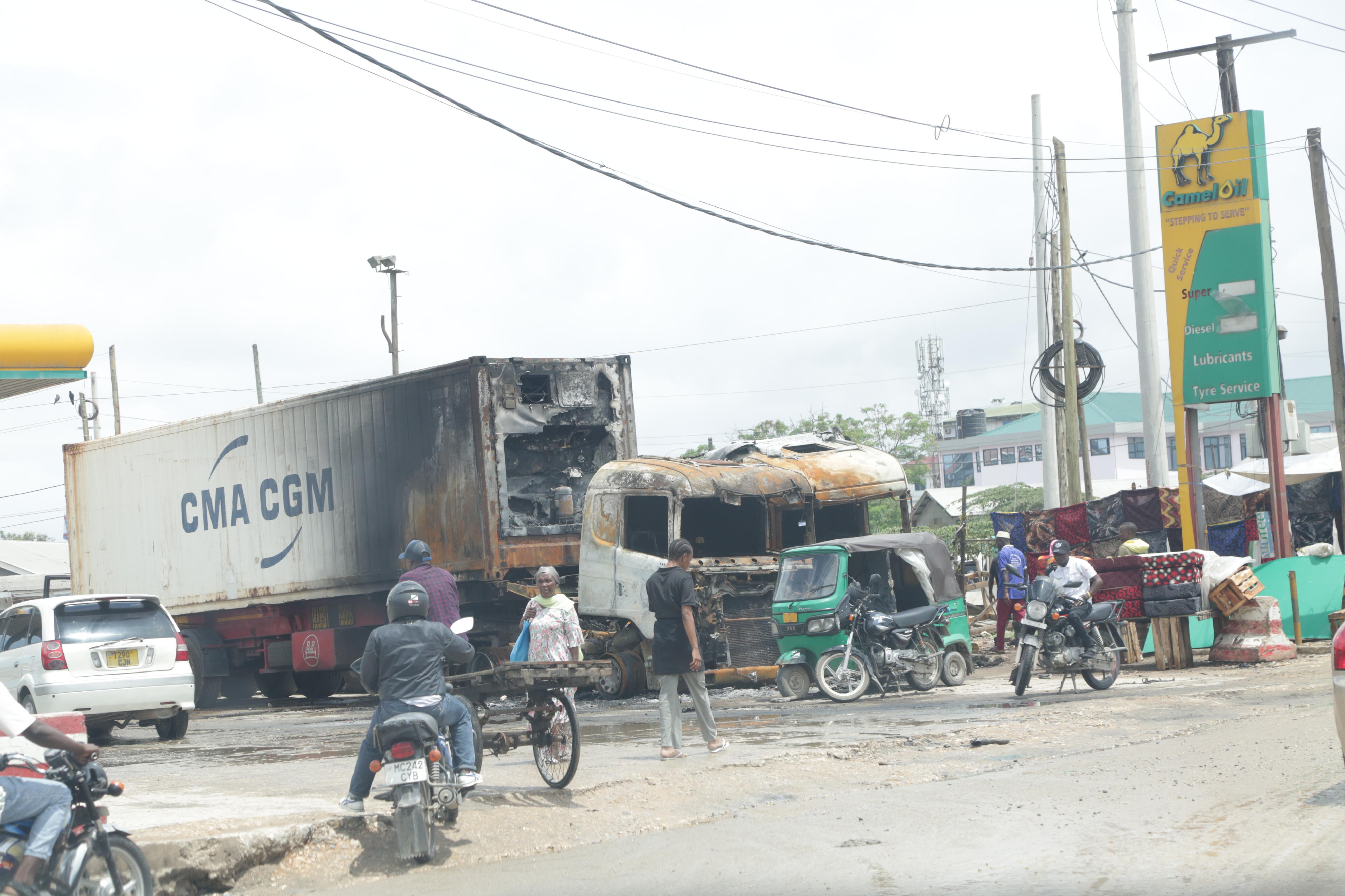
Caption for the landscape image: Kenya demands answers over citizens in Tanzania Friday, November 07, 2025 Scroll down to read the article Prime Cabinet Secretary and Foreign Affairs Cabinet Secretary Musalia Mudavadi. Photo credit: File | Nation Media Group By Mercy Simiyu Correspondent Summary Article Related What you need to know: The demand follows reports of Kenyans in the neighbouring country living in fear due to threats of victimisation.There are reports of Kenyans seeking assistance from the High Commission in Dar es Salaam to return home. Kenya has demanded answers from Tanzania on the fate of its citizens caught up in the post-election violence. The government has asked Tanzania to guarantee the safety of Kenyans and take action against any infringement of their rights. PREMIUM Tanzania vote violated democratic values, AU observers say Boniface Mwabukusi, president of the Tanganyika Law Society representing lawyers in mainland Tanzania, said he estimated the death toll at over 1,000 based on reports from local contacts. PREMIUM Kenyans in Tanzania speak: 'We’re marked people' Kenyans are facing hostility in the country they have always considered home. PREMIUM Dar es Salaam slowly reopens as curfew is lifted Tanzania's commercial capital Dar es Salaam began slowly reopening for business on Tuesday after a five-day curfew paralysed economic and social activity in the two cities. PREMIUM Police warn Tanzanians against sharing photos following deadly election protests Police in Tanzania have warned people against sharing online images that might "cause panic" now internet access has been restored after election-related protests in which the opposition says... . Recommended for you PREMIUM Shakahola: The Bible verses at the heart of a massacre PREMIUM Shakahola: The red flags that preceded mass deaths PREMIUM Woman wins Sh500,000 after husband moves lover into matrimonial home PREMIUM Drone strikes stall two fuel tankers bound for Kenya Login to join the discussion Please enable JavaScript to view the comments powered by Disqus. In the headlines Elections News Counties Business Opinion Sports Life & Style Health Podcasts Photos Newsletters Puzzles PREMIUM How Kenya’s running legends are building fortunes beyond the track Champions who have channeled their sporting fortunes into shopping centres, hotels, schools. PREMIUM Woman wins Sh500,000 after husband moves lover into matrimonial home Judge orders the lover to vacate the Kisumu home within 14 days. Prof Ndetei summoned for cross-examination in Dr Mutiso murder case bail dispute Murder suspects claimed the affidavit filed in court by Prof Ndetei was a forgery.
PREMIUM Tanzania vote violated democratic values, AU observers say Boniface Mwabukusi, president of the Tanganyika Law Society representing lawyers in mainland Tanzania, said he estimated the death toll at over 1,000 based on reports from local contacts.
PREMIUM Kenyans in Tanzania speak: 'We’re marked people' Kenyans are facing hostility in the country they have always considered home.
PREMIUM Dar es Salaam slowly reopens as curfew is lifted Tanzania's commercial capital Dar es Salaam began slowly reopening for business on Tuesday after a five-day curfew paralysed economic and social activity in the two cities.
PREMIUM Police warn Tanzanians against sharing photos following deadly election protests Police in Tanzania have warned people against sharing online images that might "cause panic" now internet access has been restored after election-related protests in which the opposition says...
PREMIUM How Kenya’s running legends are building fortunes beyond the track Champions who have channeled their sporting fortunes into shopping centres, hotels, schools.
PREMIUM Woman wins Sh500,000 after husband moves lover into matrimonial home Judge orders the lover to vacate the Kisumu home within 14 days.
Prof Ndetei summoned for cross-examination in Dr Mutiso murder case bail dispute Murder suspects claimed the affidavit filed in court by Prof Ndetei was a forgery.