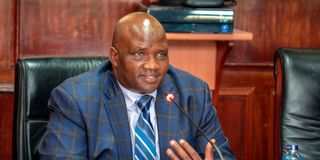
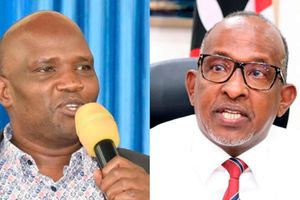
The High Court has given Mosop MP Abraham Kirwa and the Speaker of the National Assembly another opportunity to defend themselves in a case seeking to have the legislator’s seat declared vacant over his prolonged absence from Parliament.
Justice Roselyne Aburili allowed applications by the Speaker and Mr Kirwa to reopen proceedings, paving the way for them to respond to claims that the constituency has been left without effective representation because of the MP’s absence for more than two years.
The judge directed the Speaker and the MP to file their responses and written submissions within five days from November 2 2026, with petitioner Timothy Tororey also allowed five days after service to file further affidavits and submissions.
Mosop MP Abraham Kirwa raises alarm over potentially ineffective medicines in Kenya
The ruling, however, did not determine whether Mr Kirwa should lose his parliamentary seat.
Mr Tororey, a registered voter and resident of Mosop Constituency, had accused the legislator of remaining outside the country and missing parliamentary sittings and official business for more than two years.
He argued that the prolonged absence had denied residents an opportunity to be represented in parliamentary debates, voting, oversight and decisions on national resource allocation.
In his petition, he also accused the Speaker of failing to take action despite the constitutional requirement that a parliamentary seat becomes vacant when a member misses eight consecutive sittings without permission.
Mr Tororey wants the court to declare that the MP's prolonged absence violates the political rights of Mosop residents and compel the Speaker to declare the seat vacant.
But the Speaker, through National Assembly Clerk Samuel Njoroge, told the court that the MP's absence had been authorised on medical grounds.
Mr Njoroge said Mr Kirwa had submitted formal written requests and obtained permission from the Speaker under the National Assembly's Standing Order 257A to be away for treatment.
The Speaker also explained that the failure to respond to the petition on time resulted from administrative challenges following the departure of a senior legal counsel who had been appointed a judge.
The National Assembly said the change in legal representation had caused confusion over the handover of files, court documents and deadlines.
It further argued that the petition was premature because Mr Tororey had not exhausted the procedures available within Parliament for dealing with a member's absence.
Mr Kirwa separately told the court that he had travelled outside the country from time to time to seek medical attention and had obtained permission from the Speaker.
He also claimed he had never been served with the petition and only learnt about it through the National Assembly.
The MP argued that proceeding to judgment without hearing him would violate his constitutional right to a fair hearing, particularly because the case could lead to the loss of his elected seat and trigger a by-election.
In allowing the applications, Justice Aburili said the consequences of the petition were too significant for the court to proceed without hearing those directly affected.
"The reliefs sought are capable of affecting the tenure of an elected Member of Parliament and by extension, the electorate represented by that office," she said.
The judge added that it was important to ensure that all affected parties had an opportunity to present their side before a final decision was made.
She acknowledged that reopening a case after it had been heard and judgment reserved should not be done casually, as courts must also ensure that disputes come to an end.
However, she said the explanations given by the Speaker and the MP went beyond an attempt to delay the proceedings.
"The Applications were lodged before delivery of judgment," Justice Aburili said, adding that the court had not yet reached a stage where it had lost the authority to reopen the proceedings.
She further observed that the two applicants had raised issues that could not be dismissed as frivolous, including the circumstances surrounding the MP's absence and whether parliamentary procedures had been followed.
The judge also considered the potential consequences of proceeding without hearing the two parties, noting that any prejudice to the petitioner could be addressed through strict timelines.
"The Court's duty is not merely to conclude litigation expeditiously but to do justice according to the Constitution and the law," she said.
Justice Aburili consequently allowed the applications but declined to suspend the judgment set for November 17 2026.