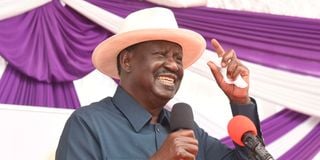
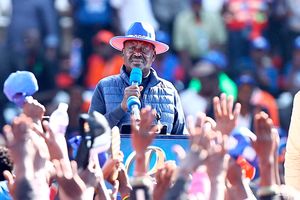
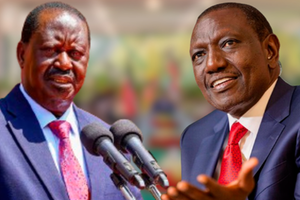
Caption for the landscape image: Raila Odinga’s mixed legacy of hope and doubt Wednesday, October 15, 2025 Scroll down to read the article Former prime minister Raila Odinga. Photo credit: Nation By Kenfrey Kiberenge Article Related For half a century, Raila Odinga, who died on Wednesday in India, has been Kenya’s political North Star, sometimes blazing, sometimes blinding. To his admirers, he is the man who expanded the nation’s democratic space, defied dictatorship, and made dissent respectable. PREMIUM Day Raila testified in the 1982 attempted coup case Mr Odinga recalled that he was terribly beaten by visibly drunk police officers. PREMIUM Too close yet too far: Raila, the President Kenya never had He had become a perennial presidential contender, but his ambition remained elusive. PREMIUM How Raila saved Matiang'i from arrest Lawyer Danstan Omari details how Raila saved the former CS from DCI prosecution. PREMIUM Raila's long political journey and his clash with three presidents His loyalists saw a man whose life intertwined with the nation’s own struggles for democracy, justice, and inclusion. . Recommended for you PREMIUM Hospital sued after twins born at 27 weeks, one dies, one loses his vision PREMIUM Court strikes out junior school teachers’ bid to break away from Kuppet, Knut PREMIUM Why Uhuru skipped Raila’s anniversary event PREMIUM Fires await Gachagua on return from US trip Login to join the discussion Please enable JavaScript to view the comments powered by Disqus. In the headlines Elections News Counties Business Opinion Sports Life & Style Health Podcasts Photos Newsletters Puzzles PREMIUM Court exposes officials in failed bid to seize Nakuru War Memorial Hospital Officials are accused of acting on instructions from powerful individuals. Ruto on New KCC: Let farmers run it The government has injected Sh8 billion into New KCC over the past three years. PREMIUM Hospital sued after twins born at 27 weeks, one dies, one loses his vision Father sued the hospital alleging that doctors failed to conduct mandatory screenings.
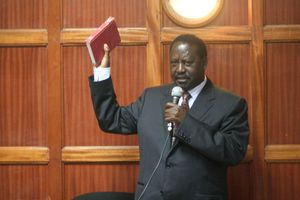
PREMIUM Day Raila testified in the 1982 attempted coup case Mr Odinga recalled that he was terribly beaten by visibly drunk police officers.
PREMIUM Too close yet too far: Raila, the President Kenya never had He had become a perennial presidential contender, but his ambition remained elusive.
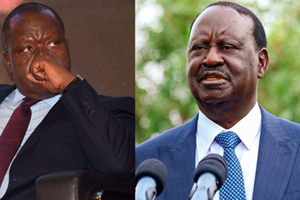
PREMIUM How Raila saved Matiang'i from arrest Lawyer Danstan Omari details how Raila saved the former CS from DCI prosecution.
PREMIUM Raila's long political journey and his clash with three presidents His loyalists saw a man whose life intertwined with the nation’s own struggles for democracy, justice, and inclusion.
PREMIUM Court exposes officials in failed bid to seize Nakuru War Memorial Hospital Officials are accused of acting on instructions from powerful individuals.
Ruto on New KCC: Let farmers run it The government has injected Sh8 billion into New KCC over the past three years.
PREMIUM Hospital sued after twins born at 27 weeks, one dies, one loses his vision Father sued the hospital alleging that doctors failed to conduct mandatory screenings.