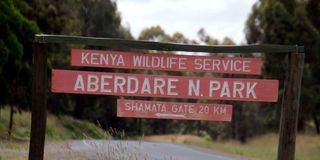
Kenya's national parks, reserves, and sanctuaries will implement new conservation fees starting Wednesday, October 1, 2025, marking the first comprehensive fee revision in nearly two decades.
Parliament approved the Wildlife Conservation and Management (Access, Entry and Conservation) (Fees) Regulations, 2025 on Thursday, September 25, paving the way for what officials describe as a sweeping overhaul to safeguard wildlife and secure the country's natural treasures.
Four-tier pricing structure
The new framework introduces a four-tier visitor categorisation system: East African citizens, Kenyan residents, African citizens, and non-residents, each with distinct fee structures.
Effective from 1st October 2025
EA Citizen KSh 1,500
Resident KSh 2,025
Non-Resident $90
African Citizen $50
EA Citizen KSh 1,000
Resident KSh 1,350
Non-Resident $80
African Citizen $40
EA Citizen KSh 800
Resident KSh 1,100
Non-Resident $70
African Citizen $30
Park / Package EA Citizens (KSh) Residents (KSh) Non-Residents (USD) African Citizens (USD) Amboseli & Lake Nakuru 1,500 2,025 90 50 Nairobi NP 1,000 1,350 80 40 Tsavo East/West 1,000 1,350 80 40 Mt. Kenya NP 800 1,100 70 30 Hells Gate, Mt. Longonot, etc. 500 675 50 20 Nairobi Safari Walk/Orphanage 300 405 25 15
Amboseli & Lake Nakuru: Nairobi NP: Mt. Kenya NP: Kenyan citizens 70 years and above Children under 5 years Persons with disabilities Registered tour drivers & guides Camping: Private Sites: From KSh 500 / $50 Public Sites: From KSh 200 / $20 Annual Passes (Citizens/Residents): Adult: KSh 45,000 Family: KSh 130,000 Vehicles (per day): < 6 seats: KSh 600 > 45 seats: KSh 5,000 Aircraft Landings: Small Planes: $10–25 Helicopters (Mt. Kenya): $300
At Nairobi National Park, the tiered pricing is evident. East African citizens will pay Sh1,000 for adult entry, while Kenyan residents face a Sh1,350 charge. African visitors from outside the East African Community (EAC) will pay $40, and international visitors from other continents will pay $80.
Students and children benefit from significantly reduced rates, paying half price in most cases. At Nairobi National Park, youth rates are set at Sh 500 for East African citizens, Sh675 for residents, $20 for African citizens, and $40 for non-residents.
Free entry for vulnerable groups
The regulations prioritise accessibility by granting free entry to several categories of visitors. Kenyan citizens aged 70 and above, children under five years old, and persons with disabilities will have access to parks without charge.
Frontline tourism workers—including tour drivers and guides, boat crews, and porters registered with and licensed by the Tourism Regulatory Authority—will also enter free. Additionally, fishing boats registered under Beach Management Units (BMUs) are exempt from anchoring fees in marine protected areas.
Valid identification documents such as national IDs, passports, disability cards, or professional licenses are required to claim these exemptions.
New charges for special activities
The regulations introduce fees for a range of specialised activities that were previously unmonitored or unregulated. Night game drives, animal tracking, ranger-led lectures, boating excursions, helicopter tourism, and drone operations will now attract charges.
Special events within parks—including weddings, graduation photo sessions, commercial filming and photography, motorsports, organised conservation experiences, and picnics at KWS stations—will also incur fees.
Drone usage has been priced at Sh5,000 per day for East African citizens and residents, and $300 for non-residents and African citizens. Helicopter landings at locations including Mount Kenya, Chyulu Hills, and Kisite Mpunguti carry a $300 fee.
Infrastructure and service fees
Vehicle recovery services inside parks will cost Sh10,500. Parking fees at popular locations—Malindi, Mombasa, Hell's Gate, Longonot, and Lake Nakuru—are set at Sh1,000 for East African citizens or residents and $30 for non-residents and African citizens.
Truck charges vary by weight: Sh1,000 per day for one to three tons, Sh2,250 for four to seven tons, and Sh3,250 for vehicles exceeding seven tons.
Aircraft landing fees start at $10 for planes under 1,500 kilograms, while daily parking ranges from $24 for aircraft up to 10,000 kilograms to $40 for those up to 40,000 kilograms.
The new framework introduces annual passes for frequent visitors. Individual adults can purchase passes for Sh45,000, while children's passes cost Sh10,400. Couples pay Sh80,000, and families—defined as two adults and up to five children—are charged Sh130,000. Corporate passes are priced at Sh120,000, and marine enthusiasts can opt for a specialised marine pass at Sh10,500.
Cabinet Secretary for Tourism and Wildlife Rebecca Miano said the ministry will ensure the smooth implementation of the revised conservation charges, which resulted from "a year-long open, consultative, and participatory process" involving conservation groups, tour operators, local communities, and the general public.
Kenya Wildlife Service Director General Prof. Erustus Kanga addressed concerns about pre-existing bookings, confirming that visitors who booked and paid through eCitizen before the announcement will not be affected. "KWS will honour all eCitizen payments made before this announcement, and the revised fees will therefore apply only to new bookings made for October 1 onwards," Prof. Kanga stated.
The Kenya Wildlife Service emphasised that the previous comprehensive fee review occurred 18 years ago, despite significant increases in park management costs and the expansion of Kenya's tourism and wildlife conservation infrastructure.