Premium
Former Harvard morgue boss gets eight years for selling donated bodies
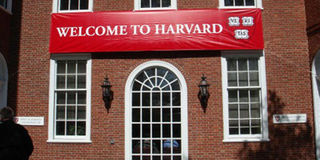
The entrance to one of the buildings at Harvard University.

A former Harvard Medical School morgue manager was sentenced on Tuesday to eight years in prison for stealing and selling organs and other parts of cadavers that were donated to the school for medical research and education.
Cedric Lodge, who managed Harvard's morgue for more than two decades before his 2023 arrest, was sentenced by US District Judge Matthew Brann in Williamsport, Pennsylvania, after pleading guilty in May to transporting stolen goods across state lines.
The wife of the 58-year-old man, Denise Lodge, was also sentenced to one year in prison after admitting to participating in the sale of stolen human remains that her husband obtained through his position at Harvard.


Prosecutors said Cedric Lodge from 2018 through at least March 2020 stole parts from cadavers including heads, faces, brains, skin and hands after they had been used for research and teaching purposes and transported them from Harvard's morgue in Massachusetts to his home in Goffstown, New Hampshire.
Together, the Lodges sold stolen remains to several individuals including two in Pennsylvania, which the buyers mostly then resold, prosecutors said.
They had urged Brann to impose the maximum sentence of 10 years in prison, saying his conduct "shocks the conscience" and was carried out "for the amusement of the disturbing 'oddities' community."
"He caused deep emotional harm to an untold number of family members left to wonder about the mistreatment of their loved ones’ bodies," prosecutors wrote in a court filing, opens new tab.
Patrick Casey, a lawyer for Lodge, did not respond to requests for comment.
In court papers, he had urged the judge to avoid such a "severe" sentence while acknowledging "the harm his actions have inflicted on both the deceased persons whose bodies he callously degraded and their grieving families."
Harvard Medical School in a statement called Lodge's actions "abhorrent and inconsistent with the standards and values that Harvard, our anatomical donors, and their loved ones expect and deserve."
It added that it had "deep sorrow for the families of donors who may have been impacted."
Massachusetts' highest court in October allowed several families to pursue lawsuits against Harvard alleging it mishandled the bodies of their loved ones.