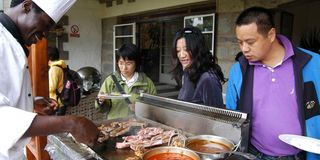
From the bustling markets of Dakar in the west of the continent to the spicy wafts of Zanzibar streets, African cuisine is an intriguing experience that fuses culture, history and identity. However, as the world marvels at Africa’s wildlife and landscapes, it has yet to fully embrace its food delights.
As culinary tourism gains credence globally, Africa has an opportunity to grab. Modern travellers are no longer satisfied with just sightseeing; they seek immersive experiences that connect them to the soul of a destination. What better way to experience Africa than through her food, prepared using centuries-old techniques, infused with indigenous spices, and served with warmth and tradition!
African cuisine is as diverse as the continent itself. Its range is shaped by its climate diversity, cultures and histories. Each dish tells a story of resilience, community and celebration. From the fragrant tagines of North Africa rich with saffron and cinnamon, to the fiery jollof rice of West Africa, the range of foods is a bold cultural statement. In Eastern Africa, willing palates can sample nuggets of staple communal dining in Kenya’s nyama choma (grilled meat) and Ethiopian injera (fermented flatbread) , while Southern African delicacies such as bobotie (spiced meat pie) and Zimbabwe’s sadza (maize porridge) are deeply-rooted in agricultural traditions of the region.
One of Africa’s greatest culinary strengths lies in our organic food systems. Unlike the West, many African communities still grow food without chemicals, using sustainable and traditional techniques. Crops such as millet, sorghum, teff, yams and cassava have nourished generations, offering both health benefits and rich, authentic flavours that industrially processed foods simply cannot replicate.
Visitors are often awed by the striking difference of tastes that define Africa’s organically grown fruits and vegetables. A mango in Kenya, ripened under the African sun, bursts with sweetness unmatched by industrailly grown varieties. Indigenous herbs and spices like the berbere of Ethiopia, or the grains of paradise of West Africa, add unmistakable depth and complexity to dishes, creating an explosion of flavours that lingers long after enjoying the meal.
With a growing global interest in sustainable, organic and authentic food experiences, African cuisine has the potential to become a powerful tourism attraction. Travellers are now seeking farm-to-table experiences, cooking classes with local chefs and opportunities to learn about indigenous food systems. Food festivals, street food tours and agritourism ventures can turn Africa’s culinary diversity into a major economic force, creating jobs for farmers, chefs and food entrepreneurs alike.
Moreover, reviving indigenous food systems can help counter the growing dominance of genetically modified organisms and industrial agriculture to ensure that Africa retains control over its food security while offering healthier and sustainable options.
Our ancestors understood that food is medicine, a philosophy deeply embedded in traditional African healing systems. Indigenous crops are not just nourishing, they are also packed with medicinal properties that have sustained communities for centuries. By embracing seasonal eating and organic farming, Africa will preserve its rich culinary heritage while promoting environmental sustainability and healthier lifestyles.
The path forward is clear: Africa must claim its rightful place on the global culinary stage. Governments, tourism boards and hospitality industries ought to recognise food as a key pillar of tourism marketing and development. Africa’s tourism industry has long been defined by its safaris, terrain and beaches, yet its greatest untapped asset may very well be its food. The world is ready to embrace the flavours, textures, and stories of African cuisine.