Centuries of bad choices have denied African women clean cooking solutions
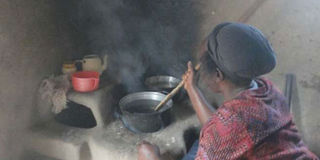
In-door air pollution from wood smoke. Sub-Saharan Africa deaths from household air pollution resulting from cooking with solid fuels remain high despite development gains and improvements in health services.
One of the greatest injustices of our time is unfolding quietly in African kitchens. Every day, millions of Africans cook their meals using polluting fuels like wood, charcoal, and dung. These methods are not only inefficient but also deadly. According to the International Energy Agency’s (IEA) latest report, Universal Access to Clean Cooking in Africa, this silent crisis contributes to over 800,000 premature deaths annually, mostly among women and children. It traps millions in poverty, undermines gender equality, and accelerates deforestation and climate change.
The report rightly highlights that this crisis is solvable. With $37 billion over the next 15 years, or less than 0.1 percent of global energy spending, we could bring clean cooking solutions to every household in Africa by 2040. That investment would save 4.7 million lives, create nearly half a million jobs, and give women and girls back two hours a day for education, work, and rest.