Turning the right to food into reality
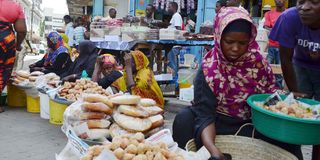
In this file picture, food vendors sell foodstuffs along Biashara Street in Mombasa.
There could hardly be a more meaningful place than Kenya to bring parliamentarians from around the world together to confront one of the defining challenges of our time: ending hunger and malnutrition.
On November 16 and 17, Nairobi will host the Third Global Parliamentary Summit against Hunger and Malnutrition, bringing together leaders committed to advancing the right to food and transforming agrifood systems.
The Summit comes at a time when conflict, climate change, economic instability, biodiversity loss and persistent inequalities continue to undermine food systems. Millions still struggle to access sufficient, safe and nutritious food. Yet hunger is not inevitable. We have the knowledge, technology and experience to make greater progress. What is needed is the political determination to turn opportunities into results.


Parliaments have a critical role in this transformation. While governments negotiate international commitments and organisations such as the Food and Agriculture Organization (FAO) provide evidence and technical support, many decisions determining whether people enjoy their right to adequate food ultimately pass through legislatures. Parliamentarians enact laws, approve budgets, oversee public expenditure and hold governments accountable. They also represent those most affected by food insecurity.
International commitments
The right to food cannot remain a principle on paper. It must become a daily reality. This requires strong legislation, effective institutions, investment in agriculture and nutrition, social protection for vulnerable families and opportunities for women and young people. Parliamentary networks worldwide have demonstrated how legislation can translate international commitments into practical policies on food security, school feeding, family farming and rural development.
Hosting the Summit in Kenya sends a powerful message. The country reflects both the opportunities and challenges facing African agrifood systems. It has considerable agricultural potential but remains vulnerable to climate change. Its dynamic rural economies, growing cities and expanding innovation ecosystem make Nairobi an ideal venue for global discussions on food security and sustainable agriculture.
Africa will increasingly shape global food security. The continent has extraordinary agricultural resources, a youthful population, expanding markets and immense innovation potential. Yet hunger remains a major challenge. Around 309 million Africans experienced hunger in 2025, while more than half the continent’s population faced moderate or severe food insecurity. These figures demand urgency, not resignation.
Africa can become a major global food producer, processor and trader. Achieving this requires moving beyond simply increasing production. Investment in research, irrigation, resilient seeds, soil health, infrastructure, storage, cold chains and digital agriculture is essential. Reducing food losses, expanding agroprocessing and connecting smallholder farmers to markets will also help create sustainable businesses and employment for young people.
Frameworks such as the renewed Comprehensive Africa Agriculture Development Programme, reflected in the Kampala Declaration and the CAADP Strategy and Action Plan 2026-2035, provide a pathway for linking agricultural growth with trade, nutrition, resilience, investment and good governance.
Domestic resources
Financing this transformation requires mobilising domestic resources and using public finance strategically to attract development funding and responsible private investment. Technology must also reach those who need it most. Artificial intelligence, digital advisory services, climate information systems and precision agriculture can improve productivity and resilience, provided small-scale farmers, women and young people are not left behind.
The African Continental Free Trade Area can strengthen agricultural value chains, reduce trade barriers and expand markets for farmers and agribusinesses. However, success depends on strong institutions, predictable policies and effective accountability.
At the heart of this discussion is a fundamental truth: adequate food is not merely a commodity; it is a human right. Success must therefore be measured beyond production figures. We must ask whether children access healthy diets, farmers earn decent livelihoods, women enjoy equal opportunities, and young people see a future in agriculture.
The world does not need another declaration that hunger is unacceptable. It needs implementation. The real test will come after Nairobi: which laws will be strengthened, which budgets redirected, which investments mobilised and which programmes expanded? FAO remains committed to supporting parliaments with evidence, policy expertise and technical assistance. From Nairobi, the message must be clear: ending hunger is possible, but political commitments must translate into laws, budgets, action and measurable improvements in people’s lives.
Follow our WhatsApp channel for breaking news updates and more stories like this.
Maurizio Martina, Deputy Director-General, Food and Agriculture Organization of the United Nations