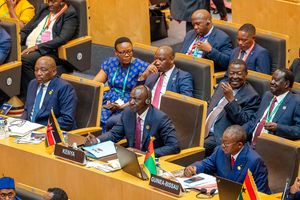
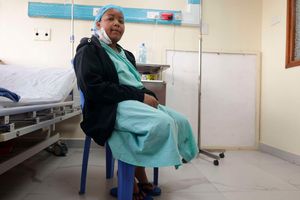
It is sobering to recognise the extent to which many of Africa’s essential social services have depended on development partners.
The recent events are a call to action for governments to prioritize self-reliance, sustainability, and innovation.
Recent political events since the start of this year have created significant headwinds for global climate and development action. The barrage of executive orders, legal threats and regulatory cuts have left many stunned. In January, US President Donald Trump issued an executive order suspending foreign aid, primarily administered by USAid. This unprecedented move - given that USAid is one of the largest development aid agencies in the world - led to massive job losses, and halted essential health and education programs across Africa. Subsequently, other Western nations, including the UK, France, and Germany, reduced their development aid spending.
While these challenges are real and numerous, the economic and scientific case for pursuing climate and development goals, especially for low to middle-income countries, remains an overwhelming priority: On average, African countries are losing 2–5 per cent of Gross Domestic Product (GDP) and many are diverting up to 9 per cent of their budgets responding to climate extremes, and just last week, the US administration withdrew from the board of the UN's climate damage fund dedicated to helping poor and vulnerable countries cope with climate losses and damages.