Kenya is heading into another year of familiar yet increasingly urgent health headlines. Maternal deaths, disease outbreaks, staff strikes and a health system under pressure from climate shocks and rising costs are not isolated events.
Building a healthier country requires a commitment to treating these issues not as separate ‘health sector problems’, but as the governance, economic, equity and resilience failures they are.
Firstly, we must address the issues of maternal health and the high rate of births among adolescents. Maternal deaths and high adolescent birth rates are not simply the result of ‘poor choices’ or ‘late presentation’. Rather, they are symptoms of unequal access to quality care, poverty, unsafe environments, and failing protection systems for girls.
If we are serious about reducing maternal mortality rates in Kenya, we must discuss the economic and social factors that determine whether a woman can afford transport to a clinic, pay for medication, negotiate contraception, or leave a violent partner.
Empowering women economically is healthcare. Income, savings and social protection determine whether families seek early care, eat nutritiously and follow treatment plans. Health equity begins in the wallet as much as in the ward.
Anti-microbial resistance
Another issue that should worry us more than it currently does is anti-microbial resistance. Resistant infections exploit fragile systems: where clean water does not reach homes, where sanitation is lacking, where infection prevention is patchy, and antibiotics are overused or not available in the needed form at the time they are needed.
When antibiotics aren’t working, childbirth becomes risky. Surgery becomes risky. Everyday infections in children can kill. We know who is most vulnerable. It’s young children. It’s older adults. It’s people with weakened immune systems.
Tackling anti-microbial resistance requires a multi-disciplinary approach: water, sanitation and hygiene for prevention; improved diagnostics so we don’t use antibiotics blindly; stewardship in facilities and pharmacies; and procurement systems we can trust to consistently deliver quality medicines.
Climate change is already threatening Kenya’s health system. It’s not a problem for future generations. It’s here. Today. With increasing droughts, floods, displacement, and food insecurity. When natural disasters strike, they destroy infrastructure. They disrupt supply chains. They prevent health workers from reaching the places that need them most.
Climate change worsens the risk of diseases, malnutrition, and mental illness. Healthcare should be considered when Kenya thinks about climate resilience. People’s health could be improved by climate resilience proposals that integrate nature-based solutions, from watershed protection to climate smart land use.
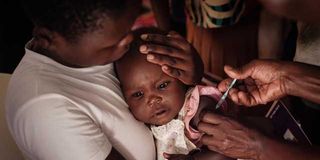
Vaccination gaps can quickly turn into a national emergency. The risk of disease outbreaks increases when communities have lower immunisation coverage. In Kenya, it is crucial that under-immunised communities are prioritised through micro-planning, with decisions being driven by data.
Outreach and mobile clinics are essential for reaching underserved communities in remote areas and urban informal settlements, where people live in close proximity but have uneven access to services. The objective is to ensure that every child is registered with the vaccination programme.
Meanwhile, mental health remains one of the most neglected and misunderstood issues in Kenya. Such conditions are common, under-diagnosed and significantly under-treated. Services are scarce, stigma is rife, and many people only access mental healthcare in a crisis. A health system without mental healthcare is incomplete.
Investing in workforce development, including training in psychological first aid, trauma-informed care and staff self-care, should form part of routine health system strengthening rather than being treated as a special project. Digital and tele-mental health services can extend their reach into underserved communities, but only if they are implemented thoughtfully and with due consideration for privacy, quality and referral pathways.
Additionally, the healthcare workforce is a vital component of any healthcare system. Unsafe workplaces, a lack of support and chronic burnout are causing many healthcare workers to leave their jobs at a time when demand is growing. Our populations are ageing and nurses and doctors are experiencing mental health challenges alongside their patients.
We cannot talk about universal health coverage while neglecting the people expected to deliver it. Retention requires more than just pay. Professionals also need to feel safe at work, be treated with dignity when supervising large patient loads and have functional facilities to do their jobs without experiencing moral injury.
Finally, Kenya should consider the potential benefits and risks of innovation. AI-enabled tools could enhance services, bolster surveillance, streamline administrative processes, and facilitate diagnostics and drug development.
New vaccines and climate-smart solutions could boost our resilience to future shocks and increase productivity, reducing disease burdens and food insecurity. However, without governance that keeps pace with innovation, these technologies could also exacerbate existing inequalities.