A cancer diagnosis in Kenya is rarely just a medical verdict. It is an immediate, catastrophic financial execution. It triggers a frantic, humiliating ritual of survival involving emergency family meetings, desperate calculations, the liquidation of ancestral land, and the begging bowls of WhatsApp fundraisers. Across the republic, thousands of families are subjected to this daily torture, forced to purchase life at exorbitant premiums from a predatory healthcare system that treats illness as a profit centre and wellness as a luxury.
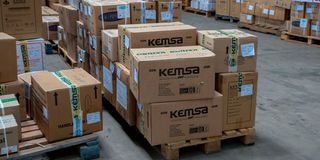
This is precisely why the revelation that Sh377 million worth of vital medicine was left to rot in the warehouses of the Kenya Medical Supplies Authority (Kemsa) does not merely offend — it incenses. The outrage does not stem from the sheer fiscal criminality of the figure, nor from the weary familiarity of yet another state organ mired in rot. The fury is rooted in a brutal, intolerable paradox where these medicines expired in a country where the dying were actively screaming for them.
Among this decayed inventory were cancer therapeutics, Antiretrovirals, and critical life-saving commodities. These were not obscure, low-demand pharmaceuticals sitting idle for lack of a market. They were the literal dividing line between life and a grave. Every single day, cancer patients are forced to postpone chemotherapy because they cannot afford the cost of a single dose. Every day, public hospitals turn away vulnerable citizens with useless paper prescriptions because the pharmacy shelves are barren. Yet, while citizens begged, borrowed, and died, state bureaucrats watched life-saving molecules degrade into toxic waste inside climate-controlled vaults.
We are routinely socialised to view Kenyan healthcare through the sanitising lens of technocratic metrics like budget allocations, procurement frameworks, and audit trail discrepancies. But death and agony do not exist in spreadsheets. They exist in the real world. They are found in the hollow eyes of a mother sleeping on a concrete floor next to her dying child, in the broken dignity of a father selling his legacy for a few cycles of treatment, and in the exhaustion of a patient traveling hundreds of kilometers only to be met by the cold indifference of an empty dispensary.
Life-saving medicine expiring
In Kenya, falling ill is a one-way ticket to structural poverty. Generational savings vanish instantly. Education plans are aborted. Entire households collapse under the financial weight of keeping a single loved one breathing. Against this backdrop of systemic cruelty, the image of life-saving medicine expiring in a government warehouse ceases to be an administrative oversight. It becomes an act of state-sanctioned violence. This is not a bureaucratic glitch. It is an entrenched, historical pattern of institutional malice.
For over a decade, Kemsa has operated less like a medical logistics hub and more like a clearinghouse for cartel enrichment. Audit after audit has flagged the same systemic rot, including dormant stocks, artificially inflated procurement prices, and weaponized inventory mismatches.
Even during the darkest hours of the Covid-19 pandemic — a global cataclysm that should have shocked the conscience of the nation’s leadership — Kemsa distinguished itself by transforming a public health emergency into a feeding frenzy for political elites. While healthcare workers faced a deadly virus wrapped in makeshift trash bags, billions of shillings meant for personal protective equipment were aggressively plundered.
The naïve assumption that the pandemic would catalyse systemic reform has been thoroughly obliterated. If the terror of a global plague could not shame this leadership into basic accountability, nothing will. Years later, the latest Sh377 million debacle confirms that no lessons were learned because no consequences were ever enforced.
Systemic bankruptcy of morality
The most repulsive aspect of this saga is the gaslighting of the public. The state continuously commands Kenyans to tighten their belts, reciting a tired litany of austerity that there is no money, resources are scarce, and public hospitals must endure shortages. Yet, the very same regime can afford to let hundreds of millions of shillings worth of medicine rot in the dark.
This contradiction is not absurd; it is wicked. In healthcare, administrative failure cannot be sanitized as a procedural error. A delayed infrastructure project is an inconvenience, but a delayed drug delivery is a homicide.
The tragedy of Kemsa is ultimately not a failure of logistics, supply chain management, or digital tracking systems. It is a profound, systemic bankruptcy of morality. It is the symptom of a state that is deeply comfortable rationalising mass casualty as a clerical error, and an elite class that views the lives of ordinary citizens as entirely disposable.
The Sh377 million in expired drugs is not a passive accounting loss. It is a monument to state negligence. It represents the pain that was never alleviated, the relief that was actively withheld, and the thousands of Kenyan lives that were casually squandered for the convenience of bureaucratic cartels.
For a country where citizens must still beg on social media to afford basic healthcare, this is not merely a scandal. It is a national disgrace, an indictment of our collective humanity, and a crime against the people of Kenya.