This week, the world marked World Population Day. It was a moment to reflect on the implications of the more than 8 billion people on the planet. The world’s population was 5 billion in 1987. The growing population and rising consumption have put the planet under immense pressure.
This year’s theme, “Empowering young people to create the families they want in a fair and hopeful world,” was timely for Kenya and Africa, where over 400 million young people, between the ages of 15 and 35, are navigating a future that remains painfully uncertain.
By 2050, this number will more than double. And while some frame this as a looming crisis, I believe it is our greatest opportunity, if we invest in it.
Despite having been consistently encouraged to stand up for what they believe in, their courageous acts are often met with violent push-back and institutional resistance. Their defiance, instead of being celebrated, seems to unsettle us. Perhaps because we have grown accustomed to their silence, expecting them to bow to pressure, force, or even violence. Yet they persist. Their boldness calls into question the outdated norms we cling to and reminds us that the times we are living in are drastically different. This generation is not content to inherit broken systems. They are demanding transformation, even if it unsettles the old guard.
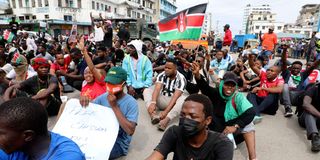
In Kenya, young people have taken to the streets demanding what should be basic rights: economic opportunity, fair taxation, quality healthcare, and education systems that do not fail them. Instead of being met with dialogue and dignity, they have been met with violence and suppression. The images of grieving families, mothers and fathers mourning the loss of children who dared to dream out loud, should haunt every one of us.
Africa’s young people are the engine of our economies, the innovators of our future, the guardians of our cultures, and the protectors of our natural resources. To truly empower Africa’s youth, we must radically rethink our priorities. We must invest in opportunity, not just rhetoric. We must design systems that work for young people, incentivising them to innovate and solve the challenges we face. A government's duty isn't just to support entrepreneurship, it must actively dismantle the barriers that prevent it from flourishing. If innovation is the engine of growth, then policy should be the fuel, not the friction.
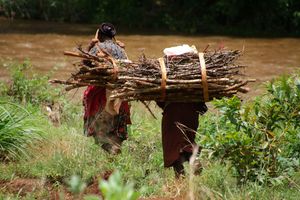
This is the kind of intentional, youth-centred development Africa needs, especially in our rural areas. As I wrote last week on World Rural Development Day, rural areas have a lot of untapped possibility. From climate-smart agriculture to community-led forest-based economies, rural areas could become job creators and innovation hubs if we redirect investment and redesign education for real-world resilience.
History offers useful reminders. In the 1980s, Nigerian entrepreneur Hakeem Belo-Osagie returned home after his studies, drawn by a sense of national promise and the excitement of a growing oil economy. He wasn’t alone. Many Africans studying abroad chose to return, not because they had to, but because they wanted to. There was a feeling of forward momentum. We must ask ourselves: what will it take to create that feeling again? The answer is clear; we must invest in opportunity.
We can learn from global examples such as South Korea, once one of the world’s poorest nations. Today, it is wealthier than Spain and Portugal. That transformation didn’t happen by chance. It was driven by deliberate investments in people, especially youth, and in future-oriented sectors such as green energy, robotics, AI, and biotechnology. The government didn’t just fund infrastructure—it cultivated an ecosystem of ambition. Out of this came, not just economic progress, but cultural exports such as K-Pop and K-Drama that now dominate global markets.
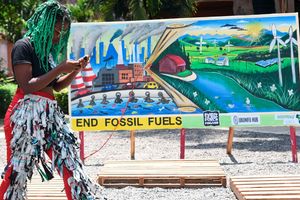
Young people deserve access to capital, training in climate-smart agriculture and clean energy, investment in community-led innovation, and space to lead. Many are already leading: creating tech start-ups, launching social enterprises, re-imagining art and activism. But they are doing so against the current, not with it.
It is education reform that prepares young people for a green and digital economy. It is climate finance that flows directly to local communities and young innovators. It is taxation and governance that are transparent, equitable, and accountable. We must not let this moment slip away. This generation, more connected, more conscious, and more courageous, is not waiting. They are already moving. The question is: will we move with them, or continue to stand in their way?
Ms Mathai is the MD for Africa & Global Partnerships at the World Resources Institute and Chair of the Wangari Maathai Foundation