William Ruto , Kenya’s embattled ringmaster, stands in a circus of his own design, lashing out at shadows while the tent collapses. April 2025 handed him a new low: a pointless battle against the BBC for *checks notes* reviewing footage and seeing exactly what’s on the footage!
Then there were the schoolgirls from Butere Girls High School. Twirling costumes and props in their play Echoes of War
This is not leadership—it is lunacy. This regime’s incompetence carves enemies from every corner—children with scripts, voters with grudges, MPs with doubts, international media houses with spite. When you stoop to fight teenagers over a stage act and news outlets over news, your war is not with foes; it is with sanity, and the scoreboard reads everyone versus you.
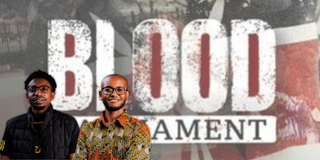
The BBC’s Blood Parliament,
Government spokesman Isaac Mwaura calls it “biased,” claiming the BBC ignored their side. The documentary states (and I know exactly who in this beef I trust): “We repeatedly invited the Kenyan government to participate in this film. They refused.”
And in the event they were not invited, so what? What would Mwaura’s participation have done? Changed the footage? Also, neither were the fallen heroes invited to take part because the government took that from them. I guess everyone’s story was told by a 3rd party then, so suck it up!
MP John Kiarie cries “foreign agenda,” in Parliament. Sidenote: Humanity invented microphones to eradicate the need to shout, so him endlessly shouting into Parliament microphones is an unfortunate redundancy whose “redykyulassness” is only secondary to the content that emanates from the shouting itself.
MP John Kiarie accuses BBC documentary 'Blood Parliament' of pushing British agenda
The government also moved swiftly move to block transmission of the documentary on national TV, which has seen it get to five million views in five days, with community screenings going on across the country.
Ruto raised his rifle, aimed it at the BBC and somehow shot his own foot. Incredible stuff.
This is the abyss of this regime’s incompetence. Schoolgirls wielding costumes are not plotting his downfall, young people calling for justice are not seeking to usurp his rule, news outlets reporting news are not orchestrating a coup.
Yet Ruto’s machine paints them as threats, inflating protests into a massacre, a play into national outrage, and a documentary into a generation’s resistance moment. The documentary’s call for justice could have spurred reform; instead, the ban ensures its echo shakes Kenya. This joins a litany of self-inflicted wounds; a pattern of a regime sculpting foes from its own failures.
Ruto is swinging at ghosts across the board, each jab spawning fresh rivals. The electoral commissioners shortlist sprouts six phantom names, which smells like a 2027 setup. No one is asking who—they are asking why, and the answer is clear: Ruto is not reforming elections; he is reserving the referee’s whistle. Trust, already a casualty of 2022’s vote wars, takes another hit. Instead of building bridges to voters, he is instead burning them, turning ballot hopefuls into cynics who will curse his name even before the polls open.
BBC cancels 'Blood Parliament' screening citing pressure from Kenyan authorities
Every rumour is a new foe, from bloggers to barbers, each born of his own failure to lock the gate. Who is left to hold his flag? Barely anyone.
Kimani Ichung’wah’s voice cracks, often drowned in a sea of jeers; Parliament’s loyalty bends toward self-preservation, not Ruto’s dreams. Raila Odinga’s deal, a lifeline last month, unravels as ODM’s rank-and-file split and sow seeds of discontent. Mt. Kenya, his vote vault in 2022, bolts. The Church, once his amen corner, shuns his envelopes, their silence a verdict. Ministers like Musalia Mudavadi are not allies—they are tenants, ready to skip when rent is due. Ruto is not leading a coalition; he is babysitting a breakup, and the children are packing.
Count the cost. Debt is at Sh10 trillion, a hangman’s noose at 70 per cent of GDP. Youth unemployment is 35 per cent, a mob waiting for a match. X is alive with venom—users brand Ruto a “conman” everyday. He fights cartoonists, snatches voices (82 abductions since June 2024 as per DW), and the latest? Beef with CCTV footage. A steady spiral into hell itself.
This is not vision; it is vertigo, each step tripping him into new battles because his paranoia acts as an endless factory for foes. Can he climb out? Hardly.
His props (rallies and pledges) have a maturity date when people must either see results or conclude that he lied. And with an ever-increasing list of foes, there has never been a shortage of people to fan an anti-Ruto expose.
He is in a difficult economic position that Kenyans two years ago were willing to tough out with him to get past, but his camp’s arrogance, living large and making bold proclamations on their wealth while people go without food closed that chapter.
Ruto’s regime does not just run into rivals; it sculpts them. This not at war with the BBC or schoolgirls—this is a war with logic. Costumes and props do not topple regimes, but his panic most certainly will. He has carved a cast of enemies—children, voters, churches—and starved himself of potential allies on all fronts.
When you fight everyone, you do not rule; you unravel, and Kenya is watching the threads snap.