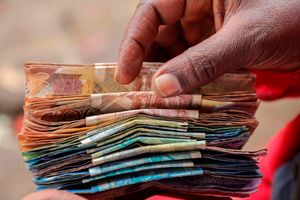
Nobody tells you to shut your mouth, but once you see the invoice for speaking out, you begin to have second thoughts.
Between 2021 and 2026, approximately 1,365 prosecutions and enforcement actions were recorded against people exercising, or suspected of exercising, civic freedoms. The offences ranged from treason, terrorism and subversion to economic sabotage, sedition, criminal defamation, publishing false information, rioting and illegal assembly.
The breadth of these offences, documented in the recently launched Compendium on Civic Space Laws in Kenya, raises a question beyond the guilt or innocence of those caught up in these processes. What kind of political environment brings so many citizens into contact with the criminal justice system for expressing dissent, organising collectively or challenging authority?
Launched by the Civic Freedoms Forum, the Compendium brings together the laws, regulations and policies that shape the space in which citizens, journalists, activists and civil society organisations operate. Its value lies in showing that civic space does not close only when Parliament passes a repressive law. It can also be squeezed through taxation, administrative decisions, intimidation, online harassment and litigation.
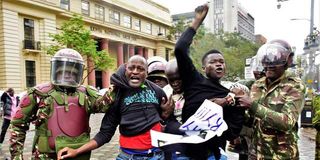
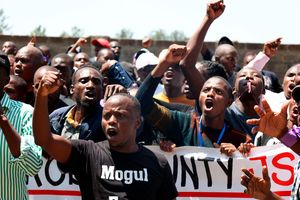
Consider, for instance, the protests against the Finance Bill, 2024. They began with opposition to proposed taxes but quickly became a demand for accountability and a meaningful say in public decisions. On June 25, as the protests reached Parliament, President William Ruto described the events as ‘treasonous’ and spoke of ‘criminals pretending to be peaceful protesters’.
A citizen objecting to taxation is exercising a political right, not renouncing allegiance to the republic. When the language of treason is applied to a protest movement, it blurs the distinction between peaceful dissent and criminal conduct, cloaking the exercise of civic freedoms in the garb of suspicion.
For civil society organisations, taxation presents a separate, more administrative risk. Tax compliance and exemption procedures can impose substantial financial and bureaucratic burdens. Such regulation is legitimate, but it can become a means of choking civic space when applied selectively, unpredictably or to punish organisations for criticising government.
Similarly, registration, licensing, inspections and compliance demands can be applied selectively, making it difficult for independent organisations to operate. The first edition of the Compendium documented attempts to use registration and allegations of financial irregularities against organisations challenging electoral outcomes and demanding accountability. In the 2017 disputes involving the Kenya Human Rights Commission and the Africa Centre for Open Governance, regulatory action and threatened financial scrutiny became part of a wider confrontation. The High Court subsequently quashed the NGO Board’s decision affecting AfriCOG.
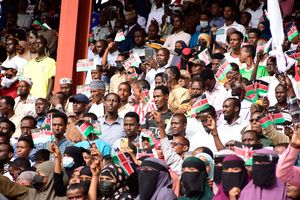
Intimidation does not always arrive dressed in uniform. Organised groups can disrupt meetings, attack activists and make peaceful assembly perilous. The armed gang that attacked activists gathered at the Kenya Human Rights Commission ahead of the 2025 Saba Saba protests illustrated the vulnerability of those defending civic freedoms.
A meeting does not need to be banned if participants are afraid they will be beaten. A demonstration does not need to be prohibited if people expect to be attacked. Violence can police public space without the necessity of an official prohibition.
The contest has also moved into the phones citizens carry. Social media has enabled people to bypass traditional gatekeepers, expose wrongdoing and organise. It has also become a convenient place to discredit critics, circulate falsehoods, threaten activists and drown out inconvenient voices.
Sponsored political bloggers, coordinated trolling and networks of paid accounts can make dissenters appear isolated, unpopular or disreputable. The point is to make speaking costly, damage the speaker’s credibility and ensure that the message arrives buried under a flood of abuse.
The courts offer protection, but they are also increasingly becoming a theatre of struggle. Seeking refuge in court, unfortunately, carries its own costs. Organisations need money, lawyers, time and stamina. Individuals facing criminal proceedings must bear the financial and psychological burden of defending themselves, sometimes for years, before guilt or innocence is established.
Journalists, whistle-blowers and activists can be deterred by expensive proceedings intended to exhaust their resources or silence criticism. Even when they win, the process itself will have served as sufficient punishment. Courts are indispensable because power needs limits, but rights that can only be secured by those who can afford to litigate are not equally available.
The real effectiveness of these methods lies in their ability to reinforce one another. An organisation may face regulatory scrutiny as its leaders are attacked online. A protest may be followed by arrests, surveillance and prosecution. Activists threatened by organised groups may have to navigate a criminal justice system that demands resources simply to establish the truth. The result is a steadily rising price for civic vigilance. Citizens are forced to count the cost of speaking out before they open their mouths.
Despite these difficult circumstances, Kenyans continue to organise, document abuses, go to court, protest and demand answers. That persistence is a measure of the effort required to keep civic space open.
Kenya’s Constitution was designed to break with arbitrary government, disperse power and place citizens at the centre of public affairs. Yet the laws, administrative practices and political methods that constrict civic space undermine the very conditions in which constitutional freedoms can be enjoyed.
The approximately 1,365 documented prosecutions and enforcement actions invite a question about the gap between constitutional promise and political practice. How many citizens must encounter the machinery of criminal justice before the country examines the conditions that bring them there?
A progressive and transformative Constitution cannot defend itself. It lives when citizens use it and when institutions respect the people who do. The price of disagreement is not an unfortunate consequence of democracy. It is the cost imposed when power mistakes dissent for disloyalty.
The writer is a board member of the Kenya Human Rights Commission and writes in his individual capacity. @kwamchetsi; [email protected]