Kenya's fuel import bill hit a new record of Sh122.35 billion in May, making mega shipments weeks after top officials in the oil sector resigned amid accusations of manipulation of fuel stocks data.
The value of petroleum imports more than doubled from Sh53.08 billion in April, with volumes of shipments being the key driver of the surge in imports costs.
Kenya Revenue Authority data published by the Kenya National Bureau of Statistics show May's fuel import bill was unprecedented, exceeding the Sh45.33 billion a year earlier by 169.9 percent, or Sh77.02 billion.
EPRA data show the landed cost of super petrol rose 10 per cent between March and April to $906.23 from $823.87 per cubic metre, before falling 0.56 per cent to $901.16 in May
The cost of diesel prices when they landed at the Port of Mombasa rose 20.32 per cent to $1,291.71 per cubic metre in April from $1,073.82 a month earlier, before falling a marginal 0.21 per cent to $1,291.71 in May.
The modest changes in landed prices of fuel indicate the record import bill in May was unlikely to have been driven primarily by higher international prices, pointing instead to larger fuel purchases.
This bill came a month after three senior energy officials resigned following allegations of manipulation of fuel stock data and irregular procurement of an emergency cargo.
Principal Secretary for Petroleum Mohamed Liban, Kenya Pipeline Company managing director Joe Sang and Energy and Petroleum Regulatory Authority (EPRA) Director-General Daniel Kiptoo Bargoria resigned on April 4 after being implicated in the unfolding scandal.
The resignations followed their arrest two days earlier after President William Ruto raised concerns over possible manipulation of domestic fuel stock data, prompting the government to order a full inquiry into the management of petroleum supplies.
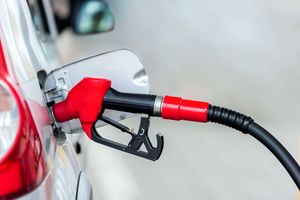
Kenya's fuel import bill hit a new record of Sh122.35 billion in May
Photo credit: Nation Media Group
Head of Public Service Felix Koskei said investigations pointed to the misrepresentation of fuel stock levels, leading to the irregular procurement of emergency fuel cargoes outside the government-to-government (G2G) supply framework.
“This manipulation appears to have been designed to take advantage of rising global fuel prices and public anxiety, creating a false impression of an impending supply shortage,” Mr Koskei said at the time.
They are yet to be charged in court. Daily Nation sought on Friday comment from Energy and Petroleum Cabinet Secretary Opiyo Wandayi as well as EPRA’s acting director-general Joseph Oketch and director for Petroleum and Gas Edward Kinyua on the record fuel import bill and whether it reflected higher cargo volumes under the government-to-government arrangement. They had not responded by the time of publication.
The record May figure also marked the first time monthly fuel imports overtook industrial supplies such as chemicals, metals and raw materials used by manufacturers, which have consistently been Kenya's largest import category over the years.
Industrial supplies stood at Sh99.85 billion in May, leaving petroleum ahead by Sh22.5 billion and reversing a pattern that had persisted through volatile oil markets, currency swings and the introduction of the government-to-government fuel supply programme.
Between May 2022 and April 2026, for example, industrial supplies topped the import bill every month, even during periods when global oil prices surged following Russia's invasion of Ukraine.
The closest petroleum came to overtaking industrial supplies before May this year was in October 2023, when fuel imports reached Sh71.18 billion against Sh76.77 billion for industrial supplies, leaving a gap of about Sh5.6 billion.
Kenya, like many African countries, relies heavily on fuel imports from Gulf producers through government-to-government supply arrangements, exposing the economy directly to geopolitical tensions in the Middle East.
The latest spike followed the conflict involving Iran, Israel and the United States, which began on February 28 and heightened fears over oil shipments through the Strait of Hormuz, the waterway through which about one-fifth of global oil supplies pass.
Although international crude prices later eased, the conflict disrupted supply chains, increased freight and insurance costs and injected fresh uncertainty into global energy markets, with the effects filtering into Kenya's petroleum supply chain.
Kenya imports refined petroleum products since the closure of Kenya Petroleum Refineries Ltd in September 2013.
The peak monthly import bill in May coincided with successive increases in pump prices that pushed diesel and petrol to their highest levels on record, piling pressure on households, businesses and public transport operators who were already grappling with elevated operating costs.
Diesel rose from Sh166.54 a litre in the March 15-April 14 pricing cycle to Sh206.84 in the April 15-May 14 review before climbing to a record Sh232.86 in the May 15-June 14 cycle.
Petrol increased from Sh178.28 a litre to Sh206.97 over the same period before reaching a record Sh214.25 a litre.
EPRA says monthly fuel prices are based on the landed cost of petroleum cargoes discharged at the Port of Mombasa between the 10th day of the previous month and the ninth day of the current month.
The pricing mechanism creates a 30- to 45-day lag between movements in international fuel markets and local pump prices, reflecting the time needed to procure, ship and discharge cargoes before they are factored into the monthly review.