Lawmakers have lifted the seven-year freeze on new power purchase agreements (PPAs), paving the way for new plants to avert a looming electricity generation crisis.
MPs voted by acclamation last evening to adopt the proposal by the parliamentary Committee on Energy for lifting the moratorium that has been in force since 2018.
Kenya is tinkering with the electricity generation crisis due to the freeze on new PPAs, forcing the country to turn to Ethiopia and Uganda to avert power rationing.
Kenya Power has not signed any new PPA since 2018, after a presidential task force called for a moratorium to allow a review of existing deals amid concerns of steep prices from power producers.
The freeze led to a stagnation in new local power generation capacity, increasing Kenya’s reliance on imports amid cases of power rationing, a scenario that Kenya Power and the Ministry of Energy have warned is risky.
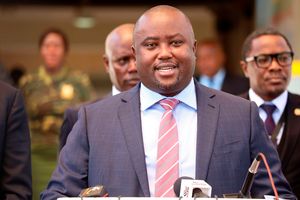
“As leaders, we have a responsibility to adopt this addendum. As we promised the private sector, we are now addressing the matter,” said Majority Leader Kimani Ichūng’wah last evening.
National Assembly Majority Leader Kimani Ichung’wah.
Photo credit: File| Nation Media Group
MPs have, however, placed new conditions on the new PPAs, such as capping wholesale prices at $0.07 (Sh9.04 at current exchange rates) per kWh, besides allowing the deals to be denominated in Kenya shillings or dollars.
Capping of the wholesale prices is key to lowering the cost of consumers, thus easing operational costs on businesses and power bills on households.
The Cabinet had lifted the moratorium in 2023, but MPs reinstated it, saying they needed more time to review the current PPAs.
Kenya Power has been forced to ration electricity mostly in western Kenya amid a fast-rising demand, even as the country deepens its reliance on Ethiopia and Uganda to shore up its electricity supply.
The share of imported electricity in the national grid more than doubled to 10.6 percent or 1.53 billion kilowatt-hours (kWh) in the year ended June 2025, up from 4.87 percent in June 2024 and one percent in 2021.
However, the increased imports have failed to completely avert rationing, with President William Ruto recently admitting that Kenya Power is now cutting off electricity supply to some areas between 5pm and 10pm due to supply shortfall.
Peak demand for electricity—the time when energy consumption is at its highest point— grew by 243 megawatts between 2022 and August this year, while local generation has increased marginally due to the freeze on new PPAs.
Expensive PPAs is one of the major reasons behind the freeze of the new deals, a hitch that lawmakers said would be solved through the capping of wholesale prices at $0.07 per kWh.
Kenya Power CEO and Managing Director Dr Joseph Siror when he appeared before the Public Investments Committee on Commercial Affairs and Energy at the Continental House Nairobi on July 9, 2025.
Photo credit: Dennis Onsongo | Nation Media Group
Lifting of the freeze comes barely days after Dr Ruto said that the freeze has continued to hurt Kenya’s efforts to ensure adequate local generation of electricity.
Kenya Power CEO Joseph Siror and the Ministry of Energy had pleaded with MPs to lift the freeze and allow new plants to be onboarded and lift local generation of electricity.
Dr Siror had said that Kenya could be exposed if a major drought hurt hydropower generation in Ethiopia and Uganda.