In 2009, Kenya’s Ministry of Agriculture banned export of unprocessed macadamia and cashew nuts to build local processing capacity and create jobs.
The policy required processors to buy all farmers’ produce locally, aiming to retain value addition within the country. Seventeen years later, the sector has expanded from five processors to more than 30, but farmers say the benefits remain uneven.
While prices peaked at Sh200 per kilo in 2019, current rates have dropped to as low as Sh30, leaving many farmers with losses and unsold stocks. Some growers in key producing counties have delayed harvesting, fearing theft and further price declines.
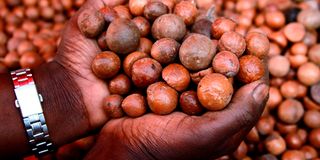
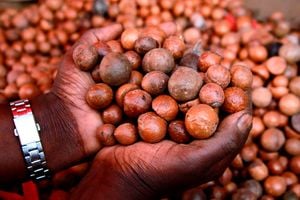
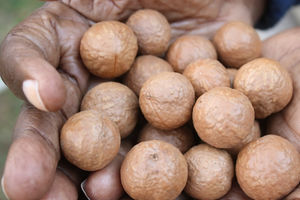
A farmer sorts macadamia nuts at his home in Ichamaara village in Nyeri County.
Photo credit: File | Nation Media Group
Farmers are now urging the government to reopen the export market to allow them to clear accumulated stocks and access better prices abroad.
The export ban has only been temporarily lifted twice, in 2016 and 2024, when farmers were allowed to sell directly to foreign buyers.
The Ministry of Agriculture has set a minimum farm-gate price of Sh100 per kilo, but enforcement remains weak due to the influence of brokers in the value chain. Farmers argue that the pricing framework has not protected them from exploitation.
Nyeri farmer Joseph Mwangi said growers bear the highest production risks yet remain disadvantaged in pricing decisions. He said policy should reflect open market forces rather than prioritising processors.
Mr Mwangi added that job creation arguments should not be used to restrict access to international markets. According to him, farmers deserve competitive pricing driven by demand and supply.
The remarks were made during a Macadamia Association of Kenya forum in Nyeri focused on crop husbandry and global market opportunities.
Kirinyaga Senator Kamau Murango, who also grows macadamia, criticised the export restrictions, saying they are applied selectively to only a few crops. He argued that farmers have not been given clear justification for the policy.
He has proposed amendments to Section 43 of the Agriculture and Food Authority Act to allow export of in-shell nuts, but says the effort has faced resistance in Parliament. He plans to reintroduce the proposal in the House.
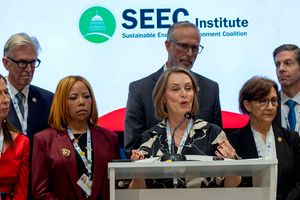
Kirinyaga Senator Kamau Murango.
Photo credit: File | Nation Media Group
Senator Murango also faulted the government for inadequate support services, including lack of extension officers and input subsidies for macadamia farmers. He said enforcement of export restrictions during harvest seasons disadvantages growers.
The Senator proposed a quota system that would allow partial export of unprocessed nuts while maintaining local processing. He also accused cartels of exploiting the ban through illegal exports routed via neighbouring countries.
Farmers in Nyeri also blamed processors for relying on brokers instead of buying directly from growers, reducing transparency in pricing.
Macadamia processors, however, defended the system. Macadamia association chairman Pally Muthathai said processors cannot directly engage every smallholder farmer and instead encourage formation of cooperatives.
He said processors have adhered to the government-set minimum price but logistical challenges make direct farm-level buying impractical. He urged farmers to organise into groups to strengthen bargaining power and improve access to credit facilities.
Ten Senses Africa head of field operations Stephen Kioko said processors have capacity to absorb up to 60 million kilograms but warned that quality issues affect purchases. He urged farmers to avoid harvesting immature nuts.
Agriculture Cabinet Secretary Mutahi Kagwe has directed processors to comply with the Sh100 per kilo minimum price, warning that failure could lead to reopening of export markets.
Kenya’s macadamia production has grown steadily over 15 years to between 50,000 and 60,000 metric tonnes annually, making the country the world’s third-largest producer after South Africa and Australia.