Dr Brian Mwaura receives VOYA Award from Agriculture Cabinet Secretary Mutahi Kagwe on December 6, 2025, at the Hyatt Regency Hotel in Westlands, Nairobi.

The mention of a veterinary doctor invokes the image of a person in gumboots, overalls or aprons on the farms dealing with sick animals and those that need to be bred. I was once asked by a farmer if veterinary doctors ever have any occasion to wear formal attire like suits.
The answer that time was yes, many times. Today, it is even a stronger yes. A veterinary doctor is a professional like any other. They dress according to the requirements of the task or activity at hand.
There are many veterinary doctors who work in non-animal practice areas such as teaching in universities and colleges, veterinary leadership and governance such as regulatory bodies and marketing and distribution of veterinary and human health inputs such as drugs and laboratory commodities. There are also those in research organisations and business management. Majority of those working in these areas are required to dress in formal clothing.

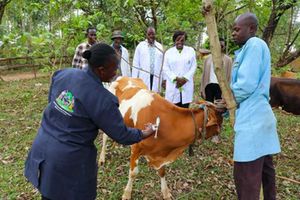
Paravets and government administrators during a meeting in Gaturumbari village, Meru County on January 17, 2020 after a quack administered fake vaccination to 100 cows.
Social activities also give a veterinary doctor the opportunity to dress like any other person. Then there are professional activities when the vets come out in their best attire. These include conferences, technical and other meetings.
Saturday, December 6, 2025, was a memorable day for Kenyan veterinary doctors and the Cabinet Secretary for Agriculture and Livestock Development, Mutahi Kagwe. The Kenya Veterinary Association (KVA) held its annual Veterinarian of the Year Awards (VOYA) Ceremony for 2025.
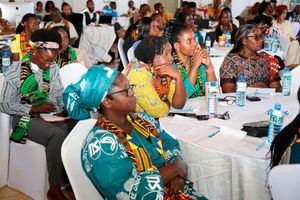
The doctors came in their best dinner attires. The theme was ‘earth tones'. These are colours that match natural materials and landscape. In my many years of attending functions, I have never seen the palette of colours I encountered that day.
The vets came in any colour you can imagine on the farms, in the bush, in the sky, in the laboratories and among animals. The scene reminded me of the bloom of the Savannah plants during the rainy season with wildlife and livestock enjoying the bounty of food that nature readily provides. The doctors came in many shades of blue, green, orange, brown, grays, yellow, purple and maroon. Smiles, confidence and happiness radiated abundantly on the close to 400 vets who had attended the event.
When the guest of honour, Mr Mutahi Kagwe, rose to speak, he was visibly excited. He said he never thought the vets he always encountered on his farm were the same ones at the event. It was an event he would remember for a long time.
KVA hosts VOYA every year to thank the organisation’s members for maintaining the Kenya Veterinary Association and to award veterinary doctors who had excelled in specified areas of the veterinary profession.
The KVA membership nominates outstanding veterinarians for various award categories. The KVA leadership, through a vetting committee, reviews the nominees after they present support documents for their work. KVA members then vote for the shortlisted nominees. The voting comprises 20 percent of the total score for each nominee. Winners are then announced and awarded at the VOYA Dinner. The 2025 dinner was at the Hyatt Regency Hotel in Westlands.
Diverse categories
VOYA 2025 had 10 categories and each produced one winner. The awards categories traversed age, subject areas of veterinary practice, standards of veterinary practice, nature of veterinary practice, whether corporate or individual, and commitment to the veterinary profession.
Two attributes of the awards that I found impressive is that there was evident recognition of young and old people in the award categories. There was the Young Veterinarian of the Year Award and the Vet Student of the Year Award to specifically cater for the youth. The Lifetime Achievement Award was reserved for veterinary doctors 60 years and above to honour the old practitioners.
The second attribute I observed was the fairness of the process and outcome. It naturally represented the diversity of the people of Kenya by ethnic origin. It reminded me that if we in Kenya allowed merit, equity and equality to govern our socioeconomic development, our nation would be very progressive. Kenyans would live in peace, harmony and integration.
Among the other seven award categories was the Animal Welfare Award. It recognised a young veterinarian of outstanding achievement in advancing animal welfare through leadership, public service, education, research, product development or advocacy.
The Veterinary and Research Award recognised a veterinary doctor for their lifetime achievement in academic and research work. Such a person should have had significant and lasting impact through university teaching, supervising and mentoring students and outstanding contribution to basic, applied or medical research.
There was the Community Service Award. It honoured a veterinarian or veterinarians who had made outstanding contributions to communities through service, outreach or volunteerism and created positive impact on society and the lives of individual people and animals.
Veterinarians who have brought distinction and honour to the profession, through exceptional contribution beyond the traditional scope of recognized veterinary medical practice, were awarded the Meritorious Service Award. The award acknowledged and celebrated impactful contributions that highlighted the power of innovation, outreach using digital and conventional media, and veterinary service to shape the future of veterinary medicine and strengthen its connection with the public and industry.
The Branch of the Year Award was given to a KVA branch that had demonstrated exceptional performance, commitment and societal impact over the past year. KVA has over 10 branches spread out in the country or addressing a specific segment of the profession or gender. The Kenya Women Veterinary Association (KWVA) for instance is a branch of Kenya women veterinary doctors. One of its objectives is to empower women by encouraging the Kenyan girl child to study veterinary medicine.
Individuals who had excelled in leadership, dedicated themselves to advancing the veterinary profession, animal health and welfare were given the Veterinarian of the Year Award.
And finally, there was the Clinic of the Year Award. The category recognised and honoured a veterinarian or team of doctors who had demonstrated outstanding veterinary medical service. The recipient would have consistently delivered high quality, compassionate care that meets the needs of the animals while providing exceptional client service. The nominees were evaluated based on the overall impact of their work within their local community, as well as their commitment to mentoring and supporting the next generation of veterinary professionals.
The last category made my day. Our clinic, Garden Veterinary Services Ltd, was announced the winner. It was an ecstatic feeling as my colleague Dr Mwikali and I went up the podium to receive the award. This was double joy. At the beginning of the announcements, we had celebrated Dr. Brian Mwaura for winning the Young Veterinarian of the Year Award. He is one of our professional mentees. He rides a motorbike round the whole country, educating people on animal health and welfare.
Follow our WhatsApp channel for breaking news updates and more stories like this.