Hello

Your subscription is almost coming to an end. Don’t miss out on the great content on Nation.Africa

Ready to continue your informative journey with us?

Hello

Your premium access has ended, but the best of Nation.Africa is still within reach. Renew now to unlock exclusive stories and in-depth features.

Reclaim your full access. Click below to renew.

Pay slip
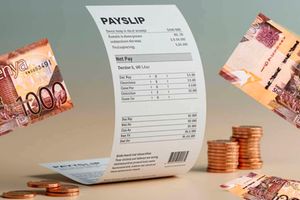
Caption for the landscape image:

SHIF, housing levy reforms cut income tax by Sh32bn

Scroll down to read the article

A new report from the National Treasury reveals that the Kenya Revenue Authority (KRA) missed its income tax collection target by Sh32.1 billion in the financial year ending June 2025.

Photo credit: Shutterstock

The decision to stop double taxation on housing and social health insurance levies contributed to a shortfall in the collection of income tax by Sh32.1 billion by the Kenya Revenue Authority (KRA) in the financial year ending June.

The National Treasury says in a new report that collection of income tax —which includes pay as you earn (PAYE) paid by regular workers and corporate income tax levied on businesses' profits— fell short of its target of Sh1.125 trillion as KRA collected Sh1.093 trillion in the fiscal year ending June 2025.

Beginning in December last year, deductions towards the housing levy, the Social Health Insurance Fund (SHIF), and post-retirement medical funds were not going to be taxed twice.

Before that, even after deducting these statutory contributions from the gross salaries of employees, KRA still subjected these amounts to PAYE, increasing the tax liability of employees.

However, this was cured in the Tax Laws (Amendment) Act, 2024 which came into force on December 27,last year.

"The performance of PAYE was adversely affected by private sector’s non-payment of annual bonuses in June 2025; the application of tax refunds by large taxpayers to offset current PAYE tax liabilities by a number of firms; and impact of policy change (adjusting SHIF and Housing Levy from a relief regime to allowable deductions before tax computation),” reads the 2025 draft Budget Review Outlook Paper (BROP).

A bonus payment drought by large corporations that was blamed for the larger shortfall in the previous fiscal year continued to be a drag on the performance of income tax in the review period, Treasury said in the draft 2025 Budget Review and Outlook Paper (BROP).

The largest shortfall in income tax was on "other income," in which the KRA missed its target of Sh558.56 billion by Sh26.03 billion. This income tax category includes corporate income tax levied on the profits made by businesses.

PAYE collection fell short of the target by Sh6.1 billion, pointing to poor earnings by permanent employees.

However, the income tax collection shortfall was an improvement from the previous financial year when the KRA missed the target by Sh49.88 billion, with the Treasury attributing this to low PAYE remittances by the public sector due to delayed exchequer disbursements to various government entities.

Non-payment of bonuses by various firms was also blamed for the low collection of income tax.