Kenya, Tanzania team up on El Niño preparedness
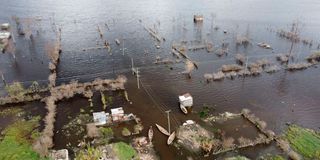
An aerial view of submerged houses in Mwariki village in Nakuru County on September 12, 2026. Residents of this village have started moving for fear of their houses and farms being submerged by waters of Lake Nakuru when El Nino rains begin.

If you live next to a river, the Water CS has a warning: expect it to rise higher than normal when the El Niño rains hit.
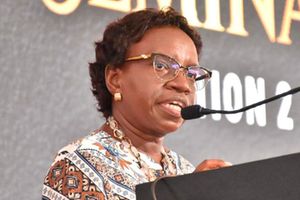
Erick Mugaa said this at the Mara Day celebrations, a day about a river that Kenya and Tanzania share. Tanzania's Tarime District Commissioner, Major Edward Golowe, told the same event in Bomet that the Mara is already in trouble. He said silt from human activity upstream has pushed it off course downstream, and more rain will hit families on both sides of the border.
"The Mara River is a shared resource and a rise in the water volume affects families living upstream and downstream," Golowe said. He said the two countries need to prepare together for the El Niño rains.


Mugaa said Kenya is working with the East African Community (EAC) and the Lake Victoria Basin Commission (LVBC) on its response.
“We are working with the EAC and LVBC in El Niño preparedness with the clear indication by the experts that we are set to face higher rainfall,” Mr Mugaa said.
Mugaa said the government is working with communities to desilt dams and raise awareness among people living along rivers, and is monitoring changing weather patterns. He said the government has gauging stations across most of its catchments, with real-time data from upstream and downstream points. That data, he said, helps officials tell communities to be cautious or move to higher ground.
"We have monitoring stations with real-time data upstream and downstream of the rivers and valleys which help us advise communities to be cautious or move to higher ground," he said.
He said these measures have already let the government predict spillage from dams and act to protect lives and property. The National Disaster Operations Centre has been brought in to prepare strategies for dealing with the rains, while the Ministry of Water, Sanitation and Irrigation is desilting colonial dams.
Mugaa also urged people to harvest rainwater for commercial and domestic use. That would cut the runoff flowing downstream and clogging drains both upstream and downstream.
" The government has gauging stations in most of our catchment to monitor the flow of water in our rivers. We have monitoring stations with real-time data upstream and downstream of the rivers and valleys which help us advise communities to be cautious or move to higher ground,” Engineer Mugaa said.
He said the government, as a result of the measures put in place, was able to predict the spillage in dams and take appropriate action to curb loss of lives and property.
“The National Disaster Operations Centre has been roped into preparing strategies to support efforts for all Kenyans to deal with the effects of the El Niño rains while the Ministry of Water, Sanitation and Irrigation desilting colonial dams,” Engineer Mugaa, said.
The Kenyan government has however been accused of engaging in mere talk with no tangible action being taken on the ground.
“We have not seen measures taken by the government, including building of gabbions, improving the state of footbridges and opening up drainage in preparation for the expected high rainfall. All we see is senior government officials engaging in unending talks in media outlets and less in public forums,” Mr Charles Tonui, a political commentator said.
Mr Tonui said, “Some schools in the country have pit latrines that are prone to overflowing or collapsing during rainy seasons, yet no action has been taken by the government so far.”
Follow our WhatsApp channel for breaking news updates and more stories like this.