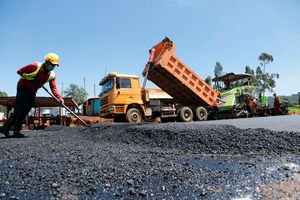
Nairobi, Kiambu and Mombasa are among seven counties where doing business with the government has become a nightmare for contractors and suppliers, some of whom have waited more than three years to be paid, a new report has revealed.
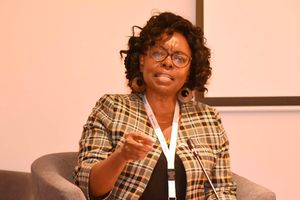
The audit report by Controller of Budget (CoB) Dr Margaret Nyakang’o shows that most pending bills in these counties have remained unsettled for over three years, effectively making it crippling to do business there.
The Controller of Budget Margaret Nyakang'o.
Photo credit: Dennis Onsongo | Nation Media Group
Alongside Nairobi, Kiambu and Mombasa, the other counties with the longest-running debts are Machakos, Wajir, Nakuru and Bungoma.
Pending bills have become a national crisis, hurting businesses at both county and national levels. Families of some suppliers who died by suicide blame mounting debts and pressure from lenders, while others have been forced to close shop after years of non-payment.
On the flip side, Baringo, Elgeyo Marakwet, Kericho, Lamu, Makueni, Nandi, Turkana and West Pokot have no debts older than two years, making them outliers for promptly paying contractors and suppliers.
Nationally, debts older than three years account for nearly half of the total pending bills—Sh85.4 billion out of Sh176.8 billion.
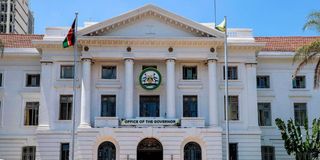
Governor Johnson Sakaja’s Nairobi County leads with Sh62.38 billion in bills pending for more than three years. Despite the backlog, City Hall continues to pile up new arrears, with Sh12.6 billion accumulated in the past year alone.
Neighbouring Kiambu County owes contractors Sh3.8 billion dating back more than three years, and another Sh2.27 billion incurred in just one year under Governor Kimani Wamatangi’s administration.
In Mombasa, Governor Abdulswamad Nassir has inherited Sh3 billion worth of old debts, while new bills of Sh777.8 million have been added within a year.
Machakos, under Governor Wavinya Ndeti, has Sh2.3 billion in debts pending for over three years out of a staggering Sh6.73 billion total, while also accumulating an additional Sh2.56 billion in under a year.
In Wajir, Sh1.65 billion of its Sh3.7 billion pending bills are more than three years old. Ironically, the county is led by Governor Ahmed Abdullahi, the chair of the Council of Governors, yet its debt portfolio has ballooned by over Sh2 billion in less than a year.
Bungoma has Sh1.09 billion worth of debts older than three years, nearly a third of its Sh3.6 billion total pending bills. In the last year alone, Sh1.62 billion more has been added.
Governor Susan Kihika’s Nakuru County owes more than Sh1 billion in debts that have remained unpaid for over three years.
The report paints a grim picture of worsening financial indiscipline in devolved units. In total, counties accumulated Sh48.8 billion in new pending bills within the last financial year.
By law, counties are required to prioritise settling all eligible pending bills at the start of every fiscal year. Regulation 55(2)(b) of the Public Finance Management (County Governments) Regulations, 2015, explicitly makes payment of pending bills a “first charge” on budgets.
However, with pending bills dating back over 10 years, the crisis has now become entrenched. The arrears cover a wide range of obligations, including goods, services, works, salaries, court awards, legal fees, on-lent loans, and even human-wildlife conflict compensation.
Small businesses remain the hardest hit, grappling with cash flow challenges as they continue to wait for payments that may never come.