Doctors' warning: Unusual craving for non-food items may indicate severe iron deficiency
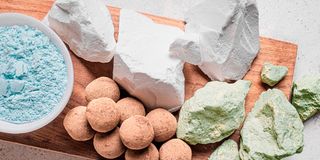
Clay, stones and powder craved by those suffering from iron deficiency anaemia.

What you need to know:
- Iron deficiency anaemia remains underdiagnosed in Taita Taveta, with cultural beliefs, poor supplement compliance, and inadequate diet worsening the crisis.
- Experts recommend alternative-day iron supplementation, household nutrition education, and male involvement in meal planning to improve outcomes.
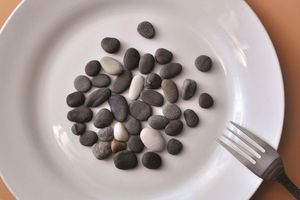
People who find themselves irresistibly drawn to eating substances not typically considered food, such as ash, plastic, soil, soap, or stones (udongo in Swahili), may be suffering from more than just a peculiar craving. This behaviour, known in medical terms as pica, is a red flag for a serious nutritional deficiency, with a strong link to iron deficiency anaemia, particularly among vulnerable groups.
Medics warn that the condition, caused by a lack of iron needed to produce haemoglobin, the oxygen-carrying protein in red blood cells, remains both widespread and dangerously underdiagnosed and undertreated. Iron deficiency anaemia presents a wide range of symptoms, many of which are often overlooked or misattributed to other conditions.
Dr Rebecca Mwakichako, a haematologist at Moi County Referral Hospital in Voi, Taita Taveta County, says one of the most striking indicators she encounters is pica, where patients have a compulsive craving for non-food items. This behaviour, often dismissed as a harmless habit, especially among pregnant women, is a clinical indicator of iron deficiency anaemia.
She said that such symptoms, when combined with lab results and patient history, often confirm the diagnosis. “They tell you that they have a desire to eat some funny things. They say they want to take ash, plastic, soap, soil or udongo. Those are some of the things that can tell you this is probably an iron deficiency, and when you look at their lab results, you confirm indeed it is,” she said.
While fatigue is the most common complaint, patients also report dizziness, headaches, blurred vision, and even fainting spells. These symptoms stem from the body’s inability to transport enough oxygen to vital organs because of low haemoglobin levels. Dr Mwakichako noted that iron deficiency can also affect mood and mental clarity, with some patients becoming irritable or struggling to concentrate. This is particularly concerning for schoolchildren and working adults whose performance may be compromised.
Physical signs such as hair loss, brittle nails, and skin changes, especially sores around the mouth and tongue, are also common. In women, these symptoms are sometimes dismissed as cosmetic issues rather than indicators of a deeper health problem. “Depending on the severity of their symptoms, patients will say they’re just tired, tired when walking up a hill, tired while doing daily chores. Some experience dizziness, headaches, blurred vision, or even fainting,” she said.
Beyond the clinical symptoms, Dr Mwakichako says cultural beliefs and fear often complicate the diagnosis and treatment of the condition. Some patients attribute the condition to supernatural forces, believing that a spirit is draining their blood. She adds that others arrive at the clinic gripped by fear, convinced they have cancer because their blood levels are low.
“A lot of superstition surrounds blood disorders. I have had patients tell me, ‘Kuna jini inaninyonya damu (a spirit is sucking my blood).’ Others come in tears, thinking they have cancer, only for us to find it’s just severe iron deficiency or severe combined deficiency anaemia. Once we treat them, they recover fully,” she said.
Dr Mwakichako has been at the forefront of tackling iron deficiency anaemia since launching the haematology clinic at the Moi County Referral Hospital in Voi in January. Her clinic has seen a steady stream of patients, many of whom are children, pregnant women and others in their reproductive years. Since February, 43 patients randomly screened at the facility have been flagged with abnormal parameters indicative of iron deficiency anaemia.
Dr Mwakichako noted that the rise in cases at the facility may be due to increased screening. She said the primary populations most at risk are infants, particularly those from low socioeconomic backgrounds, pregnant women, women with prolonged menstrual bleeding, which is often due to conditions like fibroids and adolescents. She has also observed iron deficiency in young boys and men, where the condition raises alarm bells for potential underlying issues like gastrointestinal bleeding or tumours.
Untreated iron deficiency anaemia in pregnancy increases the risk of premature birth, low birth weight, and delivery complications. Also, babies born to anaemic mothers may face developmental delays, weakened immunity, and stunted growth. “Pregnancy increases the body’s demand for iron. If a woman enters pregnancy with already low iron stores, she is at high risk of developing severe anaemia,” Dr Mwakichako said.
Despite the scale of the problem, access to diagnostic tools, especially in Taita Taveta, remains limited. Although the testing of ferritin, which measures the body’s iron stores, is important, Dr Mwakichako says the test is not available at the Moi County Hospital. “It is a crucial test, but it is not available in most public hospitals. Patients have to go to private laboratories, where it costs between Sh2,000 and Sh3,000. That is out of reach for many,” she said.
Dr Mwakichako called for investment in both preventive and curative care, highlighting the need for affordable diagnostic tests, a steady supply of supplements, and enhanced training for health workers. To manage the condition, she said, emerging research shows that taking iron supplements on alternate days improves absorption compared to daily dosing, as excessive intake can trigger the body to reduce uptake.
“Based on absorption science, the more iron you load, the more the body assumes it has enough, ironically, reducing how much it absorbs. That’s why we’ve been guiding our patients to take supplements on alternate days, advising them on what to avoid and when best to take their doses for maximum benefit,” she explained.
The facility's haematology medical laboratory officer, Juliet Kaladze, said many cases from the clinic were being detected in children below the age of five. “For the infants, we see it a lot. I would say that in children with a higher socioeconomic status. So we definitely know it is something to do with nutrition there,” she said.
At Moi Hospital, the facility's nutritionist and dietetic officer, Joel Mwakisha, said some of the identified causes for iron deficiency among pregnant women are poor compliance with iron and folic acid supplements (IFAS), which are routinely provided during antenatal visits. “Many women start their clinic visits late, missing the early window for supplementation. Even those who start on time often stop taking the tablets, claiming they make them nauseated,” he said.
The more tolerable alternatives to IFAS are available in private pharmacies but are expensive for most women. He said dietary inadequacy is another major factor, where iron-rich foods such as meat, beans, green vegetables, and fortified cereals are often unaffordable for families living in poverty. “In areas like Mwakingali and Kariokor in Voi, the socio-economic status is low. People simply cannot afford the kind of diet that would prevent anaemia,” he said.
Cultural practices also influence iron intake, as many tea-loving households routinely pair meals with tea, which contains compounds that inhibit iron absorption. “Even when one tries to eat well, drinking tea with meals can block the body from absorbing the iron,” he explained.
Mr Mwakisha said the lack of consistent follow-up and monitoring of patients due to limited resources further compounds the problem. He believes that community education is key to reversing the trend. He also emphasised the importance of involving men in household nutrition, noting that they often influence household food choices. He says their active participation can also support healthier families.
“In many households, men decide what food is bought and cooked. If they are not part of the conversation, our advice to mothers won’t bear fruit. We also need to teach families about proper nutrition and how to prepare meals that enhance iron absorption,” he said.
To address the crisis, the hospital has begun implementing local interventions, including group talks at the antenatal care, individual counselling sessions, and even calling in husbands for joint nutritional counselling.