Inside the quiet collapse of SHA’s cancer promise
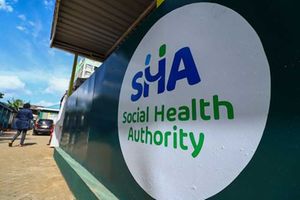
A Social Health Authority (SHA) signage. Cancer patients say sudden reductions in SHA approvals, exclusions of specialised diagnostic tests and delays in digital authorisations are disrupting treatment schedules and forcing families to meet unexpected medical bills.
What you need to know:
- Cancer patients say sudden reductions in SHA approvals, exclusions of specialised diagnostic tests and delays in digital authorisation are disrupting treatment schedules and forcing families to meet unexpected medical bills.
- From breast cancer patients struggling to access targeted therapies to prostate cancer patients unable to afford specialised scans, new payment system is raising fears that administrative delays could undermine cancer treatment.
When Grace* was diagnosed with Stage 3 Her2-positive breast cancer in August, the shock was immediate. But the way forward seemed clear.
For the first month, doctors ran tests to establish the exact subtype of the cancer and what was driving the tumour, before starting aggressive treatment. She relied on the Social Health Authority (SHA) and her private medical cover, and began weekly chemotherapy.
Each weekly session cost about Sh100,000. SHA consistently approved and paid Sh50,000. Her private insurer, which required SHA's authorisation before paying a single shilling, settled the other half.
Because her cancer is Her2-positive, an aggressive subtype fuelled by the human epidermal growth factor receptor 2 protein, her doctor added a targeted therapy called Phesgo (a fixed-dose combination of pertuzumab and trastuzumab) every three weeks, alongside her weekly chemotherapy.
When she went in for the combined Phesgo and chemotherapy session, the bill came to Sh350,000. SHA approved Sh100,000.
This week, she was due for her routine weekly chemotherapy, which costs Sh100,000 and which SHA had previously covered at 50 per cent. The authority approved only Sh17,000.
"We have gone right back to the old NHIF days where they used to pay for the bed alone," Grace says, describing the sudden drop in support. "When you are an outpatient in some of the facilities here in the country, SHA is no longer paying for external tests, and there are no doctor's fees covered."
She adds: "SHA is so critical, even when you have private insurance, because no private insurer will authorise treatment without SHA moving first."
The delays are as worrying as the money shortfall. Previously, oncology units told patients their schedules well in advance. This allowed them to book beds, prepare pre-medications and start treatment on strict timelines.
Last week, Grace waited anxiously for a booking confirmation that never came. When her family pressed the hospital for answers, staff pointed to a huge backlog caused by SHA's sudden system overhaul. Her Friday chemotherapy session was pushed to Monday. Even then, she was left waiting, unsure whether the approval would clear in time.
"In oncology, where tumour cells multiply rapidly between delayed cycles, a missed weekend is not a minor administrative inconvenience; it is a clinical hazard," she says.
"On paper, the government boasts an enhanced Sh800,000 annual oncology package; in practice, abrupt tariff caps, unannounced exclusions, and digital approval bottlenecks are leaving patients stranded mid-treatment," she says. "Why would you say that the tariffs remain untouched, yet the people it was meant to help are not getting the help?"
Under the old system, hospitals billed according to the clinical protocols prescribed by the attending oncologist, drawing from the patient's annual oncology allocation.
Under the revised framework rolled out in November 2026, SHA introduced strict standardisation rules and line-item tariff caps tied to specific clinical guidelines. This took effect on Monday last week.
The rules were meant to curb price differences across hospitals. But the sudden enforcement has effectively excluded high-cost targeted therapies, specialised outpatient diagnostics and specialist consultation fees from automatic reimbursement.
"The new digital approval workflow has created severe administrative bottlenecks. Hospital pharmacy and billing desks now face multi-day delays awaiting pre-authorisation codes for drugs that were previously cleared within hours, turning routine outpatient chemotherapy days into agonising waits," Grace told the Nation.
Multiple cases
Grace is far from alone. Across private and public referral facilities, patients with different cancers and from different income levels are facing the same problems.
Mr Samuel, a 58-year-old retired teacher from Nyeri, is undergoing treatment for advanced prostate and bone-metastatic cancer at a major public referral hospital in Nairobi. He has struggled for the last two weeks since the new system came into place.
Unlike Grace, Samuel has no private insurance. He relies entirely on SHA's Sh800,000 oncology allocation.
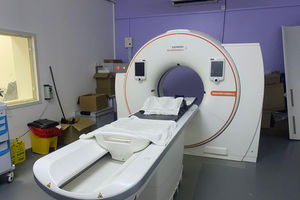
Before his oncologist can adjust his hormone therapy and radiation schedule, Samuel needs an urgent PSMA PET scan and a panel of specialised blood tests. These will show whether the tumours have spread further. The public facility's imaging machine has a three-month waiting list, so his doctor referred him to an accredited external diagnostic centre.
Under the tightened SHA outpatient rules, he says he has been told that external diagnostic tests and off-site laboratory work are largely excluded from seamless coverage.
He faces an out-of-pocket bill of more than Sh65,000 for the scans alone, and has been told SHA will not reimburse external imaging. He has paused his follow-up appointments. His family is trying to raise money in his home village.
An oncologist who asked not to be named told Nation that his biggest fear right now is not only how aggressive his patients' tumours are. It is the unpredictable administrative hurdles standing between them and their treatment.
"Cancer biology does not pause for system upgrades or tariff reviews. When a patient on a strict weekly chemotherapy or targeted therapy schedule misses a cycle because of a delayed approval code or an unexpected out-of-pocket shortfall, we risk losing hard-won clinical ground and even losing the patient because we may not catch up with the cancer cells," the oncologist said.
Dangerous disruptions
He said that while standardising treatment protocols and preventing overcharging are noble goals on paper, the sudden enforcement is creating dangerous disruptions at the bedside.
"Modern oncology relies heavily on precise diagnostics and targeted biologics, which are not optional luxuries; they are the standard of care that gives patients with aggressive cancers a fighting chance at remission. When approvals drop overnight from covering half a regimen to barely a fraction, or when patients are forced to skip critical scans because external diagnostics are excluded, treatment plans fracture.
"We will soon watch patients who were responding well suddenly stall; unless these bottlenecks are urgently addressed, we risk turning treatable cancers into fatal delays," he said.
Anger has grown among patients, caregivers and oncology specialists over the sudden drop in cover and the treatment delays. Health Cabinet Secretary Aden Duale and SHA have moved to defend the reforms. They insist that the Sh800,000 oncology benefit package remains intact.
According to SHA, the changes were introduced to improve cancer care by aligning treatment with the National Cancer Treatment Guidelines and standardising how medicines and treatment services are priced and paid for.
"Previously, hospitals used different prices for similar medicines and treatments. This created differences in costs, with some patients exhausting their benefits before completing treatment. The new system is intended to ensure that patients receive appropriate treatment at standardised prices while making better use of the enhanced Sh800,000 oncology benefit, comprising Sh400,000 under SHIF and Sh400,000 under Emergency, Chronic & Critical Illness Fund," says the SHA statement.
The statement said the changes followed a consultative process led by the Ministry of Health's National Cancer Control Programme. "The review involved oncologists, pharmacists, nurses, public and private hospitals, and relevant professional associations."
According to SHA, the guidelines provide a common approach to cancer treatment, while the digital system supports approvals and payments for medicines and services based on the approved benefits package.
On patients being asked to top up, SHA said the Sh800,000 benefit is subject to approved treatment guidelines, tariffs and eligibility requirements. "Where hospital charges differ from approved rates, or treatment falls outside the covered package, additional costs may arise," it states.
"Patient protection remains a priority. Patients should not be asked to pay again for services already covered and paid for by SHA. Any additional charges must be clearly explained, justified and consistent with the applicable benefit rules," it states.
It adds: "The objective is to protect patients from avoidable out-of-pocket costs while ensuring they receive the full benefits to which they are entitled."
*Name changed to protect the medical privacy of the patient.