SHA's year of struggle: MPs unearth 19 critical failures
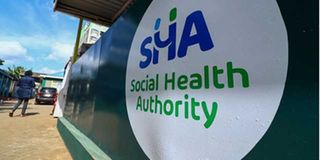
Social Health Authority (SHA) signage at Mutuini Hospital in Dagoretti South Sub-County, Nairobi, on August 27, 2025.

Kenyans battling conditions ranging from cancer and kidney failure to teenage mothers and infants must wait longer for the Social Health Authority (SHA) to address severe operational and policy failures endangering lives, a damning parliamentary report has revealed.
A year since inception, SHA remains bedevilled by myriad recurrent and systematic challenges overwhelming health service providers, according to a preliminary report presented on Tuesday by the National Assembly Departmental Health Committee.
The fact-finding mission to 10 health facilities unearthed at least 19 underlying issues, with cancer patients emerging as the most affected group.
"Certain essential diagnostic and follow-up tests are not covered, forcing patients to shoulder high out-of-pocket costs," observed Committee chair James Nyikal (Seme MP). "Considering the long-term and expensive nature of cancer care, this gap increases the risk of treatment discontinuation, poor outcomes and inequity in access."
The five-day limit for laboratory tests and 12-day limit for Intensive Care Unit (ICU) stays were found "impractical for longer stays."
Packages fail to meet true costs due to SHA tariff misalignment, including Sh30,000 for caesarean delivery, 12-day ICU limits and restricted outpatient benefits at Level 5 facilities—"benefit packages and tariffs that discourage providers from offering specialised care and undermine quality service delivery."
Without a clear national policy for identifying and enrolling indigents, thousands of disadvantaged Kenyans remain excluded.
"Teenage mothers, without IDs, face registration barriers that deny them and their infants access to essential maternal and child health care services," explained MP Nyikal. "Similarly, prisoners, indigent persons and individuals with chronic conditions experience inconsistent coverage across facilities."
SHA is yet to implement transparent means testing as stipulated under Section 27 (2) (c) of the SHA Act, undermining Universal Health Coverage goals. A lump sum annual premium payment has further excluded poor households.
Frequent SHA system downtimes—up to four times monthly—disrupt hospital operations whilst biometric verification hinders patients without IDs, those with faint fingerprints and the elderly.
Health Cabinet Secretary Aden Duale disputed the severity, stating the system operates at 95 per cent stable optimum.
"We have 147 call centres run by Safaricom. There are minor challenges on the biometric system," he said, adding that technology reduced staff from 1,800 to 815.
The committee found fundamental gaps aggravating financial strain on providers. Nyeri County Referral Hospital lost over Sh16 million to a neighbouring private hospital due to SHA payment processing errors, with recovery efforts stalled.
Delayed and withheld payments, with some months recording zero reimbursements, compound the crisis. St Elizabeth Swindon Hospital in Kisumu County, listed as having 'zero beds', was forced to suspend admissions due to SHA misclassifications.
"Critical service gaps were also noted, including the absence of Neonatal Intensive Care Units (NICUs) in referral hospitals, coupled with shortages of oxygen, essential drugs and utilities during delayed reimbursements," the report stated.
Huge arrears inherited from the defunct National Health Insurance Fund (NHIF) remain unresolved. "The Committee noted lack of transparency in SHA payment system as reimbursements are often issued as lump sums without clear disaggregation by fund type," hindering effective tracking.
High claims rejection rates persist despite supporting documentation, due to a lack of a complaints resolution framework and opaque resubmission mechanisms delaying feedback beyond the 90-day statutory period. Overreliance on Artificial Intelligence without human oversight has led to unjust denials.
SHA has failed to operationalise the Disputes and Resolution Tribunal despite legal provision, leaving healthcare providers without structured redress mechanisms.
Many hospitals cannot pay staff salaries for months, triggering strikes and reduced morale. The report cited Sh19.2 million owed to St Mary's Mumias as among "urgent arrears" threatening "hospital operations and staff retention."
Medical Administrators Kenya Limited (MAKL) was adversely mentioned regarding persistent delays to hospitals, including Nyeri County Referral Hospital and PCEA Tumutumu.
The Kenya Medical Supplies Authority (Kemsa) continues delaying and providing inadequate supplies, with some facilities reporting fill rates as low as 30 per cent.
"The resulting stock outs of drugs, oxygen and critical consumables have compromised patient care and contributed to preventable deaths," the report cautioned.
CS Duale and Council of Governors Health Committee chairperson, Governor Ahmed Nassir (Mombasa), expressed displeasure with the report, arguing the Committee should have engaged technical teams.
"The only thing missing here is your signature. A report should have who did you meet, what did you observe, your recommendations," stated Governor Nassir.
On teenage pregnancies, CS Duale said: "Adolescent pregnancy is a very serious health challenge. 43,000 teenage mothers have been supported to access free maternal and new-born care. We will give you a temporary ID."
Indigent identification is underway in Laikipia, Turkana and Busia. He appealed to Kenyans to pay for 3.9 million vulnerable Kenyans registered. Through the Lipa pole pole programme launched in June during Madaraka Day, the government collected over Sh600 million.
Principal Secretary for Medical Services Dr Ouma Oluga emphasised "not every issue is attributed to SHA." Skilled birth attendants in Nairobi dropped from 89 in 2017 to 79 in 2022, "and all that time SHA was not there."
However, legislators led by Nandi MP Cynthia Jepkosgei felt responses were impractical.
"It is beautiful on paper, but on the ground it is not practical," posed MP Jepkosgei. "Imagine you are a pregnant teenage girl in labour and you are told to go to headquarters to register before getting services?"
Legislators want the National Treasury to invoke Article 223 of the Constitution and settle outstanding NHIF debts amounting to Sh10 billion to ensure hospitals' financial stability.
They demand enforcement of the 90-day rule for claim settlements, detailed remittance advice listing paid, pending and rejected claims, and fast-tracked disbursement for the Primary Health Care Fund (PHCF) and Emergency, Chronic and Critical Illness Fund (ECCIF), which remain non-operational in most facilities.
Follow our WhatsApp channel for breaking news updates and more stories like this.