Why ‘kutoa lock’ doesn't cure your hangover, it delays it
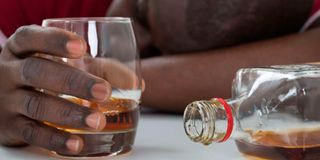
Roughly 12 per cent of drinkers go through what's now commonly called "hangxiety," that morning-after sense of dread or racing thoughts.

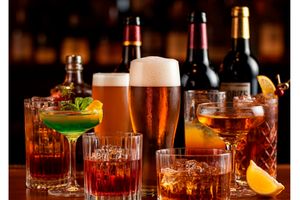
In Kenya, kutoa lock is the street term for nursing a hangover with more alcohol, and it is the same practice known internationally as "hair of the dog."
It is just one entry in a long list of claimed hangover cures.
Others include greasy food, bone soup, coffee, and simply sleeping it off. Of these, kutoa lock is the one that comes with the clearest scientific explanation for why it feels like it works, and why it doesn't actually fix anything.
The idea has been around for centuries.
A 17th-century English translation of the works of Ambroise Paré, a French barber-surgeon regarded as one of the fathers of modern surgery, describes the practice in the context of rabies, where fur from the dog that bit you was placed on the wound in the belief that it would draw the poison back out through a kind of sympathetic bond between animal and victim.
Physicians later extended the same reasoning to drinking. The Venetian doctor Santorio Santorio argued that heavy drinking clogged the body's humours and trapped alcohol's harshest effects inside, and that a morning drink would trigger the "evacuations" needed to flush it out and restore balance.
Kutoa lock persists because, for a short while, it genuinely seems to work. A hangover brings together a cluster of physical and psychological effects: headache, fatigue, low appetite, dizziness, nausea, vomiting and anxiety, sometimes lasting a few hours, sometimes stretching past a day.
'Hangxiety'
Roughly 12 per cent of drinkers go through what's now commonly called "hangxiety," that morning-after sense of dread or racing thoughts.
American addiction centres put this down to a combination of raised cortisol, a faster heart rate, and a dip in gamma-aminobutyric acid (Gaba), the brain's main calming chemical, whose job is normally to slow nerve activity down.
Alcohol doesn't help matters either, since it's a diuretic. It drains the body of fluids and strips out electrolytes like sodium, calcium and potassium, and vomiting only makes that worse, feeding straight into the headache, fatigue and irregular heartbeat that define a hangover.
The root of it all lies in how alcohol works on the nervous system while you're still drinking. Your brain fights back against alcohol's depressant effect by adjusting its own chemistry, keeping the nervous system running hot for as long as you keep drinking.
The trouble starts when your blood alcohol level hits zero: that counter-response doesn't switch off straight away.
The nervous system stays in overdrive instead, and that's what brings on the shaking, the headaches, the anxiety, hangxiety included. Have another drink, and the blood alcohol level climbs again, numbing that overactive nervous system and dulling the pain, but treating nothing.
Prof Zakayo Thaimuta, a toxicologist at the University of Nairobi, sees the practice less as a remedy and more as a red flag.
"It's an addiction. It means whatever it is you are taking to treat the hangover has changed you. It's a mental condition that keeps asking for more and more," he says, comparing it to people who insist they get a headache without their morning tea.
"When you're addicted to something, you go for it. Normally, your memory and your discipline stay within the brain's control. But if you start taking certain substances, like alcohol or tea, that control goes beyond the ordinary. It starts being controlled outside the realm of the brain, and what happens is you keep looking for it."

Alcoholism kills the soul before the body.
Scientists advise against kutoa lock because it prolongs recovery and places a heavier burden on the body. Your liver and stomach are already working to clear toxic by-products such as acetaldehyde, and a fresh dose of alcohol simply restarts that process at the point when your organs most need a break to bring down inflammation and repair tissue damage.
Relying on alcohol to treat alcohol's own side effects also creates a cycle that raises the risk of dependency, which is the same concern Thaimuta raises about the mental grip of "always looking for it."
Other remedies
There is no real shortcut around this. Studies point to a 24-hour pause to let the body fully process and eliminate the toxins, along with drinking water or electrolyte drinks to replace what has been lost, especially after vomiting, and resting to allow the body to recover from a severely disrupted sleep cycle.
Thaimuta notes that something containing acetic acid, such as lemon, can ease the symptoms.
"One can take that to reduce it, not really prevent it, but reduce it," he says.
None of the other cures work any better either.
Eating before or during a drinking session is one of the more persistent ones. Researchers say food can slow how quickly alcohol is absorbed, which lowers your blood alcohol concentration at any one point, but it does not change the total amount that eventually enters your bloodstream.
A study from Bowling Green State University found that fatty food in particular delays the rise in blood alcohol levels, but it does not make the liver process alcohol any faster, and does not reduce how much is ultimately absorbed. One study went further, warning that leaning on food as a buffer may simply give people the confidence to drink for longer, which defeats the purpose.
Many people think mixing different types of alcohol causes a worse hangover. But health experts say there is no proof of this.
The real problem is that people lose track of how much they drink. They end up drinking more alcohol than they planned. It is the extra alcohol, not the mixing, that causes a worse hangover.
Coffee is perhaps the most stubborn myth of all. The reasoning sounds right at first: alcohol acts as a sedative, and caffeine sharpens alertness, so the two should cancel each other out. In practice, it does not work that way. In the first 90 minutes or so after drinking, while blood alcohol levels are still rising, people tend to feel more alert anyway.
It is between two and six hours later that drowsiness sets in, which is exactly when people reach for a cup of coffee. But a review looking at caffeine's effect on alcohol found no consistent evidence that it reduces ethanol's effects in humans, and noted that how the two interact in the brain is still not well understood.
Once the liver becomes aged, its capacity to process alcohol also decreases.
The one genuine fix, in the end, is time. Kutoa lock buys a few more hours of feeling normal, keeping the nervous system numbed and the blood alcohol level up. But the hangover it postpones still has to run its course once the alcohol finally clears: dehydration, depleted electrolytes, hangxiety and all.
Follow our WhatsApp channel for breaking news updates and more stories like this.