Meet Brian Baraza, who goes by the stage name Malosh, a 23-year-old rising star who swapped engineering dreams for the mic. In a sit-down with Michael Ochieng
When did music become more than just a passion for you?
I sang a lot in primary school. It was always fun and felt natural. But after high school, when people began asking, “What’s next?”, I really had to stop and think. That’s when I realised music wasn’t just something I liked doing. It was the one thing I felt deeply connected to. I could see myself doing it for the rest of my life. It was the only thing I felt I could put my whole heart into and stay committed to. And with the gift of my voice, I knew I had an advantage too.
Tell us about your first time performing in front of a crowd.
My first real performance happened in primary school. It wasn’t on a stage or during an official event; it was just me and my boys hanging out. I started singing “My Queen” by Longombaz, and something changed. Everyone just stopped talking and listened quietly. It was one of those rare moments where time seemed to pause. No one made jokes or interrupted. That moment stuck with me because I felt power in my voice for the first time. It showed me that even a casual performance could make people feel something real. I’ll never forget that day.
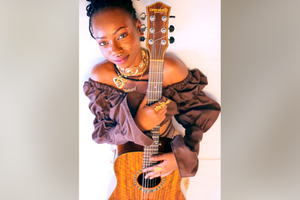
Brian Baraza, also known as Malosh.
Photo credit: Pool
How many songs have you written since you got into the industry?
I have like 12 songs, with six of them not released yet. I was just getting into songwriting and figuring things out. Every song was like a little experiment. I was learning about structure, rhyme, and how to turn feelings into lyrics. Some were just a few lines, others were more developed. But every attempt helped me improve. It was like each song added a brick to the foundation of who I am now as an artiste. It wasn’t about perfection back then; it was about trying and growing.
Are you attending school now? How do you balance school and creativity?
After high school, I made a choice. I decided to go all in with music. I’m not in school right now, and I don’t have plans to go back. I respect education and all it offers, but I knew deep inside that music is what I want to do fully. There’s something powerful about being able to focus on one thing and give it your full energy. I wake up thinking about beats, melodies, and lyrics. There’s no distraction from schoolwork or schedules. Right now, it’s just the studio, my sound, and my team helping me level up. Music is my school now, and every day I’m learning.
How do your parents and family feel about your music career?
They’re incredibly proud of what I’m doing. That kind of support makes all the difference. My parents have helped me pay for studio sessions and music videos. My whole family believes in me. But the biggest supporter has been my brother. He was the first to listen to my early recordings, even when they weren’t great. He gave honest feedback and kept encouraging me. He reminded me to keep pushing, even when it was hard. Sometimes, you just need that one person who really believes in you. He was that person for me and still is.
What was your dream job before music?
Funny enough, I wanted to be an engineer. I loved figuring out how things worked, machines, structures, systems. There was something cool about solving technical problems. But even while dreaming of that path, music was always playing in the background. When the time came to choose, the pull toward music was stronger. I don’t regret it at all.
You combine Afro-pop, R&B, and soul. How did you find your unique sound?
My sound didn’t happen overnight. It came from people around me. My first listeners gave me important advice. They told me not to sing only in English; they encouraged me to include my native language and culture. That feedback really shaped me. I began mixing local elements with R&B vibes, and that created something special. It felt true. I didn’t have to copy anyone. I just listened to my roots and my heart. That’s how I found my unique blend.
Has your style evolved since you began?
Definitely. At first, I was just experimenting. But then I started listening to more artistes like Bien, Kinoti, and Bensoul. They really influenced how I saw my voice. Then I got serious with vocal training, especially with Frank Kaiga and the team. They pushed me harder, helped me explore range, breath control, and emotion. Now I feel more confident in my voice and sound. But I’m still learning.
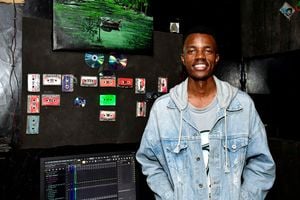
Brian Baraza, also known as Malosh.
Photo credit: Pool
Any unexpected artistes or genres you’d like to experiment with?
I’ve always been curious about rapping. I’d like to drop a fun rap verse someday, just to surprise people. I think fans wouldn’t expect that from me, and that makes it exciting. A collab with someone like Khaligraph Jones would be amazing. Mixing my soulful style with hard bars could be fire.
What was your breakthrough moment?
Joining Canvass Records was the big shift. Jeff Mutunga saw something in me. Working with Vic West, having a manager like Mc Frank, it all felt official. Suddenly, I was in the studio with artistes I used to admire from a distance. Meeting Ndovu Kuu and Bensoul through the label felt like confirmation. I wasn’t dreaming anymore. It was happening for real.
What achievement are you most proud of?
I’m proudest of working with top artistes like Ndovu Kuu, Bensoul, and Tipsy Gee. These are people I looked up to. Collaborating with them wasn’t just a big deal professionally; it boosted my confidence. It showed me that I can stand among the greats. Each studio session was a lesson and a win.
Was there a song that really changed everything?
“Nobody Knows”. That song was a turning point. It’s what caught Jeff’s ear and led to me joining Canvass Records. The track connected with people emotionally, and it showed what I could really do as an artiste. If that song hadn’t come out the way it did, my journey might have been slower. It opened major doors.
What major challenges do you face in the music industry?
One big challenge is the cost. Music is expensive: studio time, videos, photo shoots, and travel. We’ve invested so much in getting every detail right. Also, today’s industry demands content nonstop. I’m not just an artiste anymore, I’m also a content creator. Making music is one thing, but promoting it online is a full-time job too. It’s tough, but necessary.
What lessons have you learned professionally and personally?
Professionally, I’ve learnt that nothing great comes easy. Every hit song has hours of work behind it. Late nights, edits, and countless takes. Personally, I’ve learned to stay true to myself. It’s easy to lose your identity when chasing fame or approval. But being real matters more than being liked.
How do you stay grounded and focused under pressure?
My team keeps me in check. I’m surrounded by people with years of experience in this industry. They guide me, protect me, and correct me when needed. It’s not just about talent; it’s about having people who care about your growth. That’s how I stay focused and balanced.
Brian Baraza, also known as Malosh.
Photo credit: Pool
How did you fund your early music projects?
In the beginning, it was all family. They helped cover studio sessions, music videos, and other costs. Without them, I couldn’t have started. Now, my label takes care of the financial side. That shift allowed me to dream bigger and focus more on the music itself. It’s been a blessing.
Are you earning from music yet, or still investing?
Right now, we’re investing heavily in building my brand and music career. We’re starting to see some income, royalties, and performance fees, but the bigger money will come later. This phase is about growth. I believe that the work we’re putting in now will lead to real earnings soon.
Your fashion sense is part of your identity. How would you describe it?
My fashion is fresh, clean, and expressive. I like mixing streetwear with statement pieces. Bold accessories, good shoes, sharp fits, that’s my vibe. Nairobi has a style energy I draw from, but I also keep an eye on global trends. For me, fashion speaks before I sing. It tells people who I am.