Pregnancy can change almost every part of a woman’s body. Some changes are familiar: a growing bump, stretch marks, swollen feet and thicker hair, while others can be so unexpected that they leave women wondering whether pregnancy is really responsible.
Recently, a woman shared on TikTok how her voice changed during pregnancy, becoming noticeably deeper and coarser by her second trimester.
“I couldn’t even sing,” she says.
After consulting her gynaecologist, she was told that her preexisting polycystic ovary syndrome (PCOS), which can be associated with elevated androgen levels, may have contributed to the change. She was also told that carrying a male child had played a role in the changes to her vocal cords.
“I lost all my toenails after my pregnancy,” one mother wrote in the comments. “My son is nine months old now, and they’re just starting to grow back.”
Others reported changes in shoe size, broken teeth, altered eyesight, memory lapses, hyperpigmentation and even increased sensitivity to cold.
But how much of this can actually be explained by pregnancy, and when should an unusual symptom be checked by a doctor?
According to Dr Lilian Mokeira, an obstetrician and gynaecologist at Allora Medical Practice, pregnancy triggers a series of physiological changes as the body adapts to support a growing foetus.
Despite the popular belief that some symptoms reveal whether a baby is a boy or girl, she is quick to dismiss that idea. Most of these changes, she explains, are driven by hormonal shifts.
“Hormone levels double or triple in the body during pregnancy primarily to support the baby to term, but that doesn’t mean they only work within the uterus or the placenta,” she says. “They circulate all over the body because the same hormones exist in every tissue of the body, and so you find changes happening in different parts of the body.”
One of the most noticeable changes can involve fluid retention. Blood volume rises by approximately 50 per cent during pregnancy as the body increases its supply of oxygen and nutrients.
“That water retention is why you’ll find some women complaining about swelling in their feet, hands, or face, which can be reflected in changes in shoe sizes, or even things like rings and watches that previously fitted comfortably becoming tight,” Dr Mokeira says.
Fluid retention can also affect the vocal folds, potentially changing the voice. Changes in vision can occur too, partly because fluid shifts may alter the shape and thickness of the cornea.
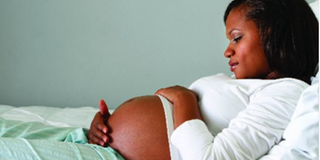
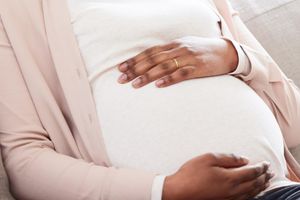
Some changes are familiar: a growing bump, stretch marks, swollen feet and thicker hair.
Photo credit: Pool
The growing uterus can affect breathing as well. As it expands, it pushes the diaphragm upwards and leaves less room for the lungs to expand, meaning some women notice heavier or faster breathing as pregnancy progresses.
Then there are the teeth. Hormonal changes can relax the muscle that normally prevents stomach contents from flowing back into the oesophagus, while pressure from the growing uterus can worsen reflux. Heartburn and frequent vomiting can expose teeth to stomach acid, which may erode enamel and make teeth more vulnerable to damage.
Thicker hair, memory lapses
Pregnancy can also leave its mark on the skin. Hormonal changes can increase melanin production, causing darker patches on the face, neck, abdomen and around the nipples. Some pigmentation fades after birth, while some may remain.
Hair can behave differently too. Higher oestrogen levels can prolong the hair growth phase, leaving some women with thicker-looking hair during pregnancy. After delivery, falling hormone levels can trigger increased shedding, the familiar postpartum hair loss.
For most women, this improves as the hair growth cycle returns towards its previous pattern. Persistent or excessive hair loss, however, may need further investigation.
Then there is the phenomenon commonly called “pregnancy brain” or “baby brain”. Memory lapses are frequently reported, particularly after childbirth, but Dr Mokeira says they should not automatically be blamed on hormones.
“During the postpartum period, there's increased stress,” she says. “You’re not sleeping well, there's a baby to take care of, a family to take care of, sometimes, you need to go back to work, and the birth changes your routine. Compounded, these pressures can contribute to short-term memory loss.”
At 32, Kate Karanja is eight months pregnant with her second child, and she knows first-hand that no two pregnancies necessarily look alike.
“During my first pregnancy, I struggled with a lot of acne. My skin has been much smoother this time around,” she says.
The difference has been a pleasant surprise. Her intimate life has also taken her by surprise: she has remained sexually active throughout this pregnancy and says she is enjoying sex more than she did before becoming pregnant.
“At first trimester we thought with my husband that it was something which would decrease later on but it hasn’t. I also enjoyed eating lots of spicy foods at the beginning, which I thought would also be the cause for high libido,” she says, laughing.
“I’m glad my husband also enjoys the frequency. I have not heard him complain,” she adds.
For some women, however, fatigue, nausea, physical discomfort or changes in sexual desire can affect intimacy. Kate believes communication between partners is important.
“As a woman's body changes, couples may need to discuss comfort, expectations and any concerns they have about their intimate life. Provided there is no medical evidence to avoid intercourse, there shouldn’t be a reason not to continue enjoying a healthy sex life,” she says.
Dr Karen Muthembwa, an obstetrician gynaecologist, notes that every woman experiences pregnancy differently.
“Every woman is very different, and every pregnancy is very different,” she says. “The changes depend on the baby and also on how the mother’s body responds.”
Hormonal changes can affect emotions, leaving some women unusually tearful or anxious, while others may experience depression.
“These responses vary considerably, which is why one woman’s experience cannot necessarily predict another’s.”
However, some changes may require a pregnant woman to consult her doctor. One of them is swelling.
Swollen feet and tighter shoes are common as pregnancy progresses, partly because the growing uterus can put pressure on blood vessels and make it harder for fluid to return from the legs to the heart. Fluid retention can affect the hands and fingers too.
“When swelling puts pressure on nerves, women may experience numbness, tingling or a sensation similar to pins and needles,” Dr Muthembwa says.
But significant or sudden swelling, particularly when accompanied by other concerning symptoms such as acute nausea, dizzy spells and blurred vision, should be assessed by a healthcare professional.
Pregnancy can also change a woman’s relationship with food. Some women develop strong preferences or cravings, while others crave things that are not ordinarily eaten, such as soil or chalk.
“Such cravings may be associated with nutritional deficiencies and should not be dismissed when they persist. If you're experiencing it for about two weeks, that's a problem,” says Dr Muthembwa
Dizziness, changes in the appearance of the nails and increased brittleness can also warrant assessment, particularly when they occur alongside other worrying symptoms. Regular antenatal appointments can help doctors identify nutritional deficiencies early.
“Women are often started on supplements, including iron and calcium, depending on their needs. Some may also require other supplements, such as omega products.”
A balanced diet remains important, including green leafy vegetables, sources of vitamin C such as oranges and pineapples, and protein- and calcium-rich foods.
“Calcium contributes to the development of the baby’s bones. Adequate nutrition, alongside appropriate supplementation, can help reduce the risk of deficiencies during pregnancy.”
Sexual desire, meanwhile, is influenced by both the brain and hormones including oestrogen, progesterone and testosterone.
“Changes in these hormone levels can affect sexual function during pregnancy. Some women notice an increase in their interest in sex and greater vaginal sensitivity during intercourse. Others experience discomfort or difficulties that affect their desire for intimacy.”
“A change in sexual desire is not necessarily a sign that something is wrong,” Dr Muthembwa adds.
However, she notes that persistent discomfort or pain during intercourse should be discussed with a healthcare provider.
Sleep can be another challenge, with some pregnant women experiencing sleepless nights, vivid dreams or restlessness. Dr Muthembwa recommends establishing consistent sleeping habits early in pregnancy.
“Going to bed and waking up at roughly the same time each day can help establish a routine. Managing sleep difficulties may sometimes require additional support from the doctor who can advise on appropriate measures.”
Although many pregnancy-related changes improve after delivery, not all resolve on their own. Some require treatment, while others may be unrelated to pregnancy and need a separate diagnosis. Toenail loss, for instance, may result from a fungal infection or pressure from ill-fitting footwear as foot size changes. Sudden vision changes, severe headaches, or significant swelling of the face and hands during pregnancy can be warning signs of pre-eclampsia, a potentially life-threatening condition requiring urgent medical attention. Sudden vision loss or facial weakness also warrants emergency assessment.
“Usually, I advise patients that if they’re concerned about any of these symptoms, they need to get them checked.”
She advises women to attend antenatal appointments during pregnancy and postnatal clinics after delivery, where concerns can be assessed and managed or referred to the appropriate specialist.
Preparation before pregnancy can also help. During pre-conception counselling, a clinician can review a woman’s medical history and identify existing concerns, including dental problems, that may benefit from attention before she becomes pregnant.
Some changes can be managed with simple measures. For skin darkening, for instance, sun protection, including sunscreen and protective clothing, may help limit further pigmentation.
The doctor also recommends appropriate exercise during pregnancy, alongside regular medical follow-up.
“The most important thing is to walk that journey with a gynaecologist,” she says.