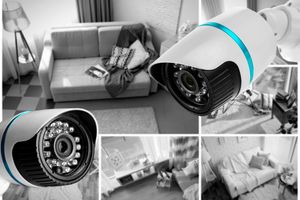
An empty home is a loud invitation to burglars. Whether it is a weekend getaway, a long workday or a holiday, minor security lapses such as predictable routines, dark compounds and reliance on basic locks can quickly make your property a target for thieves.
Criminals often watch first, looking for signs of absence long before they strike. As break-ins become more calculated, security is no longer just about padlocks and fences.
Robert Manyala, a software engineer with over a decade of experience, says digital tools play a critical role in keeping homes safe, and every homeowner should invest in them.
Robert Manyala, Director of Robisearch Limited at his office in Ngara, Nairobi, on April 9,2021.
Photo credit: Evans Habil | Nation Media Group
From biometric access systems that restrict entry, to mobile-based alerts using USSD and bulk SMS, homeowners can monitor activity remotely and respond fast.
Manyala, has worked on major digital systems including biometric registries, visitor management applications and enterprise platforms. He talks to DN2 Property about avoidable mistakes that make homes vulnerable when owners are away.
From your experience in ICT security solutions, what are the most common vulnerabilities homeowners overlook when travelling?
Many break-ins occur because homeowners unintentionally signal that their houses are unoccupied. Simple signs such as unattended gates, unusually quiet compounds, or lights that are either permanently off or left on around the clock can alert criminals to an empty home. Thieves often observe routines, and once they are confident no one is around, they strike. Another commonly overlooked area is digital security. While many homeowners install CCTV cameras or smart alarm systems, they fail to activate alerts or enable remote monitoring, meaning incidents can go unnoticed until it is too late.
Some also travel while still logged into smart devices or leave their home Wi-Fi unsecured, exposing systems to interference or tampering. There is also a tendency to rely solely on technology. Effective security works best when layered. Homeowners often underestimate the importance of human oversight. Failing to alert a trusted neighbour, caretaker, or local security patrol to occasionally check on the home makes it easier for criminals to strike unnoticed
For residential security, CCTV surveillance systems, smart motion sensors, and remote access control solutions are the most effective when homeowners are travelling or are planning to be away. These tools allow you to monitor your properties in real time through mobile applications, no matter where they are. With CCTV and motion sensors, any unusual activity around the home triggers instant alerts, enabling quick response either by alerting neighbours, private security firms, or local authorities. Remote access controls give homeowners the ability to manage entry points from afar, whether it is granting temporary access to a caretaker or ensuring doors and gates remain securely locked. Together, these technologies provide a strong digital layer of protection that complements traditional physical security measures such as reinforced locks, perimeter walls, and gated access, significantly reducing the risk of break-ins while one is away.
CCTV technology is constantly evolving. What should a Kenyan homeowner look for when choosing a reliable home surveillance system?
One should look beyond just having cameras installed and focus on smart, reliable, and integrated surveillance systems. First, high-definition cameras (1080p or higher) are essential. Clear imagery makes it easier to identify faces, number plates, and movements, which is critical during investigations. Secondly, night vision and strong low-light performance are a must, as most break-ins occur after dark or during power outages. Homeowners should also prioritise remote monitoring through secure mobile applications. This allows you to check on your home in real time while travelling and respond quickly if something appears suspicious.
Motion detection with instant alerts is equally important, as it notifies you immediately of unusual activity while reducing false alarms from normal movement. Another key feature is secure storage. Whether cloud-based or on encrypted local servers, recorded footage must be protected from tampering or loss. Finally, modern CCTV systems should integrate seamlessly with other smart home technologies such as alarms, access control, and lighting to create a complete and efficient security ecosystem. In today’s environment, CCTV is no longer just about recording incidents but about prevention, real-time response, and peace of mind, especially when you are away.
Many Kenyans still fear ‘smart’ gadgets due to hacking concerns. What security measures should be integrated into systems to protect user data and home networks?
Okay, let me give you an example, at Robisearch, cybersecurity is built into our systems from the ground up to address exactly those concerns. We use multiple layers of protection to safeguard user data and home networks. First, all video streams and device communications are protected through end-to-end encryption, ensuring that data cannot be intercepted or viewed by unauthorised parties. There is also the enforcement of two-factor authentication for both mobile and desktop access, adding an extra layer of verification beyond passwords.
In addition, the system should be able to receive regular firmware updates to patch emerging vulnerabilities and stay ahead of new cyber threats. The said system should also be able to apply network segmentation, where smart security devices operate on isolated sections of the home network. This prevents attackers from moving laterally across devices even if one point is compromised. Together, these measures ensure that users’ data remains private and that home security systems are protected from unauthorised access, giving homeowners confidence to adopt smart technologies without fear, even when they are away.
In rural settings, internet connectivity can be unreliable. What offline or low bandwidth security technologies can still work effectively in such environments?
In such a case, security does not have to stop. We encourage homeowners to adopt offline or low-bandwidth security solutions that are designed to work effectively in such environments. One of the most reliable options is CCTV systems with local storage, such as cameras that record footage onto SD cards or Network Video Recorders (NVRs). These systems continue recording even when the internet is down, ensuring incidents are captured for later review.
I also recommend battery-powered motion sensors and alarm systems. These operate independently of internet connectivity and can instantly trigger sirens or alerts when unusual movement is detected, acting as a strong deterrent to intruders. For communication, SMS-based alert systems are particularly effective. They rely on basic mobile networks rather than broadband internet, making them suitable for rural areas. Homeowners can still receive critical alerts and take action even with limited connectivity. Together, these solutions provide dependable security for homes in areas with unreliable connectivity, ensuring monitoring and protection remain effective despite connectivity challenges.
Neighbourhood watch remains one of the simplest forms of security. How can digital tools such as smart alarms or motion sensors complement community-based efforts?
Digital tools significantly strengthen neighbourhood watch initiatives by acting as force multipliers rather than replacements for community vigilance. Technologies such as motion sensors and smart alarms provide instant detection of suspicious activity, triggering alerts that can be shared with homeowners and trusted neighbours in real time. When an alert goes off, neighbours can quickly check the situation, raise the alarm, or contact local security personnel before criminals gain access. CCTV systems further support these efforts by providing visual evidence, which is useful both for confirming incidents and for reporting to local authorities. By linking digital alerts to neighbourhood communication channels such as WhatsApp groups or SMS lists, communities can coordinate faster and manage more organised responses. This blend of technology and human presence creates a stronger, collective security net making homes less attractive targets and neighbourhoods safer.
CCTV systems provide visual evidence which is useful for confirming incidents and reporting to local authorities.
Photo credit: Shutterstock
What technologies can homeowners use to improve electrical safety when their homes are left unattended for extended periods?
One key solution is the use of smart plugs and intelligent circuit breakers. These systems automatically cut off power in cases of overload, short circuits, or abnormal power fluctuations, common causes of electric-related fire incidents during periods of high electricity use. I also advise homeowners to install remote-controlled power management systems, which allow them to switch off appliances from anywhere using a mobile phone. This ensures devices such as heaters, cookers, or entertainment systems are not left running unnecessarily. In addition, environmental sensors that detect smoke, excessive heat, or gas leaks provide an early warning system. Once triggered, they sound alarms and can send alerts to homeowners or designated contacts, enabling quick intervention.
Cost is a major concern for many families. What affordable, entry-level security solutions would you recommend for a typical Kenyan family?
I recommend starting with simple solutions that deliver maximum impact at minimal cost. Basic IP cameras with cloud storage are an affordable way to enable live monitoring from a mobile phone. They are easy to install and allow homeowners to check in on their houses at any time. Battery-powered motion sensors and alarm systems placed at critical entry points such as doors and windows also provide strong deterrence without the need for complex wiring or professional installation. To address fire risks, smart plugs are a cost-effective option. They allow homeowners to remotely switch off appliances and prevent electrical overloads while the house is unattended. Beyond technology, neighbourhood coordination through WhatsApp groups remains one of the cheapest and most effective security measures, enabling quick sharing of alerts and suspicious activity.
Looking ahead, what innovations could further strengthen home security and digital safety for households?
We are developing several innovations designed to make home security smarter, more proactive, and accessible for East African households. For areas with limited or no grid connectivity, we are working on off-grid surveillance systems that operate independently of electricity and internet, ensuring continuous monitoring even in remote locations. Our Digital Visitors software simplifies the registration and tracking of visitors, adding an extra layer of control over who enters a property.
We are also creating integrated property management platforms that unify security, access control, and monitoring into a single, easy-to-use dashboard. This will allow homeowners to manage multiple systems from one interface, improving both convenience and oversight. Finally, we are enhancing biometric and multi-factor authentication solutions for smart homes, making it harder for intruders to bypass security while ensuring authorised users can access their homes seamlessly.