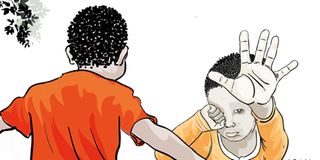
Society will probably never entirely eliminate violence, but we learn violent behaviour as children, so if you watch for the signs that suggest your children might be beginning to pick up violent habits, you can help them find other ways to solve their problems.
However, separating potential issues from normal behaviour isn’t easy, because small children are pretty antisocial, and hit each other a lot, so don’t worry unless your toddler has many aggressive outbursts that are hard to stop. Or consistently refuses to follow your instructions, or is impulsive and fearless, doesn’t cuddle you, doesn’t look for you if you’re in another room, makes up violent games, or is cruel to other children.
Constantly hitting, kicking and biting to get what they want is an especially important warning, because small children who use violence to get their way generally become violent teens and adults.
They may even become aggressive towards you, and that’s something you should take very seriously because you can physically control a two year old, but not a violent teenager. Try to correct any problems early, because once learned, violent habits can be very difficult to change.
The key is being closely involved in your children, especially when they’re small. Insist on knowing where they are at all times, know their friends, and encourage your older children to take part in supervised activities such as sports or church activities.
Watch how your children get along with their playmates. They are bound to get frustrated at times, so squabbles are inevitable. But be firm with them if they hit or threaten another child, and praise them whenever they behave well.
Have high expectations and clear rules for your children’s behaviour, and stick to them. Talk to them about any violence they see, and help them to understand that violence in the movies is glamourised, and that in the real world it has terrible consequences.
Be a good role model, and make sure they see your values in everything you do, such as kindness and respect for others. And settling arguments without hostility or aggression.
If you think your child is becoming violent, what should you do?
Get help from an experienced professional. This isn’t something to tackle on your own. Your contribution is to provide consistent structure, love and attention. And you’ll need advice on how to do this for a troubled child.
The key is calm and consistent parenting, so when they behave badly, don’t get angry. Just point out what they’re doing wrong and withdraw your attention from them. As soon as they stop whatever they’re doing, start acting normally again, so that your attention becomes a reward for good behaviour.
Above all, help your children to understand that even really difficult situations are better resolved by discussion rather than violence. It may take longer. But it works.