Happening Now: NTV KENYA LIVE | Senate Proceedings
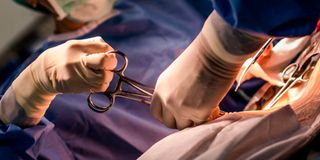

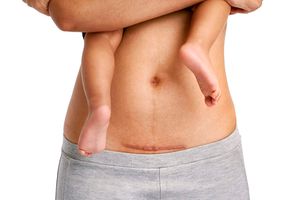
Although it sounds appealing, Dr Felix Oindi, an assistant professor and consultant obstetrician-gynaecologist at Aga Khan University Hospital, explains that having a tummy tuck (abdominoplasty) procedure during a C-section birth is not recommended.
"Combining the two procedures can divert attention from the primary objective of safe delivery and increase women's exposure to surgical risks without evident medical advantages. Childbirth is inherently unpredictable, even with a planned C-section."
Dr Oindi says adding cosmetic procedures to a C-section increases the surgery's duration, raises the risk of bleeding and infection, and can make recovery more difficult.
"Pregnancy and the early postpartum period involve major physiological changes, including hormonal shifts, fluid retention, uterine involution, and an increased risk of blood clots," he says. These factors make the timing unsuitable for elective cosmetic surgery.
Furthermore, Dr Oindi notes that conditions such as anaemia, obesity, high blood pressure, diabetes, and clotting disorders further increase the risk.
"This combination is unsafe even in healthy patients," he adds.
While surgery during breastfeeding can sometimes be performed, it requires careful planning. "Anaesthetic drugs, stronger pain medications, post-operative pain, and limited mobility can interfere with breastfeeding and early bonding."
Dr Oindi advises waiting at least six months to a year after a C-section before considering a tummy tuck. This allows the body adequate time to recover, hormones to stabilise, and weight and abdominal muscles to settle.
According to Dr Muriu Kinuthia, a plastic, reconstructive, and aesthetic surgeon at Primecare Health Centre, combining abdominoplasty with a C-section is "possible" but "not advisable."
"Plastic surgeons and obstetricians generally discourage the practice. When these surgeries are combined, complication rates are higher and aesthetic outcomes are inferior,” he says, explaining that the two procedures are inherently different.
"A C-section is an obstetric procedure designed to safely deliver a baby while protecting the mother from adverse health outcomes. A tummy tuck, on the other hand, is a reconstructive or cosmetic surgical procedure designed to reshape the abdominal wall by removing excess skin and fat. It involves extensive skin undermining, closure of the gap between the ‘six-pack’ muscles, and closure of the abdominal skin under tension. This requires precise skin marking before surgery and stable anatomy to predict the final aesthetic result."
Dr Kinuthia explains that the condition of the uterus or skin during pregnancy also contributes to the risk of undergoing a tummy tuck during childbirth.
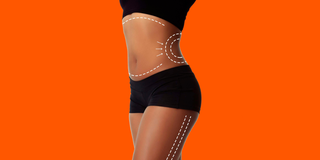
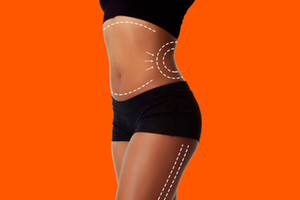
Brazilian butt lift, popularly known as BBL is gaining popularity in Kenya.
"During pregnancy, the uterus enlarges and remains enlarged for the first few weeks after childbirth. This means that it occupies space beneath the abdominal wall, thus making accurate muscle tightening unreliable. The abdominal muscles are stretched and softened by pregnancy hormones, so their long-term resting position is unpredictable at delivery."
"The skin is maximally stretched and oedematous (swollen due to excess fluid trapped within it) during pregnancy and immediately after childbirth. This increases the risk of wound-healing complications and compromises the surgeon’s ability to make an aesthetic judgment about how much abdominal tissue to remove during the procedure."
However, there are a few rare situations in which combining these procedures may be considered. Dr Kinuthia points to severe abdominal wall hernias and severe rectus diastasis, a widening gap between the left and right abdominal "six-pack" muscles caused by stretching of the connective tissue between them, as examples.
"In these cases, the procedure is usually more limited, focusing only on repairing the hernia or attempting to reconstruct the abdominal wall muscles, rather than a full cosmetic 'tummy tuck,'" he adds.
Additionally, lower immunity levels in the mother around the time of childbirth put her at greater risk of developing a wound infection. In rare cases, the skin of the abdomen may die.
Can a tummy tuck during a C-section affect how the surgical scar heals? “Yes, it increases the tension along the scar line, as well as the amount of trauma to the tissues and the risk of inflammation and delayed healing,” says Dr Kinuthia. "The result is an increased likelihood of raised, widened, or bumpy scars compared with scars from either procedure done alone."
"Development of keloid scars is largely determined by one's individual biology and genetic risk, and as such, it is not influenced by whether the procedures are combined," he adds.
He cautions that painkillers, antibiotics, and clot-preventing drugs, which are commonly used after tummy tuck surgery, may not be suitable for women who are breastfeeding and recovering from childbirth.
Doesn’t save time or money
For women considering this option, Dr Kinuthia stresses that the conversation must happen early, before labour begins. "Have separate consultations with an obstetrician and a board-certified plastic surgeon. Then, have a joint planning session with careful risk assessment."
In his practice, most medical teams still recommend spacing the procedures rather than combining them. "If the procedures are performed together, both the obstetrician and the plastic surgeon should be present, and the patient should be fully aware of the increased risks," he adds.
Both Dr Oindi and Dr Kinuthia agree that recovery often takes many months. Changes in a woman’s body after pregnancy are completely normal.
One of the most persistent misconceptions Dr Kinuthia encounters is the idea that, since the incisions look similar, adding a tummy tuck is simple. "Some people believe that recovery will be faster or that combining surgeries will save time and money. In reality, recovery is often longer and more demanding, and higher complication rates can erase any perceived savings of time or money.”
"It's important to stress that advising against a tummy tuck during a C-section does not mean surgical procedures can never be performed together. Some gynaecological operations, such as some fibroid surgeries, can be safely combined with plastic surgery in select patients,” he says.
Does a tummy tuck affect future pregnancies or C-sections? Yes. For women who may want more children, this is an important consideration," adds Dr Oindi.
Follow our WhatsApp channel for breaking news updates and more stories like this.