Swagger on wheels: Reliving ‘manyanga’ vibes of the ’90s
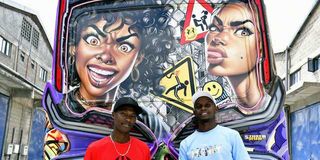
Leonard Kituu (right), the driver and his conductor David Nzeke, the matatu crew of a public service vehicle (PSV) nicknamed Mood

The day “Mood” launched on the streets of Nairobi, a colleague, middle-aged, was driving home.
She heard the shouting before she saw the crowd. Then the roar and honking that thuds in your chest like a heart wanting to pop out of its cage. Young people had gathered. Phones raised. The excitement felt like a concert or a political rally.
It was 10pm, but with the instinctive response of someone who has worked too many years in the Central Business District, where protests just erupt from any corner, she thought it was a demonstration.


Then she saw the matatu. It gleamed. It danced. It was a spectacle on wheels. It was the latest matatu – or nganya, as younger people call it.
Throughout the week, I would hear Gen Zs talk about it. They said stepping into this matatu is like entering a club. It has a DJ, and they even have plans to invite musicians to sing live while the matatu is en route to Embakasi.
Just like many of my age mates, the old part of us, the one with a handbag full of receipts, tiny notebooks, leaking pens, a novel or Bible to read in traffic, and a love for silence in matatus because we want to sit near the window and count the jacaranda trees without interruption, wondered what all the fuss was about.
It’s just a matatu.
But the deeper part, the one who once waited two hours for ‘‘Immaculate’’, the famed matatu of the 90s on the Buruburu Number 58 route, smiled in recognition.
Because we, too, had our nganyas. Only, we didn’t call them that. We called them manyangas.
[Apologies to the people who grew up in villages with face-me matatus that packed people like livestock – bodies pressed against bodies, the hot breath of strangers on your face, the air thick with sweat – where villagers were yet to befriend toothbrushes.]
For those who lived in Nairobi, ‘‘Immaculate’’ was the matatu. Girls were in love with “Immaculate”, its driver, and its conductor.
It was loved for the songs too. From 4pm to 6pm, girls from Pangani and Ngara high schools would do mzunguko on “Immaculate”, listening to Careless Whisper by George Michael and Nothing’s Gonna Change My Love for You by George Benson – songs that made us dream of boys who wrote letters in full sentences, not emojis that mean ten different things and nothing at all.
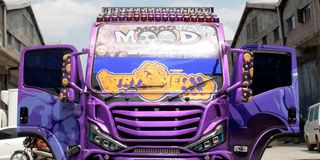
A public service vehicle nicknamed Mood pictured at a garage along Lunga Lunga Road in Nairobi on July 24, 2025.
Boys who stood outside Kenya Cinema with admirable anticipation, because sometimes the girl would come. Sometimes she wouldn’t. But still, they waited.
Boys who turned up their shirt collars, perhaps out of rebellion, but also for the look.
Boys, or rather handsome makangas (conductors), who hung halfway out the door, reserved us space in the front seat.
Mzunguko meant you boarded and rode the whole route, even if our homes were five stops back.
When ‘‘Immaculate’’ grew old, they brought in “Immaculate Heart” and then “Baby Immaculate.” Over time, other manyangas emerged, every year, until “Mood” last week offered the same magic, just in a different era.
Now, the Gen Zs perhaps think they made the nganya culture what it is: bright, loud, and rebellious. But this matatu culture has been passed on quietly, like a cherished Kenyan family recipe.
Eastleigh’s Number 9 had ‘‘Total Madness’’ and ‘‘Baby Coach’’. South B had ‘‘Pinky’’. Kawangware Number 46 had ‘‘Hot Wax’’. You name it.
We waited for hours to ride a manyanga that made us feel seen. We head-danced to DMX’s Ruff Ryders’ Anthem. Ah, the folly of youth.
Some days, when those of us now in our 40s or 50s catch sight of the new nganyas – those nightclubs on wheels – we feel an unspoken ache. Not regret. Just memory.
Because we know that we rode through an era not just of matatus, but of music, of ritual, and of belonging.
Caroline Njung'e's column resumes on August 24