In a perfect world we’d all be happy, all of the time. But in reality every day is full of all sorts of emotions, many of them unpleasant! Especially anxiety. We all hate feeling anxious, but actually it does have some benefits.
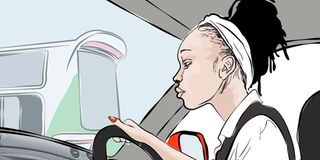
For example, you should feel slightly anxious whenever you’re driving a car. It keeps you alert, aware of your surroundings and potential dangers, and you’ll have learned to manage your anxiety so it doesn’t make you too hesitant.
Which means that the right level of anxiety keeps you safe and improves your performance, even though it’s sometimes uncomfortable. So rather than trying to eliminate it altogether, a better approach is to manage it. Because too much anxiety is definitely debilitating. Perhaps creating intense and persistent worries about ordinary everyday situations. Or unpleasant physical symptoms, like a raised heart rate, rapid breathing, muscle tension, sweating and fatigue.
While living at your optimum level of anxiety helps you to anticipate difficulties, resist impulsive decisions, and to be organised.
A first step in mastering your anxiety is to recognise when your anxiety levels are too high and learning ways to dial them down. For example by taking a few deep breaths, something you can do whatever else you’re doing at the time. Deep breathing activates the parasympathetic nervous system which slows down your heart rate and helps you feel calmer.
Other strategies include light physical activity. Because even just moving around can help lower anxiety to a more manageable level. Realising that your anxiety levels are too high can help you recognise when something isn’t working. For example, warning you that your workload’s too high, and that you should reduce your hours. A lot of the distress that anxiety creates comes from resisting it, so a better approach is to think of it as an alarm, like a smoke detector. And not to ignore it.
Accepting anxiety as a normal part of life can help you face your fears. For example if you’re afraid of something bad happening, start by acknowledging your anxiety and looking at it objectively. Is the worst case scenario really likely to happen? Have you coped well in similar situations before?
Reduce your fear of things going wrong further by making contingency plans, so if you’re worried that you won’t be able to answer questions from managers, anticipate their possible queries and prepare your answers. Or if you’re anxious about arriving late for a meeting, scope out the route there in advance to avoid getting lost.
Welcome new experiences as an opportunity to learn how to manage your anxiety levels. For example, as you learn a new sport, accept that you’ll feel awkward and will make mistakes, and look forward to the feeling of achievement as your skills grow, because as you practice managing your anxiety like this, you’ll become better at anticipating problems and dealing with them. And that’s a sure way to be more successful.