For some women, it begins with a sensation they cannot quite explain. There is a heaviness in the pelvis after a long day on their feet, a feeling of pressure when using the toilet or perhaps a bulge that becomes noticeable when wiping. Because there may be no pain, it is easy to dismiss these changes as a temporary discomfort or simply part of getting older.
But when something feels different around the vagina or anus, it is worth paying attention. Pelvic organ prolapse occurs when the muscles and tissues supporting the pelvic organs weaken, allowing the bladder, uterus, vagina, or rectum to descend from their normal position.
Although it is not usually life-threatening, it can affect a woman’s comfort and quality of life, and many women may not know what is happening until the symptoms become difficult to ignore.
“Prolapse happens mostly in women,” says Pauline Ochieng, a pelvic health and lymphedema physiotherapist at Aga Khan University Hospital.
There are several types of prolapse. Uterine prolapse occurs when the uterus drops from its usual position, while cystocele refers to bladder prolapse. Vaginal vault prolapse can occur after a hysterectomy when the upper part of the vagina drops, while rectal prolapse happens when the rectum slips down towards or through the anus.
“Prolapse occurs when the pelvic muscles and the structures that hold the pelvic organs in place become weak. As a result, the bladder, uterus, vagina or rectum can drop from their original positions,” Ochieng explains. “In some cases, the organ may come down towards or through the vaginal opening.”
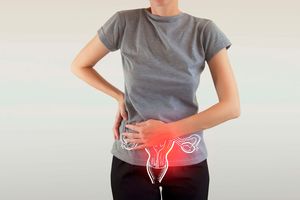
Pelvic organ prolapse is the displacement of organs within the pelvic cavity into the vagina.
Photo credit: Photo I pool
The condition is graded from one to four according to how far the organ has descended, although women in the early stages may not notice or feel anything obvious. For grade one prolapse, treatment can focus on strengthening the pelvic floor and preventing the condition from deteriorating, while women with grade two prolapse may benefit from exercises that can sometimes improve the condition.
“For women with more advanced prolapse, particularly grades three and four, surgery may be required. Physiotherapy can also play an important role before and after surgery by strengthening the pelvic floor muscles and teaching women how to manage pressure on the pelvic floor,” Ochieng says.
Childbirth is among the factors associated with prolapse, while the condition can become more common as women age and go through menopause.
“Women who have had vacuum-assisted deliveries may also be affected, although this does not mean that every woman who has had such a delivery will develop prolapse.”
Ageing can also affect the tissues and muscles that support the pelvic organs. As oestrogen levels decline during menopause, these structures may become weaker, increasing the likelihood of prolapse. Having undergone a hysterectomy and being overweight can also contribute to the condition.
“As oestrogen levels fall, the muscles and the structures that help hold the pelvic organs in place can become weaker,” Ochieng says.
One of the most noticeable symptoms is a feeling that something is coming down or bulging from the vagina.
“You will feel something bulging out,” Ochieng explains, particularly when going to the washroom or wiping yourself.
“It is not painful,” Ochieng says. “A woman can live with the condition for a long time because the absence of pain may make it seem as though there is no reason to seek medical attention.”
Treatment depends on the severity of the prolapse and the symptoms a woman is experiencing. In some cases, a doctor may recommend a vaginal pessary, a device inserted into the vagina to support the affected organ and keep it in position.
“As much as you have the pessary, you still do the Kegel exercise to make the pelvic floor strong,” Ochieng says, adding that a weak pelvic floor can cause the pessary to come out.
“A woman may still be able to hold her urine normally even when the structures supporting the bladder have become weak,” Ochieng says.
While pelvic organ prolapse affects women globally, those in developing countries bear the brunt of the impact due to the taboo nature of discussing vaginal health.
Photo credit: Photo I Pool
For some women, however, the challenge extends beyond the physical symptoms. Embarrassment can make it difficult to discuss changes around the vagina or anus, while a lack of information can leave women uncertain about whether their symptoms require medical attention. Ochieng says some people may even believe that prolapse is caused by witchcraft, which can further discourage women from seeking care.
“For a woman who notices heaviness, a bulge or something that does not feel normal around the vagina or anus, seeking medical attention can be an important first step,” she says. “Prolapse may be uncomfortable to discuss, but it is a pelvic health issue that can be assessed and managed.”