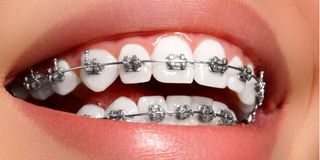
Braces and dental veneers can make it harder to clean teeth properly, allowing food particles to collect in hard-to-reach areas and contribute to bad breath. If not removed, the trapped particles can encourage bacterial growth and, over time, lead to gum inflammation and other oral health problems.
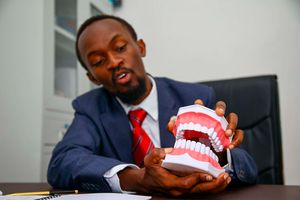
Dr Kennedy Karanja says poorly fitted dental work can create additional spaces where food collects, making it harder to keep the mouth clean.
“With braces, food can collect around the brackets and wires attached to the teeth. If these particles are not removed properly, they remain in the mouth for extended periods, allowing bacteria to break them down and contribute to unpleasant breath,” he says.
The same, he notes, applies to veneers, which are bonded onto the surface of the teeth. “Food can accumulate around the edges where the veneer meets the natural tooth, particularly when the veneer does not fit properly or has rough edges. Such areas can make cleaning difficult, allowing food particles to collect and contribute to bad breath.”
In some cases, the problem may be linked to how the dental work was done. He says that when fitting braces, a dentist uses a special material to attach the brackets to the teeth. “If excess material is left around the brackets, it can create additional areas where food becomes trapped,” he explains. “Similarly, veneers that are poorly fitted or made with surfaces that are not sufficiently smooth can make it harder to keep the teeth clean.”
A growing number of Kenyans are fixing misaligned teeth with braces and discoloured teeth with veneers, which costs up to Sh360,000, and the dentist explains that these do not directly cause bad breath, provided a patient maintains good oral hygiene.
“When food particles remain trapped around the teeth for more than 24 hours, bacteria can begin breaking them down. Over time, harmful bacteria may accumulate on the tooth surfaces, contributing to gum inflammation and gum disease, both of which can worsen bad breath.”
Veneers can also break or chip.
Dr Karanja says patients with braces should brush after every meal, paying particular attention to the areas around the brackets and wires. “A soft toothbrush, used with gentle movements above, around and below the brackets, can help remove trapped food,” he says, adding that a water flosser may help clean areas that are difficult to reach.
“Patients with veneers should similarly brush gently along the edges where the veneers meet the natural teeth and floss carefully. Being too aggressive when flossing could interfere with the bond between the veneer and the tooth.”
He notes that the tongue, gum line, and roof of the mouth also deserve attention. Brushing the teeth alone may not be enough if these areas are neglected. Food particles can accumulate on the tongue, in particular, contributing to unpleasant breath.
Dr Karanja recommends placing the toothbrush at a 45-degree angle to the gum line, using circular movements before sweeping away from the gum to remove food particles and help keep the gums healthy.
Diet also matters. “Sticky foods are more likely to collect around braces, while sugary foods encourage the growth of harmful bacteria. Very hard foods can loosen brackets, creating additional spaces where food can become trapped,” he says.
Crunchy fruits, such as apples, can be cut into smaller pieces to make them easier to eat without damaging the braces.
Yet not every case of bad breath in someone with veneers or braces originates in the mouth. Dr Karanja says the smell may also be associated with throat infections, tonsillitis, nasal infections, lung infections, or gastrointestinal problems. Certain medications, including antihistamines and anticholinergics, can reduce saliva production, making the problem worse.
“Saliva plays an important role in keeping the mouth clean. It helps wash away food particles, reduces acidity, and provides protection against harmful bacteria. When its production decreases, the mouth loses some of these natural defences.”
He shares that garlic, onions and some spicy foods can produce an unpleasant odour. This differs from persistent bad breath, which may remain even after brushing and using mouthwash.
“Morning breath is common and usually improves after brushing, eating breakfast or otherwise cleaning the mouth. The concern arises when the smell persists throughout the day despite regular oral hygiene. That may indicate an underlying problem that needs attention,” Dr Karanja says.
Other warning signs include bleeding gums, pain around the teeth, cavities, swelling around the gums or mouth, sores, an unpleasant taste or discharge in the mouth. Loose teeth, fillings or crowns may also point to a deeper dental problem.
Although home remedies such as hydrogen peroxide may have some effect on bacteria, Dr Karanja cautions against relying on them without identifying the cause.
“Professional cleaning can help remove accumulated deposits, but persistent bad breath still requires assessment by a dentist to establish its cause.”
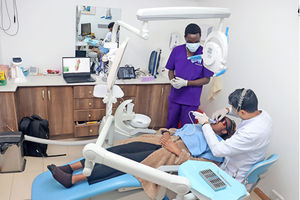
For people with veneers, he notes routine reviews are generally recommended every six months, unless a problem requires an earlier visit. “The dentist checks whether the edges remain properly sealed and examines the veneers for rough areas, cracks or chips where food might collect,” he says. “Patients with braces usually require more frequent reviews, often every four to six weeks, to assess oral hygiene, check for trapped food and examine the braces.”
He adds that during the checkup, it is also very important for the dentist to check the gums because they, too, are affected by poor oral hygiene.