In the United States of America, citizenship by birth is coveted because it is the strongest form of nationality there, with lower chances of being cancelled.
Washington has issued a stern warning to foreign nationals, most of them Africans, against travelling to the United States with the intention of giving birth to obtain American citizenship for their children — a practice commonly referred to as “birth tourism.”
A new policy, a strong warning
That policy has cascaded down to embassies where thorough background checks will follow. The move is part of the Trump administration’s broader efforts to tighten immigration policies and restrict pathways to US citizenship that it deems exploitative.
In a statement, the State Department emphasised that travelling to the US primarily for the purpose of giving birth to secure citizenship for a child does not qualify as a legitimate reason for obtaining a visa. The new guidance allows consular officers to deny visas if they suspect the primary purpose of a trip is to give birth in the US.
This policy came after what officials describe as a growing industry that profits from arranging such travel, particularly among wealthier families from countries like China, Russia, Nigeria and sometimes Kenya.
The revocation of visas is seen as a direct threat to academic freedom and free speech on US campuses.
Photo credit: Pool | Nation
Critics argue that the measure unfairly targets pregnant women and could lead to discriminatory practices during the visa interview process. Supporters, however, say it’s a necessary step to close loopholes in the immigration system. The US remains one of the few developed nations that grants automatic citizenship to nearly all children born on its soil, a constitutional right under the 14th Amendment.
The announcement signals a tightening of visa regulations under President Donald Trump's administration, affecting foreign nationals, including Kenyan citizens. The State Department stated on August 29 that consular officers will deny visa applications if they suspect the applicant intends to secure US citizenship for their new-born.
“Reminder, using your US visa to travel for the primary purpose of giving birth in the United States so that your child will have US citizenship is not permitted,” the US government warned.
“Consular officers will deny your visa application if they have reason to believe this is your intent.”
This policy targets what officials describe as the misuse of tourist visas for maternity-related travel. Concerns have grown over foreign nationals allegedly exploiting the US birth right citizenship provision by entering the country on temporary visas to deliver children.
US officials argue that using a visa for this purpose contravenes the intended use of non-immigrant travel documents and undermines immigration integrity, even though the practice is not explicitly illegal.
These changes are part of broader reforms aimed at curbing visa overstays and tightening entry conditions. On August 27, the Department of Homeland Security proposed shortening the duration of stay for certain visa categories, including those issued to international students and foreign journalists.
“For too long, the past administration has allowed students and other visa holders to remain in the US virtually indefinitely, posing risks, costing taxpayers told amounts to taxpayers and devastating US citizens,” Homeland Security reported.
“This rule reflects a better policy, as birth tourism poses risks to national security,” the State Department said. “The birth tourism industry is also rife with criminal activity, including international criminal schemes, as reflected in federal prosecutions of individuals and entities involved in that industry.”
A broader immigration crackdown
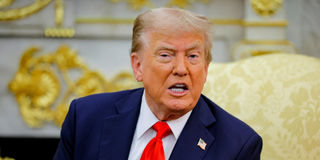
Donald Trump delivers remarks on border security and immigration, in Austin, Texas, US, October 25, 2024.
Photo credit: Reuters
Officials said that national security risks and economic burdens justify these changes, claiming previous administrations had lax enforcement which allowed visa holders to remain in the country for extended periods. The Trump administration is placing increased emphasis on immigration control and administrative scrutiny, with these policy changes extending beyond US borders.
State Department officials said that consular officers have been instructed not to ask every female visa applicant whether she intends to give birth in the US. But if, for example, a visa applicant lists her purpose for travel as “medical reasons,” she will be asked, they said. Pregnancy tests won’t be part of the visa vetting process, they said.
The new policy is the latest step in the Trump administration’s efforts to limit legal immigration to the United States.
Both as a candidate and during his tenure as president, Donald Trump railed against the practice of granting US citizenship to babies born in the US to non-citizen parents.
“You can’t come into the country, you’re illegal, you come down, you sit down, you have your baby, and we take care of the baby for the next 85 years,” Trump said at the Orlando Sunshine Summit in November 2015.
“The birth right citizenship, the anchor baby ... it’s over, not going to happen,” he added later in the speech.
The State Department said that it’s difficult to measure precisely how many children are born to women on visitor visas, but estimated the number is in the “thousands.”
Foreigners who wish to give birth at US medical facilities may also be denied entry unless they can establish that the birth requires “specialised medical treatment,” according to the rule.
The US embassy in Nairobi recently introduced new requirements for Kenyan visa applicants, mandating the disclosure of all social media handles used over the past five years. This measure, applied to those completing the DS-160 form for temporary travel, is part of a global effort to enhance vetting procedures and assess applicants' digital activity.