A Kenyan-born man is facing forgery charges in Nebraska, United States, over allegations that he used stolen identities to enrol unsuspecting Americans in online colleges, allegedly collecting about Sh2.56 million ($20,397) in student aid cheques. He is accused of working with family members in Kenya to run the scheme.
Francis Smith Mogambi, a Lincoln resident, faces a second-degree forgery charge, a Class 2A felony, following a police investigation into the alleged scheme involving multiple American colleges and universities.
According to an arrest affidavit, Mogambi allegedly worked with family members in Kenya to steal the identities of US citizens, enrol them in online institutions without their knowledge and obtain federal student aid in their names. Part of the proceeds was allegedly sent to Kenya.
The investigation began in April when the Lincoln Police Department (LPD) was called to the University of Nebraska-Lincoln Student Union over a report of suspected fraud.
A witness familiar with the alleged scheme told investigators that Mogambi had reportedly been receiving financial aid cheques issued in the names of students fraudulently enrolled in online colleges.
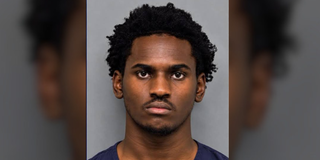
Francis Smith Mogambi.
Photo credit: Pool
The witness told police he became aware of the alleged scheme after Mogambi attempted to recruit him, offering to pay him Sh259,000 ($2,000) a week to participate.
Investigators subsequently reviewed photographs of cheques and other documents found at Mogambi’s home, including records from Grand Canyon University. Two of the cheques were allegedly addressed to his residence near 27th and Y streets in Lincoln.
According to the affidavit, the cheques bore endorsements directing payment to Mogambi, with signatures that appeared similar. Police later obtained financial records and electronic copies of 10 cheques from several institutions, including Grand Canyon University, American Public University, Colorado Technical University, Ultimate Medical Academy and Chemeketa Community College.
“The cheques were drawn on behalf of different purported students, but they all carried endorsements payable to Francis Smith Mogambi in what appeared to be the same handwriting,” police said in the affidavit.
Investigators also found that the signatures on the cheques appeared to have been made by the same person.
College records reviewed by police alleged that applications had been made for the maximum amounts of federal student loans, which were subsequently disbursed to the purported students.
The alleged fraud came to light for some victims only after the loans appeared on their credit records.
In April, the Lincoln Police Department was called to the University of Nebraska-Lincoln Student Union on a report of a belated fraud.
On July 10, investigators spoke to a victim from Wisconsin, who said he discovered he had been enrolled at Colorado Technical University after a student loan appeared on his credit report. He told police he had never enrolled at the institution and was unaware of any financial aid cheques issued in his name.
Other alleged victims similarly told investigators they had not applied for student loans, did not know they had been enrolled in colleges and had never authorised Mogambi to cash cheques on their behalf.
To establish the extent of the alleged fraud, LPD subpoenaed Mogambi’s account records from Bank of America, Wells Fargo, US Bank and Chase Bank.
Police said the total value of forged cheques they had established as having been cashed by Mogambi was about Sh2.56 million ($20,397).
Investigators said they attempted to interview Mogambi about the allegations, but he declined to meet with them.
Identity theft in the context of student aid fraud typically involves acquiring personal information to apply for loans or grants, often without the knowledge of the individuals whose identities have been compromised.
Such activities can have long-lasting impacts on victims, affecting their credit scores, financial stability, and ability to secure legitimate aid.
Authorities in Nebraska are urging individuals who suspect they may be victims of identity theft to report their concerns to law enforcement promptly. Educational institutions are also advised to implement stringent verification processes to safeguard against such fraudulent activities.
The arrest and charges against Mogambi have attracted attention from the Kenyan diaspora community, as issues of identity and financial integrity continue to resonate among immigrants and expatriates living abroad.
While the legal proceedings are set to unfold in Nebraska's courts, the case serves as a critical reminder of the importance of ensuring the security of identity information in an increasingly digital age.
Under Nebraska law, a Class 2A felony carries significant penalties, including potential imprisonment and fines. The legal proceedings against Mogambi are ongoing, and he remains presumed innocent unless proven guilty in a court of law.