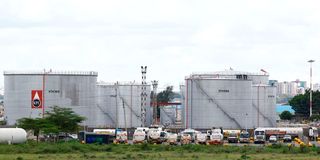
Two oil tankers carrying petroleum products destined for Kenya have been immobilised by drone strikes in the Strait of Hormuz, disrupting deliveries amid rising tensions in the Middle East.
The Ministry of Energy and the Energy and Petroleum Regulatory Authority (Epra) separately informed MPs that the vessels had been hit, raising concerns over the security of Kenya’s fuel supply as pump prices continue to rise.
Epra Director-General Edward Kinyua told the National Assembly’s Special Funds Accounts Committee that the attacks occurred amid escalating tensions between Iran and Saudi Arabia.
“There has been escalating tension between Iran and Saudi Arabia and, as a result, two vessels destined for Kenya were hit by drones. Saudi Arabia vessels are being targeted and, in the process, two ships laden with petroleum products destined for Kenya were targeted. Their engines were immobilised,” Mr Kinyua told the committee.
Mr Kinyua who appeared before the committee chaired by Migori Woman Rep Fatuma Mohammed said the petroleum products aboard the vessels had not been destroyed.
However, transferring the cargo to other vessels would take time, potentially delaying deliveries.
“The drone strike hit the engines of the vessel ferrying fuel to Kenya. Our products are safe, but it takes about 60 days to transfer fuel from immobilised oil tankers to a new one,” Mr Kinyua said.
He reiterated that the government was relying on its Government-to-Government (G-to-G) fuel supply arrangement with Saudi Arabia to safeguard supplies.
“We have made sure that the security of supply is guaranteed through the G-to-G arrangement with our Saudi Arabia oil suppliers. We hope the rising tensions between Iran and Saudi Arabia, which largely target oil vessels, will end. Two vessels laden with our oil supply were targeted and immobilised,” he said.
Mr Kinyua appeared before the committee barely a day after Epra announced increases in pump prices effective October 15 to November 14, 2026. Super petrol rose by Sh12.3 per litre, diesel by Sh9.90 and kerosene by Sh28.49.
The latest fuel-price review followed the withdrawal of the kerosene subsidy, which had helped keep the product significantly cheaper than diesel.
The decision narrowed the price gap between kerosene and diesel to Sh7.89 per litre, down from a high of Sh90.14, reducing the financial incentive for rogue dealers to use subsidised kerosene to adulterated diesel.
Kerosene recorded the steepest increase in the latest monthly pricing cycle after the State withdrew the subsidy for the first time since August 2025. The price of kerosene rose by Sh28.49 per litre, while diesel and petrol increased by Sh9.90 and Sh12.33, respectively.
For years, kerosene received a larger subsidy than petrol and diesel, making it substantially cheaper and creating an incentive for unscrupulous dealers to mix it with diesel to increase their profit margins.
Fuel adulteration damages vehicle engines, farm machinery and industrial equipment, exposing motorists, farmers and manufacturers to costly repairs and losses. It also contributes to higher air pollution.
Mr Kinyua said kerosene would have been at least Sh30 cheaper per litre than diesel had the government retained the subsidy.
In Nairobi, a litre of kerosene is retailing at Sh219.87, compared with Sh227.76 for diesel in the pricing period ending November 14.
The regulator says the narrower price gap has reduced the financial incentive for dealers to adulterate diesel with kerosene.
The price difference reached a record Sh90.14 per litre in the month to June 14 this year, when the government subsidised kerosene by as much as Sh91.29 per litre.
Oil marketers had warned that the large price differential was encouraging fuel adulteration, in which dealers mix cheaper kerosene with diesel to increase the volume available for sale. The practice is particularly common between the two products because of similarities in their physical properties, including density.
Fuel adulteration was rampant before 2018, when unscrupulous dealers took advantage of wide price differences between kerosene and diesel. The government responded by introducing an anti-adulteration levy of Sh18 per litre of kerosene.