Removal of the fuel subsidy has reduced the price gap between kerosene and diesel to Sh7.89 per litre from a high of Sh90.14, a shift that is set to deter adulteration of fuel and protect motorists, farm machinery and industries.
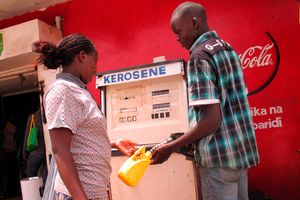
Kerosene has, over the years, received the steepest subsidy compared to diesel and petrol, making it significantly cheaper and attracting rogue dealers to adulterate fuel in a bid to increase their returns from selling diesel.
But in the latest monthly cycle, the State has withdrawn the subsidy for the first time since August 2025, triggering a Sh28.49 rise in the price of the product, the steepest rise of the three fuels in the latest monthly cycle to November 14.
The cost of diesel and petrol rose by Sh9.90 and Sh12.33 per litre, respectively, in the current pricing cycle that lapses on November 14.
Adulteration damages motor vehicle engines, farm machinery and industrial equipment that run on diesel, exposing businesses, farmers and manufacturers to huge losses. Adulterated fuel also leads to higher levels of air pollution.
The price gap was at a record high in the month to June 14 this year when a litre of kerosene was Sh90.14 cheaper than that of diesel after the State subsidised kerosene by the highest rate of Sh91.29.
Edward Kinyua, the Director General of the Energy and Petroleum Regulatory Authority (Epra) said a litre of kerosene would have been at least Sh30 cheaper than diesel had the State subsidised kerosene.
A litre of kerosene is retailing at Sh219.87 in Nairobi compared to Sh227.76 for diesel in the month to November 14, with the energy regulator saying the reduced price gap has denied rogue dealers the financial incentive to adulterate diesel.
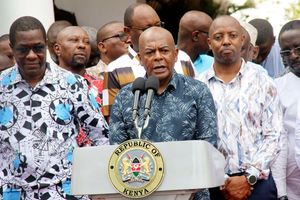
“What we have done today is to reflect the actual price for the three products. If we had subsidised kerosene and kept it at Sh190 per litre, the price differential would have been Sh30, and that is a huge incentive for anyone to adulterate fuel,” Mr Kinyua said on Wednesday.
“We are alive to this problem, we are aware that crooks keep evolving and we do not want to give them reasons to try and beat our system.”
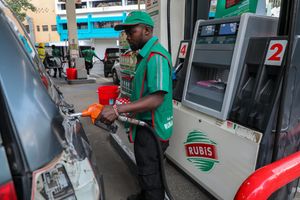
Fuel attendant holding a fuel pump at the filling station.
Photo credit: File | Nation Media Group
Subsidy on kerosene has ranged from Sh0.89 to Sh91.29 per litre since last year as the State heavily cushioned poor households in the wake of the Middle East conflict that drove global prices of refined fuel to record highs in over a decade.
Oil marketers had raised concerns of increased adulteration of fuel by rogue dealers as a steep subsidy on kerosene led to huge price differentials in the cost of diesel and kerosene, offering an incentive to adulterate fuel.
Adulteration is the use of kerosene to inflate the volumes of other fuel, mainly diesel, leading to bigger profits for rogue dealers. Adulteration mainly occurs between diesel and kerosene due closeness in their properties, such as densities.
Fuel adulteration was rampant before 2018 as unscrupulous dealers capitalised on the big gaps in the price of kerosene and diesel, prompting the State to introduce an anti-adulteration levy of Sh18 per litre of kerosene.
Oil marketers say that the levy, which triggered a significant rise in the price of kerosene, suppressed demand as it was no longer incentivising to adulterate fuel.
Consumption of kerosene is significantly low compared to diesel and petrol, making it the cheapest to subsidise.
Kerosene usage is estimated at an average of 4.87 million litres a month, compared to diesel and petrol, whose average per month is 252.9 million litres and 200.6 million litres, respectively.