Hello

Your subscription is almost coming to an end. Don’t miss out on the great content on Nation.Africa

Ready to continue your informative journey with us?

Hello

Your premium access has ended, but the best of Nation.Africa is still within reach. Renew now to unlock exclusive stories and in-depth features.

Reclaim your full access. Click below to renew.

Agnes Mercy Wahome
Caption for the landscape image:

Form Four leavers to know varsity placement fate on Wednesday

Scroll down to read the article

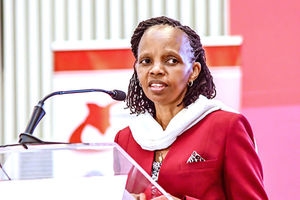
Ms Agnes Mercy Wahome, the CEO of the Kenya Universities and Colleges Central Placement Service (KUCCPS).

Photo credit: File | Nation Media Group

More than 980,000 Form Four leavers who qualified for placement will on Wednesday, July 8, know the institutions they have been admitted to.

The Kenya Universities and Colleges Central Placement Service (KUCCPS) is expected to release the 2026 placement results tomorrow.

The announcement is expected to be made by Education Cabinet Secretary Julius Ogamba and will end months of anxious waiting for the students who sat the 2025 Kenya Certificate of Secondary Education (KCSE) examination.

Julius Ogamba

Education CS Julius Ogamba.

Photo credit: Boniface Mwangi | Nation Media Group

The students will pursue degrees, diplomas, certificates, and artisan courses, depending on their qualifications, selected courses, as well as the capacities of the various institutions.

To access the placement results, students will be required to log into the KUCCPS portal using their KCSE index number to confirm the institutions and courses they have been assigned. Universities and colleges are then expected to issue admission letters and joining instructions.

This year’s placement comes against the backdrop of growing concerns over access to higher education funding, with thousands of students expected to seek government scholarships and loans immediately after receiving their offers for admission.

Data from the Kenya National Examinations Council (Knec) shows 268,700 candidates attained the minimum mean grade of C+ required for admission to degree programmes. Successful applicants for degree programmes will join universities between August and September, when the academic calendars of universities begin. Technical and vocational education and training (TVET) admissions will be according to the reporting schedules of individual institutions.

This year’s placement will see a larger (by 24,137 students) university-bound cohort compared to last year. A total of 244,563 candidates attained the minimum university entry grade of C+ in the 2024 KCSE examination.

KUCCPS had 322,396 degree slots available in 43 public and 31 private universities, meaning every candidate who qualified for university admission can secure a place. TVET institutions declared capacity for 1,132,531 trainees, while secondary teacher training colleges have room for 2,480 students.

“As required by the Universities Act, 2012, placement of students into the institutions will be on merit, considering applicants’ listed priorities, KCSE performance and available capacities,” said KUCCPS.

The rise in numbers means universities will admit their biggest first-year class in years, even as concerns persist over the government’s ability to adequately fund higher education.

Although the government increased funding in the 2026/27 Budget, questions linger over the adequacy of the allocations to support the growing number of students joining universities and TVET institutions.

In the 2026/2027 financial year budget estimates, the Higher Education Loans Board (Helb) has been allocated Sh56.3 billion, against a requirement of Sh112.1 billion to support an estimated 1.38 million students, leaving a funding gap of Sh55.8 billion. The allocation translates to about Sh40,694 per student, compared to an estimated requirement of Sh81,020, leaving an average funding gap of Sh40,327 for every beneficiary.

The budget estimates further show that Helb and the Universities Fund face a combined financing shortfall of more than Sh72 billion, raising fears that hundreds of thousands of students could be hit with inadequate loans and scholarships.

The applications for scholarships and loans is an anxious process for students from poor backgrounds, especially since the introduction of the current higher education funding model in 2023. Demand for student financing continues to outstrip available resources as the number of learners qualifying for higher education rises each year.

Universities are expected to begin issuing admission letters immediately after the release of the placement results. Upon downloading the letters, students will then apply for government scholarships and Helb loans.

Follow our WhatsApp channel for breaking news updates and more stories like this.